
Things to Do in Nerja: A Local's Complete Guide
Things to Do in Nerja: A Local's Complete Guide

By Anna Collins
Updated 3 April 2026
Most visitors to Nerja spend their first morning staring at the Balcón de Europa and wondering why nobody told them about this place sooner. After twelve years on the Costa del Sol, I still think Nerja punches well above its weight. It's small enough to walk everywhere, interesting enough to fill a week, and far enough east along the coast to feel genuinely different from the resort towns closer to Málaga.
Here's everything you need to know before you go.
The Balcón de Europa: Where Every Day Starts
The Balcón de Europa is a wide, palm-lined promenade that juts out above the sea on what was once a military fortress. King Alfonso XII gave it its name in 1885, and the view hasn't changed much since. The sea stretches out in three directions, the mountains rise behind you, and on a clear day you can see the coast of Africa.
It's free to visit and open all hours. Come early in the morning before the tour groups arrive, or at sunset when the light turns the cliffs a deep amber. There are buskers, a handful of cafés, and a small bronze statue of Alfonso XII that everyone seems to photograph from the same angle.
The promenade connects directly to Nerja's old town. If you want to explore the streets, squares, and local bars in more depth, the Nerja Old Town guide covers the Casco Histórico in detail.
The Nerja Caves: More Impressive Than You'd Expect
The Cuevas de Nerja sit about 4 kilometres from the town centre, and they are genuinely extraordinary. Discovered in 1959 by a group of local boys, the caves contain one of the largest stalactite formations in Europe. The main column, known as the Cataclysm Column, is around 32 metres tall.
The caves are also home to cave paintings estimated to be over 40,000 years old, which would make them among the oldest known examples of art anywhere in the world. That's not tourist-brochure exaggeration. It's still being studied. You can read more about the ongoing research via the official Nerja Caves website.
Tickets cost around €12 for adults and €7 for children aged 6 to 12. The caves stay at a constant 18 degrees Celsius inside, so bring a light layer even in August. They're open daily, typically from 9am to 7pm in summer and 10am to 2pm and 4pm to 6:30pm in winter, though I'd always check the official website before you go as hours shift seasonally.
You can get there by bus from Nerja town centre. The Alsa bus towards Almería stops near the caves. A taxi from the centre costs around €8 to €10. If you're driving, parking is free and plentiful.
The caves also host a summer concert series in July, performed on a natural stage inside the largest cavern. Tickets sell out fast and cost around €25 to €40 depending on the act. It's an extraordinary setting for live music.
The full Nerja Caves guide has more detail on tickets, timings, and what to expect inside.
Book tours and activities in Nerja
Nerja's Beaches: What to Know Before You Pick One
Nerja has several beaches, and they're not all the same. Knowing which one suits you saves a lot of walking.
Playa Burriana
This is the main beach and the biggest. It's about 800 metres long, with golden sand and calm water. There are sun loungers for hire at around €6 to €8 per day, several beach bars (chiringuitos), and a handful of restaurants at the eastern end. Ayo's is the most famous of these, known for serving paella cooked in enormous pans over open fires. The rice is good, the portions are enormous, and expect to pay around €12 to €15 per person. It gets very busy in July and August.
Playa Calahonda
Smaller, rockier, and more sheltered than Burriana. It sits just below the Balcón de Europa and you reach it via a steep path cut into the cliff. There are no sun lounger rentals here, which means it attracts people who bring their own towels and want a quieter swim. The snorkelling is decent around the rocks at either end.
Playa Carabeillo and Playa Carabeo
These two small coves are east of the Balcón. They're narrow, shaded for part of the day, and rarely overcrowded. Local families tend to use them. You access both via steep steps from the cliff path above.
For a broader look at the best beaches along the coast, the Best Beaches Costa del Sol guide covers the full picture from Nerja to Estepona.
Eating and Drinking in Nerja
Nerja has a strong food scene for a town its size. The British and Irish expat population means you'll find full English breakfasts without looking hard, but that's not where I'd point you.
For breakfast, head to any of the small cafés on Calle Pintada, the main pedestrian street. A café con leche and a tostada con tomate (toasted bread rubbed with tomato and olive oil) costs around €2.50 to €3.50. That's the local way to start the day.
For lunch, the chiringuitos on Burriana beach are reliable and reasonably priced. Grilled fish, fresh prawns, cold beer. Expect to pay around €10 to €15 per person for a proper meal.
For dinner, the restaurants around Plaza Cavana are worth exploring. El Pulguilla on Calle Almirante Ferrandiz has been serving fresh fish and seafood for decades and is consistently good. A three-course meal with wine costs around €25 to €35 per person. Reservations are sensible in summer.
Avoid anywhere on the Balcón itself for a serious meal. The location is beautiful but the food is generally overpriced and average. Walk two streets back and the quality improves noticeably.
Day Trips from Nerja
Nerja's position at the eastern end of the Costa del Sol makes it a decent base for exploring the region. The town is about 52 kilometres east of Málaga city.
Frigiliana
This is the village directly above Nerja, about 7 kilometres up into the mountains. It's one of the most well-preserved Moorish villages in Andalucía, with whitewashed houses, narrow lanes, and ceramic tiles on the walls telling the history of the area. The views back down to the coast are excellent.
Local buses run from Nerja bus station roughly every hour during the day. The journey takes about 15 minutes and costs around €1.50. Alternatively, a taxi costs around €10 one way. There are a handful of good restaurants in the village, and the local wine is worth trying.
Málaga City
Málaga is an easy day trip from Nerja. The Alsa bus service runs regularly throughout the day from Nerja bus station on Calle San Miguel. The journey takes around 1 hour 15 minutes and costs roughly €5 to €7 each way. The city has the Alcazaba fortress, the Picasso Museum, a great old town, and some of the best restaurants on the coast. The Things to Do in Malaga guide covers the city in full.
Ronda
Further afield but worth the effort, Ronda sits on top of a dramatic gorge about 90 kilometres from Nerja. You'll need to travel via Málaga to get there by public transport, which makes it a full day out. If you're renting a car, the drive through the mountains is excellent. The Ronda Day Trip from Malaga guide has the logistics sorted.
Where to Stay
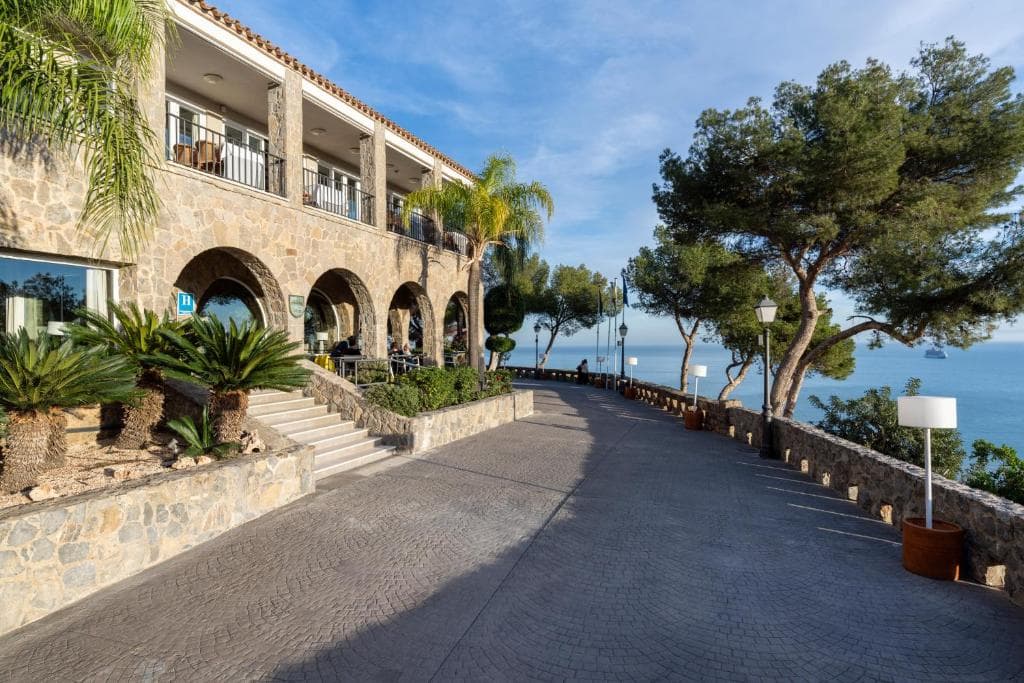
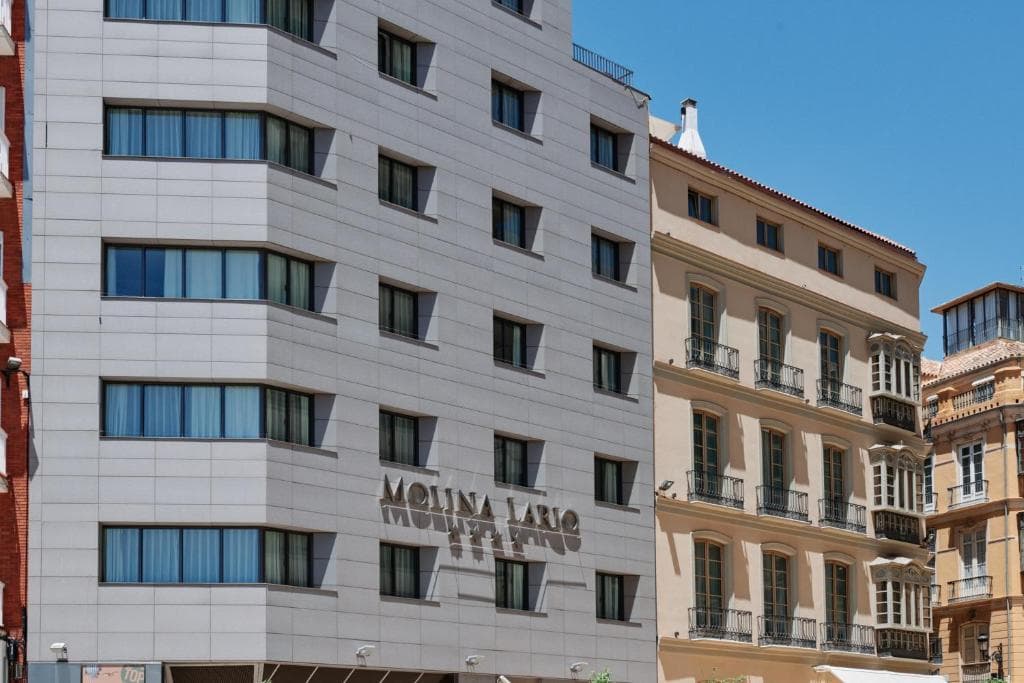
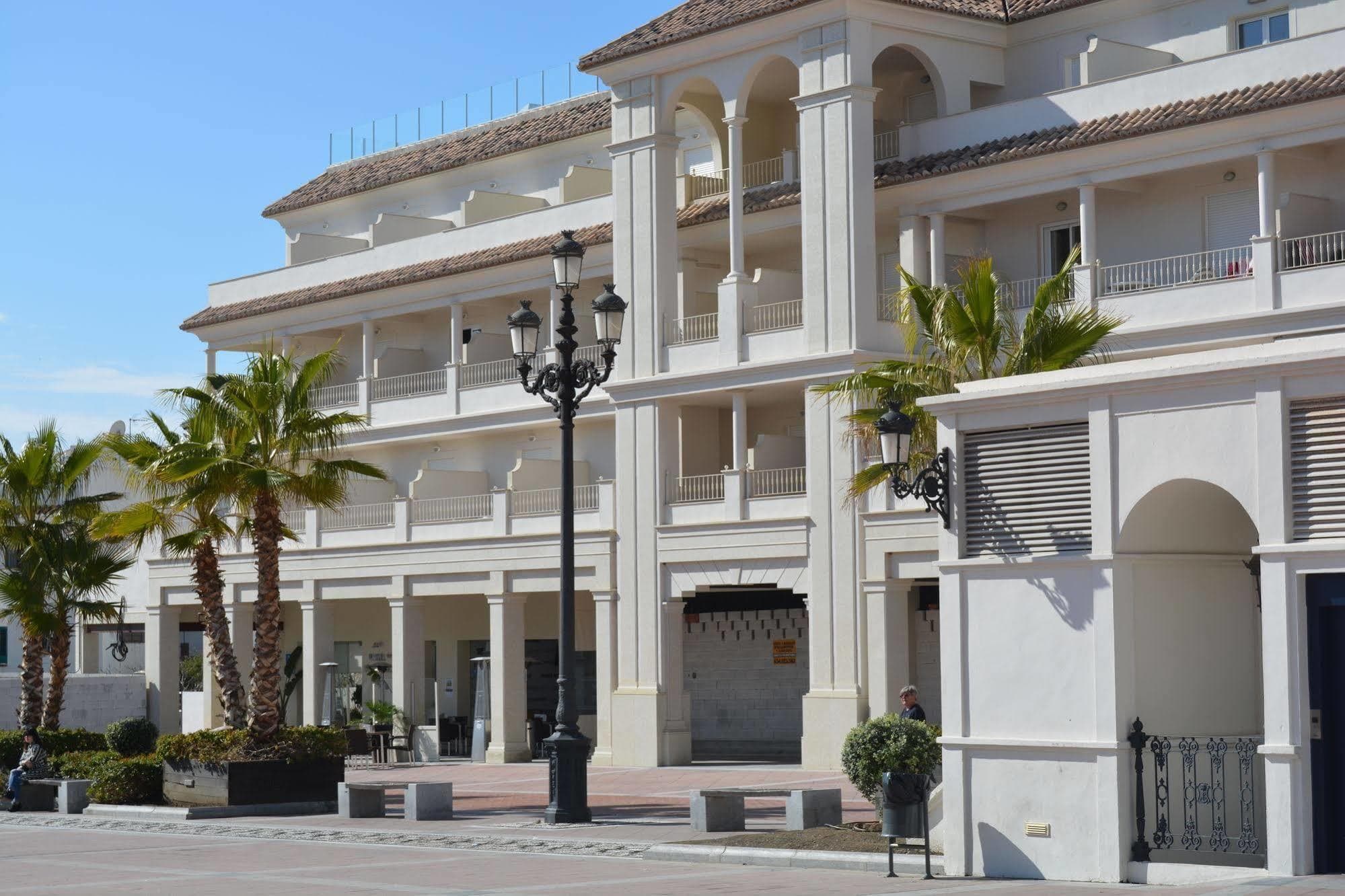
Where to stay in Nerja
For a wider view of what's possible from this part of the coast, the best day trips from Málaga guide covers options across the region. The Junta de Andalucía tourism portal also has useful regional context for planning excursions.
Getting to Nerja and Getting Around
Nerja doesn't have its own airport. The nearest is Málaga Airport (AGP), which is well connected to the UK and Ireland with flights from most major cities. From the airport, you have two realistic options.
The most straightforward is the Alsa bus from Málaga city centre. You'll need to take the train or bus from the airport to Málaga bus station first (the train takes about 12 minutes and costs €1.80), then catch an Alsa service to Nerja from there. The journey to Nerja takes around 1 hour 20 minutes and costs roughly €5 to €7. Buses run regularly throughout the day. You can check timetables and book tickets on the Alsa website.
A taxi from Málaga Airport directly to Nerja costs around €80 to €100 and takes about 50 to 60 minutes depending on traffic. Expensive, but convenient if you're travelling as a group with luggage.
If you're hiring a car, the AP-7 motorway runs the length of the coast and the drive from the airport to Nerja takes about 45 minutes. Parking in Nerja town centre is limited. There's a pay car park near the bus station on Calle San Miguel that costs around €1.50 per hour.
Once you're in Nerja, you don't need a car. The town is small and flat enough to walk everywhere that matters. The beaches, the old town, the Balcón, and the restaurants are all within 15 minutes on foot from the centre.
Best Time to Visit Nerja
Nerja works well for most of the year, but the timing makes a significant difference to your experience.
July and August are the peak months. The town gets very busy, particularly at weekends when Spanish visitors arrive from Granada and Córdoba. Accommodation prices rise sharply, beach space is tight, and restaurant queues are real. That said, the weather is reliably hot and dry, with temperatures regularly hitting 30 to 35 degrees.
June and September are my preferred months. The weather is warm (25 to 30 degrees), the crowds are noticeably thinner, and prices drop by 20 to 30 percent compared to August. September is particularly good: the sea is at its warmest from the summer heat, the light is softer, and the town feels more relaxed.
October to November brings cooler temperatures (18 to 23 degrees) and occasional rain, but the town is quiet and pleasant. Many restaurants and bars stay open year-round in Nerja, unlike some other Costa del Sol resorts that close up from November onwards.
December to February is the quiet season. Some smaller businesses close, but the main restaurants and the caves stay open. Daytime temperatures of 15 to 18 degrees are perfectly comfortable for walking and exploring. It's not beach weather, but it's far from cold.
Practical Tips Before You Go
A few things I wish someone had told me the first time I visited Nerja:
The town gets noticeably quieter after 10am on Sundays, when the weekly market on Calle Antonio Millón finishes. Get there before 9am if you want the best produce and the least chaos.
The cliff path that runs east from the Balcón de Europa towards Playa Carabeo is one of the best short walks in the area. It takes about 20 minutes each way and gives you views that most visitors miss entirely because they don't know it's there.
Book accommodation early for July and August. Nerja has a limited number of hotels and apartments, and the good ones fill up months in advance. The area around Calle Pintada and the streets behind the Balcón puts you within easy walking distance of everything.
The Nerja tourist information office is on Calle Carmen, just off the Balcón. They have free maps, up-to-date event listings, and can help with bus timetables. It's worth stopping in when you arrive.
If you're planning to visit the caves, buy tickets online in advance during peak season. The queues for walk-up tickets in July and August can be an hour long.
Frequently Asked Questions
More in Nerja, Málaga: The Complete Travel Guide to Spain's Jewel

Balcón de Europa Nerja: Complete Visitor Guide
Balcón de Europa, Nerja: Everything You Need to Know Before You Visit
Read more →
Best Hotels in Nerja 2026: Where to Stay & What to Pay
# Best Hotels in Nerja 2026: Where to Stay, What to Pay and What to Avoid
Read more →Hotels in Nerja: Where to Stay, What to Pay & What to Avoid
Hotels in Nerja: Where to Stay, What to Pay, and What to Avoid
Read more →Málaga to Nerja: Every Way to Get There | Travel Guide
Málaga to Nerja: Every Way to Get There and What to Do When You Arrive
Read more →
Nerja Beach: Complete Guide to Every Beach in Nerja
Nerja Beach: Everything You Need to Know Before You Go
Read more →Nerja Old Town: Local Guide to the Casco Histórico
Nerja Old Town: A Local's Honest Guide to the Best of the Casco Histórico
Read more →Nerja Restaurants: Where to Eat, What to Order & Skip
Nerja Restaurants: Where to Eat, What to Order, and What to Skip
Read more →Villa Rentals in Nerja: Prices, Areas & Booking Tips 2025
Villa Rentals in Nerja: What You Actually Get for Your Money
Read more →