
Nerja Beach: Complete Guide to Every Beach in Nerja
Nerja Beach: Everything You Need to Know Before You Go

By Anna Collins
Updated 3 April 2026
Most people arrive in Nerja expecting one beach. They leave wishing they'd had more time to work through the rest of them. The town sits on a stretch of coastline broken up by rocky headlands, which means instead of one long, featureless strip of sand, you get a series of small coves, each with its own character and crowd.
That variety is what keeps people coming back year after year. And it's what makes Nerja genuinely different from the bigger resorts further west along the Costa del Sol.
The Main Beaches in Nerja: What to Expect From Each One
Nerja has around a dozen beaches in and around the town. They range from easy-access sandy stretches to pebble coves that take a bit of effort to reach. Here's an honest breakdown of the ones worth knowing about.
Playa de Burriana
This is the big one. Burriana is the longest beach in Nerja, running to about 800 metres, and it's where you'll find the most facilities. There are sunbed and parasol hire operations along most of the beach (expect to pay around €10 to €12 for a pair of sunbeds plus umbrella), several beach bars, a watersports centre, and a handful of restaurants at the eastern end.
The sand here is a mix of fine and coarse grains with some small pebbles, so it's not the softest underfoot. The water is clear though, and the bay is sheltered enough to be calm most of the time. Burriana gets busy in July and August. If you want a sunbed in peak season, get there before 10am.
The road down from the town centre takes about 15 minutes on foot. There's a small car park at the bottom, but it fills quickly. The Ayo restaurant at the eastern end is famous for its paella, cooked in enormous pans over wood fires on the beach. It's been there since the 1960s and it's the real thing. Budget around €15 to €18 per person for the paella.
Playa de Calahonda
Calahonda is a short walk from the Balcón de Europa, Nerja's famous clifftop promenade. It's smaller and more sheltered than Burriana, tucked between rock formations. The beach is a mix of sand and pebble, and it gets shade earlier in the afternoon because of the cliffs. That can be a blessing in August.
Access is via a path and some steps from the Balcón. It's not suitable for pushchairs or anyone with limited mobility.
Playa de la Torrecilla
This is the most central beach in Nerja, sitting just below the town to the west of the Balcón de Europa. It's popular with families because it's easy to reach and the water tends to be calm. There are sunbed hire facilities and a couple of beach bars. The beach is sandy with some pebbles, and it's not enormous, so it fills up quickly in high season.
Playa del Salon and Playa de la Caletilla
These two small coves sit between Torrecilla and the Balcón. They're reached via steps cut into the cliff face. Both are narrow and can feel cramped in summer, but out of peak season they're genuinely lovely spots. Salon in particular has a good beach bar that does decent fresh fish.
Book tours and activities in Nerja
Getting Down to the Beaches: Practical Access
The beaches in Nerja aren't all equally easy to reach, and this catches some visitors out.
Burriana has the clearest access. From the town centre, follow Calle Burriana south and keep going downhill. It takes about 15 minutes on foot from the Balcón de Europa. There's a local bus (the L-100 line) that runs between the town centre and Burriana in summer, but check the current timetable locally as it changes seasonally. A taxi from the centre will cost around €5 to €7.
For Calahonda, Salon, Caletilla, and Torrecilla, you're on foot via cliff paths and steps. None of these beaches are accessible by car. Wear shoes you're comfortable walking in, especially if you're going down in the morning and coming back up in the midday heat.
Parking in Nerja in summer is a significant headache. There's a pay car park near the Balcón de Europa and some street parking on the outskirts, but if you're driving in from elsewhere on the coast, consider arriving before 9am or after 6pm.
Getting to Nerja from Málaga and the Costa del Sol
Nerja sits about 52 kilometres east of Málaga city, which puts it at the far eastern end of the Costa del Sol. That distance matters for planning.
The easiest option from Málaga is the ALSA coach service from the main bus station on Paseo de los Tilos. Buses run regularly throughout the day, the journey takes around 1 hour 15 minutes, and a single ticket costs around €4 to €5. This is genuinely the best option if you're based in Málaga city.
If you're coming from the airport, you'll need to get to the bus station first (take the Cercanías train from the airport to Málaga Centro-Alameda, then walk or take a taxi to the bus station). The whole journey from the airport to Nerja typically takes around 2 hours when you factor in the connection.
From resorts further west, such as Torremolinos, Fuengirola, or Marbella, there's no direct bus to Nerja. You'd need to go via Málaga. Driving is the practical option from those towns, and the A-7 coastal road takes you straight there. Allow around 1 hour from Fuengirola in normal traffic, and significantly more in July and August.
Our guide to getting from Málaga to Nerja covers all the options in detail, including car hire and organised day trips.
Best Time to Visit Nerja's Beaches
The honest answer is June and September. July and August are when the beaches are at their most crowded, the sunbeds are all taken by 9am, and the restaurants have queues. The weather is also at its most intense, with temperatures regularly hitting 35°C or above.
June gives you warm water (around 22°C), long days, and beaches that aren't yet at capacity. September is arguably even better. The sea is at its warmest (often 24°C or above), the summer crowds have thinned out, and prices drop. The weather stays good well into October.
May is worth considering if you don't mind slightly cooler water. The town is quiet, prices are lower, and the countryside around Nerja is green and lush after the winter rains.
December to February is genuinely mild by northern European standards (daytime temperatures around 16 to 18°C), but swimming is out of the question for most people. The beaches are almost empty, which has its own appeal if you just want to walk and think.
Eating and Drinking Near the Beaches
Nerja has a good food scene for a town of its size (around 22,000 permanent residents). Around the beaches themselves, you've got a range of options.
Where to Stay
Where to stay in Nerja
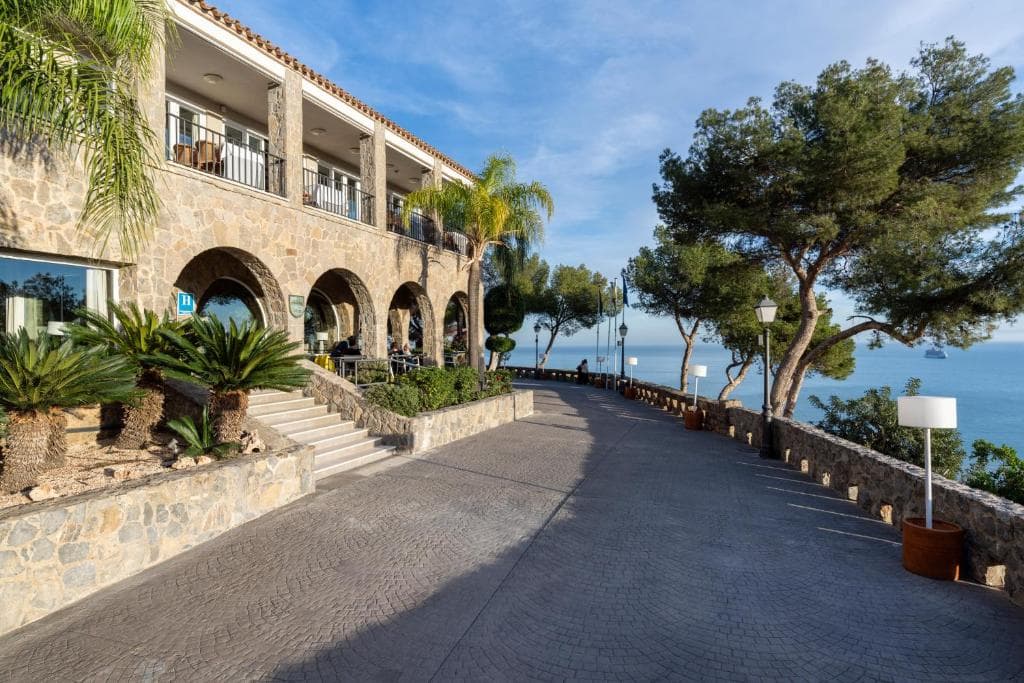

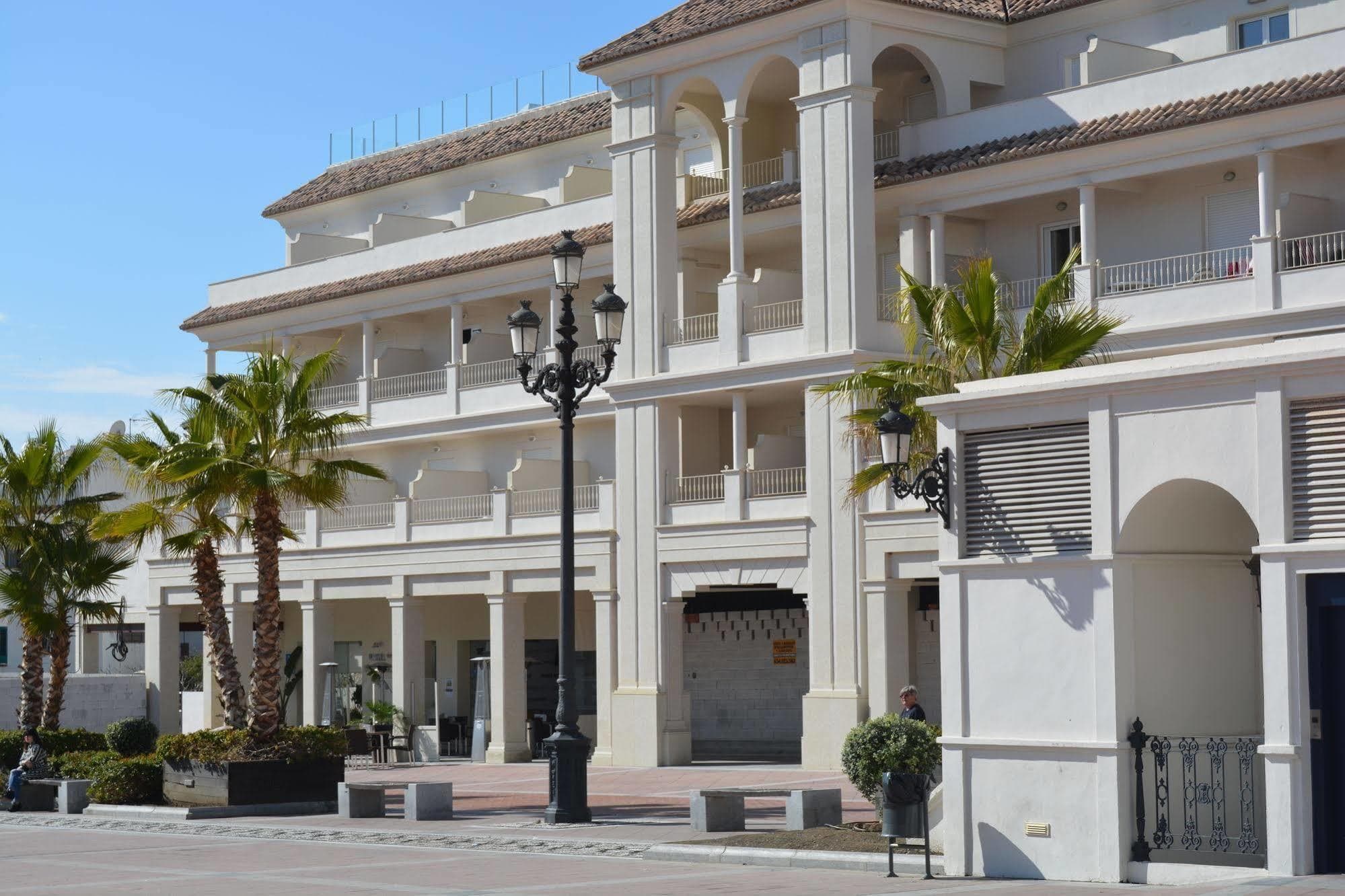
At Burriana, Ayo is the institution. Go for the paella, order a jug of sangria or a cold Cruzcampo, and don't be in a hurry. El Colono, also on Burriana, does excellent fresh fish and has a terrace right on the sand. For something lighter, the chiringuitos (beach bars) along the middle of Burriana do cold drinks, bocadillos, and simple grilled food.
Up in town, Calle Pintada and the streets around it have a good concentration of restaurants. Bar El Molino on Calle San Miguel does a solid menú del día for around €10 to €12 at lunchtime, which is one of the better-value options in town.
If you want to self-cater or grab picnic supplies, the Mercadona supermarket on Avenida de Pescia is the most convenient large supermarket. It's about a 10-minute walk from the town centre.
Beyond the Beach: What Else to Do in Nerja
If you're spending more than a day or two, you'll want to venture beyond the sand. Nerja has a lot going for it.
The Cuevas de Nerja (Nerja Caves) are the most visited attraction in the area. These limestone caves contain some of the oldest cave art in the world, and the main cavern is vast. Entry costs around €12 for adults and €7 for children. The caves are about 3 kilometres from the town centre. They're open year-round, typically from 9am to 4pm in winter and until 7pm in summer, though I'd recommend checking current times before you go as they do vary.
The Balcón de Europa itself is worth more than a quick look. This clifftop terrace was named by King Alfonso XII when he visited in 1884, and on a clear day you can see the mountains of the Rif in Morocco across the Strait of Gibraltar. The views along the coastline east and west are exceptional. You can read more about the history of the area on the official Nerja tourism website.
Nerja Old Town is small but genuinely charming. The streets around Calle Pintada and Plaza Cantarero have a good mix of local shops, tapas bars, and restaurants. It hasn't been entirely taken over by tourism, which is increasingly rare on this coast. Our guide to Nerja goes into more detail on what's worth your time there.
For day trips, the village of Frigiliana is just 8 kilometres away in the hills above Nerja. It's one of the most attractive white villages in Andalucía, and the local winery produces a sweet wine worth trying. A taxi from Nerja to Frigiliana costs around €10 to €12 each way.
Our guide to things to do in Nerja covers all of this in more detail, and if you're planning a wider trip, the best day trips from Málaga page is useful for putting Nerja in context with the rest of the region.
Practical Tips for Visiting Nerja Beach
A few things I'd tell any friend heading there for the first time:
Book accommodation early. Nerja has a limited number of hotel rooms compared to the bigger resorts. In July and August, decent places fill up months in advance. The area around Calle Almirante Ferrandiz is convenient for both the beaches and the town centre.
Bring water shoes if you're sensitive to pebbles. Burriana is manageable in bare feet, but some of the smaller coves are quite stony in the shallows.
The Balcón de Europa gets very crowded at sunset. If you want a good spot, go 30 minutes before the sun goes down and stake out a position on the railings.
Cash is still useful. Many of the beach bars and smaller restaurants in Nerja are cash-only or have unreliable card machines. Keep some euros on you.
The town centre is flat, but the paths to the beaches are steep. If you have any mobility concerns, Burriana is the most accessible option and the only one reachable by road.
Don't underestimate the sun. The UV index in southern Spain in summer is extreme. Factor 50, a hat, and shade breaks are not optional if you burn easily.
Nerja isn't the easiest place to reach from the main Costa del Sol resorts, and it doesn't have the infrastructure of somewhere like Fuengirola or Torremolinos. That's precisely why it still feels like a real place. The beaches are genuinely good, the food is better than average for the coast, and the setting, with those cliffs and coves, is unlike anything you'll find further west. For a broader look at how Nerja compares to other stretches of coastline, the Costa del Sol tourism guide is a useful reference.
Frequently Asked Questions
More in Nerja, Málaga: The Complete Travel Guide to Spain's Jewel

Balcón de Europa Nerja: Complete Visitor Guide
Balcón de Europa, Nerja: Everything You Need to Know Before You Visit
Read more →
Best Hotels in Nerja 2026: Where to Stay & What to Pay
# Best Hotels in Nerja 2026: Where to Stay, What to Pay and What to Avoid
Read more →Hotels in Nerja: Where to Stay, What to Pay & What to Avoid
Hotels in Nerja: Where to Stay, What to Pay, and What to Avoid
Read more →Málaga to Nerja: Every Way to Get There | Travel Guide
Málaga to Nerja: Every Way to Get There and What to Do When You Arrive
Read more →Nerja Old Town: Local Guide to the Casco Histórico
Nerja Old Town: A Local's Honest Guide to the Best of the Casco Histórico
Read more →Nerja Restaurants: Where to Eat, What to Order & Skip
Nerja Restaurants: Where to Eat, What to Order, and What to Skip
Read more →Things to Do in Nerja: A Local's Complete Guide
Things to Do in Nerja: A Local's Complete Guide
Read more →Villa Rentals in Nerja: Prices, Areas & Booking Tips 2025
Villa Rentals in Nerja: What You Actually Get for Your Money
Read more →