
3 Days in Málaga: Ultimate Itinerary & Local Tips
You know, for years, when you mentioned Málaga to folks back home, they'd often just picture the airport, a quick stop before heading off to Torremolinos or Marbella. But trust me, that's not the Málaga I've known for the last 12 years. This city has quietly, confidently, become a proper destination

By Anna Collins
Updated 4 April 2026
You know, for years, when you mentioned Málaga to folks back home, they'd often just picture the airport, a quick stop before heading off to Torremolinos or Marbella. But trust me, that's not the Málaga I've known for the last 12 years. This city has quietly, confidently, become a proper destination in its own right. It's got history, art, great food, and a buzz that's entirely its own. You could easily spend a week here, but if you've got three days, you can absolutely get a real feel for the place.
Day 1: History, Art, and the Old Town's Charm
Your first day should really get you acquainted with Málaga's core. The city centre is mostly pedestrianised, so wear comfy shoes. You'll be doing a lot of walking.
Morning: Ancient Wonders
Start your day at the Alcazaba. It's a Moorish fortress-palace, sitting on a hill right in the city centre. Don't confuse it with the Alhambra in Granada; this one's smaller, more intimate, and you can easily explore it in a couple of hours. The entrance fee is usually around €3.50, or you can get a combined ticket with Gibralfaro Castle for about €5.50. It opens around 9:00 AM, and going early means you beat both the crowds and the heat. Wander through the courtyards, admire the intricate tile work, and enjoy the views over the city and port. You can find more information on the Alcazaba on the official tourism site.
Right below the Alcazaba, you'll find the Roman Theatre. It was only properly uncovered in the 1950s, after being buried for centuries. You can walk around the viewing area for free. It gives you a real sense of the city's ancient past, right alongside the Moorish structures. It's a pretty cool juxtaposition.
From there, take a short stroll to the Málaga Cathedral, often called "La Manquita" (the one-armed lady) because one of its towers was never finished. It's a massive, impressive building. Entry costs about €8 for adults, which includes an audio guide. You can also pay extra, typically €12, to climb to the rooftop for some decent city views. The interior is grand, with high ceilings and beautiful chapels. It's a proper peaceful escape from the street buzz.
Afternoon: Picasso's Hometown
Málaga is Pablo Picasso's birthplace, so a visit to the Picasso Museum Málaga is a must. It's housed in the Palacio de Buenavista, a lovely old building. The collection focuses on his early works and personal items, giving you a good insight into his artistic development. Tickets are generally €12-€14, with concessions available. It's best to book online to skip the queue, especially during peak season. You'll find it on Calle San Agustín, just a stone's throw from the Cathedral. More details can be found on the official Picasso Museum Málaga website.
For lunch, grab some tapas in the Málaga Old Town. Head towards Plaza de la Merced or Calle Granada. Places like El Pimpi are famous, a bit touristy but still charming, with its barrels signed by celebrities. For something a bit more local and less crowded, try Mesón Mariano on Calle Carcer for traditional Malagueño dishes, or Casa Lola on Calle Granada for tasty tapas and a lively atmosphere. Expect to pay around €20-€30 per person for a decent lunch with a drink.
Evening: Stroll and Supper
As the evening draws in, take a walk down Calle Larios, Málaga's main shopping street. It's beautifully lit up, especially at Christmas. It leads down to the Alameda Principal, a wide boulevard.
For dinner, consider exploring the area around Plaza de la Constitución. You'll find plenty of restaurants. If you fancy a proper sit-down meal, Restaurante Alea on Calle Carcer offers modern Spanish cuisine in a stylish setting. For something more casual, explore the side streets off Calle Granada. Keep an eye out for a good `taberna` or `bodega`.
If you're up for it, consider catching a flamenco show. Places like Tablao Alegría near the port or Kelipe Centro de Arte Flamenco offer authentic performances. Prices usually range from €25-€35, often including a drink. It's a great way to experience some Andalusian culture. You can find more details on Flamenco in Málaga if you want to book ahead.
Book tours and activities in Málaga
Day 2: Markets, Modern Art, and Seaside Flavours
Day two takes you from the hustle of a traditional market to modern art, finishing with a relaxed evening by the sea.
Morning: Market Life and Soho Murals
Start your morning at the Mercado Central de Atarazanas. This isn't just a market; it's an experience. The building itself is beautiful, with an impressive iron structure and stained-glass windows depicting Málaga's history. Inside, you'll find stalls piled high with fresh fish, meat, cheeses, fruits, and vegetables. It's open from 8:00 AM to 2:00 PM, Monday to Saturday.
Grab a coffee and a `tostada con tomate` (toast with tomato and olive oil) from one of the small bars inside. You can also sample some fresh seafood tapas at the market bars. Expect to pay around €2-€4 for breakfast and €3-€6 per tapa. It's a genuine taste of local life.
After the market, wander into the Soho district, also known as the Arts District. It's just a short walk south. This area has been revitalised with street art and independent galleries. Take your time to spot the large-scale murals by international artists. It's a really interesting contrast to the ancient parts of the city. You'll find quirky shops and cafes here too.
Afternoon: Art and Port Stroll
For your dose of modern art, head to the Centre Pompidou Málaga. It's easily recognisable by its multi-coloured glass cube entrance at Muelle Uno. It's the first branch of the famous Parisian museum outside France, and it houses a rotating collection of 20th and 21st-century art. Tickets are usually around €9-€10. It's a good way to spend a couple of hours, especially if you appreciate contemporary works.
Alternatively, if you prefer Spanish art, the Carmen Thyssen Museum is another excellent choice. It's located in the Palacio de Villalón, an old palace near the Cathedral. It focuses on 19th-century Spanish painting, particularly Andalusian artists. Entry is typically €10.
After your museum visit, enjoy a leisurely stroll along Muelle Uno, the modern port area. It's a pleasant promenade lined with shops, restaurants, and cafes. You can walk all the way out to the lighthouse, La Farola. It's a great spot to watch the boats and soak up the sea air. You'll also find the Palmeral de las Sorpresas here, a palm-lined walkway with water features.
Evening: Espetos by the Sea
For dinner, you absolutely have to experience `espetos` (sardines grilled on skewers over an open fire). The best place to do this is in the old fishing neighbourhoods of Pedregalejo or El Palo. You can get there easily by bus. Take the number 3 or 11 bus from the Alameda Principal. It's about a 15-20 minute ride.
Along the `paseo marítimo` (promenade) in these areas, you'll find countless `chiringuitos` (beachfront restaurants). Look for the boats filled with sand where they grill the fish. El Balneario Baños del Carmen is a classic spot, a bit further west, with a lovely setting, but it's more about the ambience than just espetos. In Pedregalejo, try El Cabra or Miguelito El Cariñoso for excellent, fresh seafood. Expect to pay around €4-€6 for a skewer of sardines, and €15-€25 for a main fish dish. It's a relaxed, informal dining experience that's very Malagueño.
After dinner, enjoy a drink at one of the beach bars, or simply walk along the shore. It's a different side of Málaga, away from the city centre's historical buzz, and it's where many locals spend their evenings. You're also not far from La Malagueta Beach Malaga if you fancy a quick evening dip.
Day 3: Views, Local Flavours, or a Deep Dive
Your final day offers options depending on your energy levels and interests. You can chase more views, explore a lesser-known neighbourhood, or delve into Málaga's wine culture.
Morning: Castle Views
Start your last morning by heading up to Gibralfaro Castle. It sits above the Alcazaba and offers the most expansive views of Málaga city, the port, and even across the bay on a clear day. You can walk up, but it's a steep climb, especially in warmer weather. A better option is to take the number 35 bus from the Alameda Principal. It drops you right near the castle entrance.
Entry to the castle is around €3.50, or use your combined ticket if you bought one on Day 1. Spend an hour or so walking the battlements and taking in the panorama. It's a fantastic spot for photos. There's also a small interpretation centre inside.
When you're ready to come down, you can walk back towards the city centre, perhaps stopping at the viewpoint just below the castle for another perspective. The path leads you nicely back towards the Alcazaba.
Afternoon: Neighbourhood Exploration or Wine Tasting
For lunch, if you fancy something different, explore the area around Plaza de la Merced again. It's a lively square with plenty of cafes and restaurants. Casa Aranda is good for churros and chocolate, a classic Spanish treat, though you can have them any time of day.
In the afternoon, you have a couple of choices. You could explore the El Perchel neighbourhood, just west of the city centre. It's one of Málaga's oldest working-class districts, known for its traditional taverns and local atmosphere. It's not as polished as the Old Town, but it's authentic. You'll find small, family-run shops and bars here.
Alternatively, if you're interested in local produce, consider a Málaga wine tasting. The region is known for its sweet dessert wines, but they also produce some excellent dry whites and reds. Many bodegas in the city centre offer tastings. Bodega El Pimpi (yes, again, but it's historic) has a dedicated wine bar. Or try Antigua Casa de Guardia on Alameda Principal, one of the oldest taverns in Málaga, where you can sample wines directly from the barrel. Expect to pay €3-€5 per glass for a tasting.
Evening: Farewell Dinner
For your final evening meal, perhaps treat yourself to a slightly more upscale experience, or revisit a favourite spot. If you're looking for something with a bit of a view, some of the hotels in the city centre have rooftop bars and restaurants. The AC Hotel Málaga Palacio has a terrace with great views over the port and Cathedral. Prices will be higher here, expect €40-€60 per person for dinner.
If you prefer something more intimate, try La Deriva on Alameda de Colón for modern Spanish cuisine, or El Mesón de Cervantes near the Picasso Museum for a traditional, cosy atmosphere and excellent fresh produce.
Finish your night with a final stroll through the illuminated Old Town, perhaps enjoying a last `copa` (drink) at a bar in Plaza de la Merced or Calle Granada.
Getting to Málaga & Getting Around
Málaga is incredibly easy to reach and navigate.
Arriving at Málaga Airport (AGP)
Your flight will land at Málaga-Costa del Sol Airport (AGP). It's about 8 kilometres southwest of the city centre.
The easiest and quickest way into the city centre is by Cercanías train (Line C1). The train station is right outside the arrivals terminal. Trains run every 20 minutes from early morning until late evening. The journey to Málaga-Centro Alameda station takes about 12 minutes. A single ticket costs around €1.80. This station is a short walk from Calle Larios and the Old Town.
You can also take the Express Bus (A Line) from the airport. It runs frequently and costs around €4 for a single ticket. It makes several stops in the city, including the bus station and Alameda Principal. The journey takes about 15-25 minutes, depending on traffic.
Taxis are readily available outside the terminal. A ride to the city centre will typically cost €20-€25, depending on the time of day and luggage. Ride-sharing apps like Uber and Cabify also operate in Málaga.
Getting Around the City
Málaga's city centre is very compact and mostly pedestrianised, so you'll do a lot of walking. This is the best way to explore the Old Town, discover its narrow streets, and stumble upon charming plazas.
For longer distances, like getting to Pedregalejo for `espetos` or up to Gibralfaro Castle if you don't fancy the climb, the local bus system is excellent. Buses are modern, air-conditioned, and reliable. A single ticket costs around €1.40 if bought on the bus. You can also buy a `Tarjeta de Transportes` (transport card) for €0.30, load it with money, and journeys become cheaper, around €0.80. You can get these at tobacconists (estancos). You can check routes and times on the EMT Málaga website.
Taxis are plentiful and reasonably priced for shorter journeys. You can flag them down or find them at designated ranks.
When to Visit Málaga
Choosing the right time to visit Málaga can really enhance your trip.
Spring (April-May) and Autumn (September-October) are widely considered the best times. The weather is warm and sunny but not stiflingly hot. Average temperatures hover around 20-25°C. There are fewer crowds than in summer, and you can comfortably explore the city on foot. These months are perfect for sightseeing, enjoying outdoor meals, and even some beach time without the intense heat.
Summer (June-August) is high season. Expect hot weather, with temperatures often exceeding 30°C, sometimes reaching 35°C or more. The city will be busy, especially in August, when many Spanish families take their holidays. If you love the heat and want to spend a lot of time on the beach, summer works. Just be prepared for crowds and higher prices for accommodation. The city has a good beach, La Malagueta Beach Malaga, right near the centre.
Winter (November-March) is mild. Temperatures usually range from 12-18°C during the day. You'll get plenty of sunshine, though there can be some rainy days. It's a great time for cultural visits, museums, and enjoying the local food scene without the tourist rush. Christmas in Málaga is particularly lovely, with spectacular light displays on Calle Larios. Prices for flights and accommodation are generally lower outside of the Christmas period.
My personal pick for a three-day city break is late April/early May or mid-September/early October. The light is beautiful, the air is warm, and you can really enjoy being outdoors.
Where to Eat & Drink
Málaga's food scene is fantastic, from traditional tapas to fresh seafood. You won't go hungry here.
Tapas Bars:
You'll find tapas bars everywhere in the Old Town.
- El Pimpi on Calle Granada is a classic. It's a bit of an institution, with signed wine barrels and a lively atmosphere. It's good for a first-timer's experience.
Where to Stay
Where to stay in Málaga
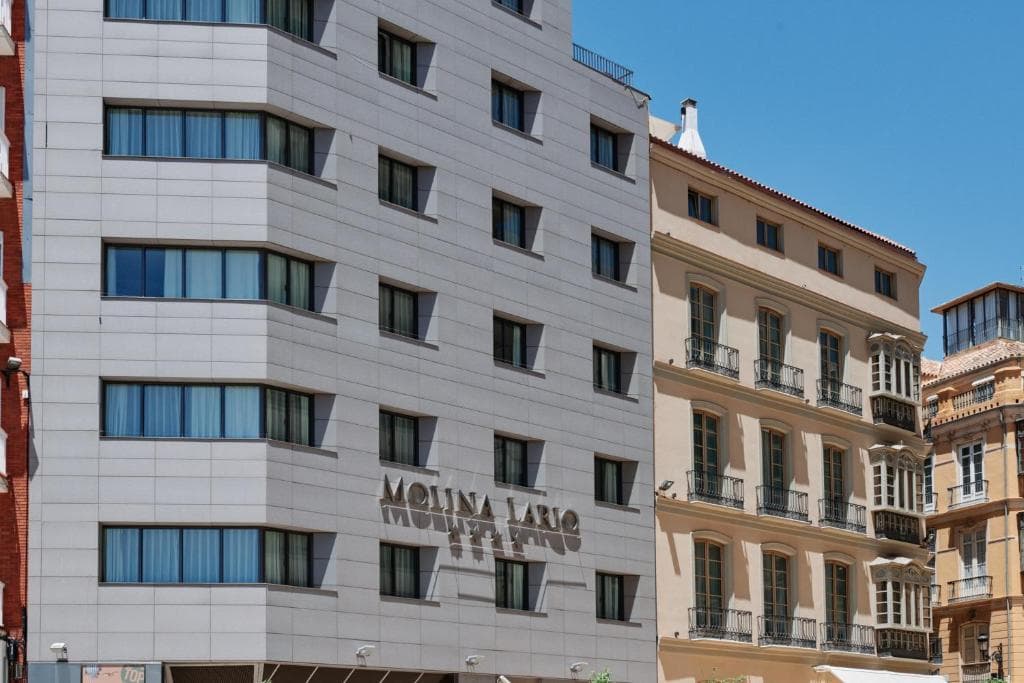
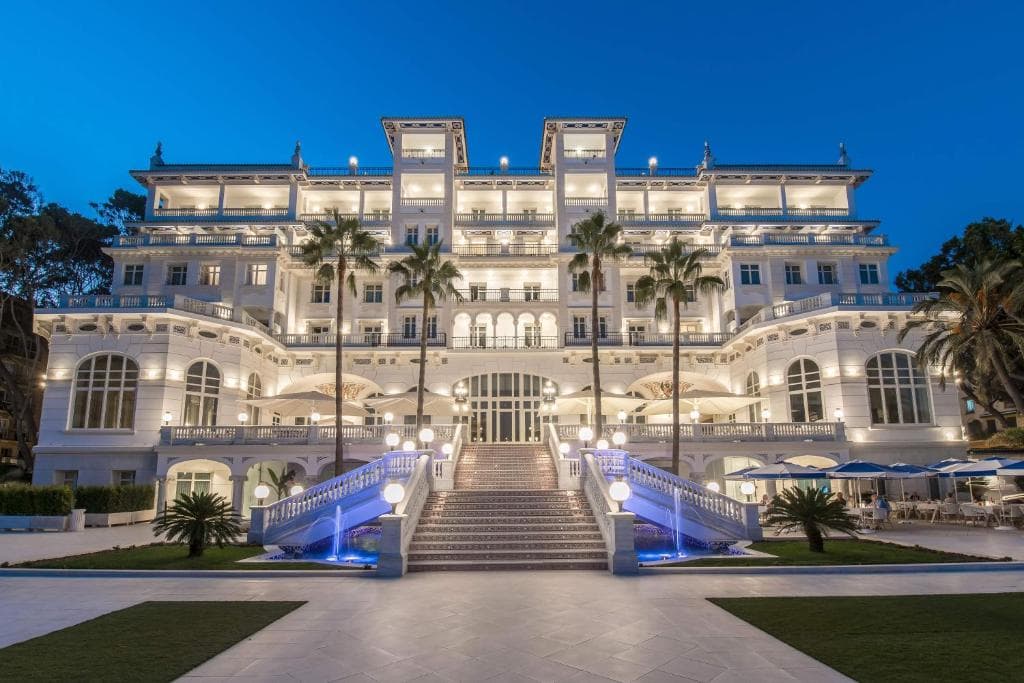
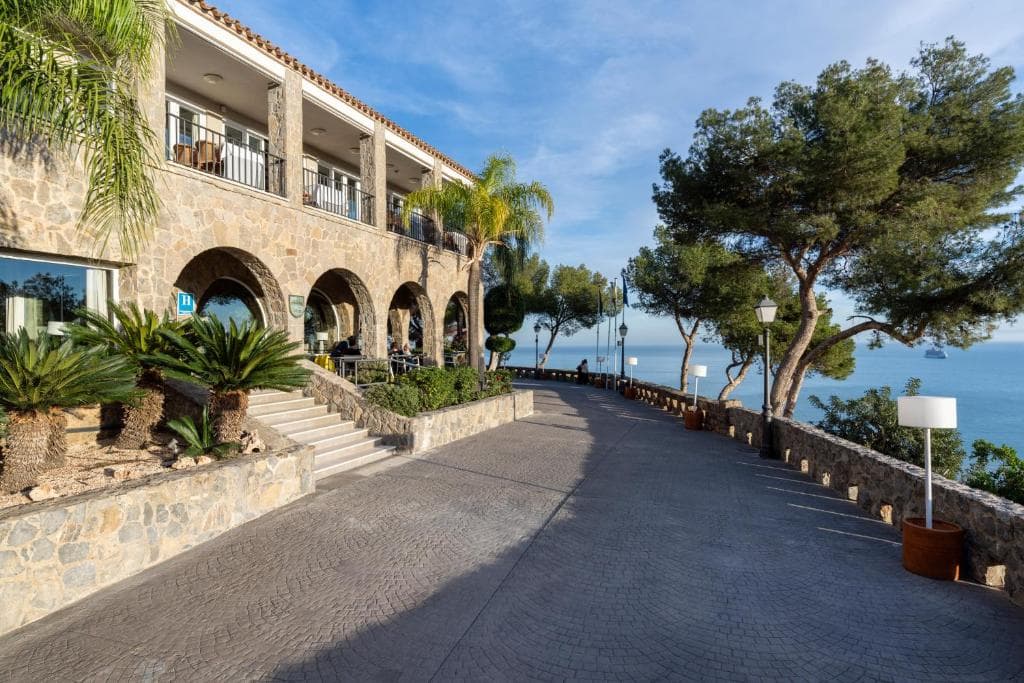
- Casa Lola on Calle Granada is another favourite. It's always busy and serves excellent `raciones` (larger tapas portions). Try their `berenjenas con miel` (fried aubergine with cane honey).
- For something more traditional, try Mesón Mariano on Calle Carcer. They focus on local Malagueño dishes.
- Bar El Rescoldo near the Atarazanas Market is a no-frills spot for fantastic `fritura malagueña` (fried fish platter).
Seafood:
As a coastal city, Málaga excels at seafood.
- As I mentioned, the `chiringuitos` in Pedregalejo and El Palo are the places for `espetos` (grilled sardines). El Cabra and Miguelito El Cariñoso are reliable choices.
- For a broader seafood menu, many places along Muelle Uno or in the city centre will offer fresh catches.
Breakfast & Coffee:
- Start your day like a local with `tostada con tomate y aceite` (toast with tomato and olive oil). Most cafes will serve this.
- For churros, Casa Aranda on Calle Herrería del Rey is legendary. It's been serving them since 1932. Order `churros finos` (thin ones) or `porras` (thicker ones) with a cup of thick hot chocolate.
- Coffee culture is strong. Order a `nube` (cloud) for a very milky coffee, or a `sombra` (shadow) for less milk. Just ask for `un café con leche` if you want a standard latte.
Malaga Wine:
The region is famous for its sweet wines.
- Antigua Casa de Guardia on Alameda Principal is a must-visit. It's an old, standing-room-only bar where wine is served directly from barrels. They also serve some simple tapas.
- Many restaurants will offer a selection of local wines. Ask for `Vino de Málaga`.
Rooftop Bars:
For evening drinks with a view, several hotels have rooftop terraces.
- Terraza de la Alcazaba (at Alcazaba Premium Hotel) offers views of the Alcazaba.
- AC Hotel Málaga Palacio has a great rooftop bar with panoramic views of the port and Cathedral. Drinks are pricier, but the setting is worth it.
Practical Tips for Your Trip
A few pointers to make your Málaga trip go smoothly.
Siesta: While not as strictly observed as it once was, many smaller shops and some restaurants will close between 2:00 PM and 5:00 PM, especially outside the main tourist areas. Larger stores and department stores usually stay open all day. Plan your shopping or specific errands around this.
Booking Attractions: For popular attractions like the Picasso Museum or the Alcazaba, especially during peak season, it's wise to book your tickets online in advance. This saves you time queuing.
Sun Protection: Even outside of summer, the sun in Málaga can be strong. Always carry sunscreen, a hat, and sunglasses. Stay hydrated by drinking plenty of water.
Language: While many people in the tourist industry will speak English, learning a few basic Spanish phrases will go a long way. `Hola` (hello), `Gracias` (thank you), `Por favor` (please), `¿Cuánto cuesta?` (How much does it cost?), and `La cuenta, por favor` (The bill, please) are always appreciated.
Tipping: Tipping in Spain is generally more modest than in the UK or Ireland. For good service in a restaurant, leaving a few euros or rounding up the bill is common, but it's not obligatory to tip 10-15%. For a quick coffee or drink, a few coins are fine.
Safety: Málaga is a safe city, but like any urban area, be aware of your surroundings. Keep an eye on your belongings, especially in crowded tourist spots and on public transport, to avoid pickpocketing.
Water: Tap water is safe to drink in Málaga, but many locals prefer bottled water for taste.
Footwear: As you'll be doing a lot of walking, comfortable shoes are essential. The streets can be uneven in the Old Town.
Opening Hours: Spanish meal times are later than in the UK. Lunch is typically from 2:00 PM to 4:00 PM, and dinner often starts around 8:30 PM or 9:00 PM, especially for locals. Tourist-oriented restaurants might open earlier.
Beyond the City: Day Trips from Málaga
If you find yourself with an extra half-day or want to extend your stay, Málaga is a great base for exploring more of Andalucía.
One of the most popular options is a trip to Mijas Pueblo. It's a gorgeous white village perched in the mountains, about 30-40 minutes by bus from Málaga. You can wander its charming streets, enjoy the views, and even see the famous donkey taxis (though I'd suggest walking instead). You can find more information on Mijas Pueblo.
Another fantastic option, though a bit further, is Ronda. This dramatic town is famous for its Puente Nuevo bridge spanning a deep gorge. It's about a 1.5-hour drive or train journey. It makes for an excellent full-day trip. Details on a Ronda Day Trip from Malaga are available.
For the adventurous, the Caminito del Rey is a spectacular cliffside walkway. It's about an hour's drive inland from Málaga. You need to book tickets well in advance, often months ahead. It's a truly memorable experience. Check out Caminito del Rey for booking and safety information.
There are many other possibilities too, like visiting the caves in Nerja or exploring the beaches further along the Costa del Sol. You'll find plenty of ideas on Day Trips from Malaga if you decide to venture further afield.
Frequently Asked Questions
More in Malaga 2026: What to See, Do & Eat Beyond the Airport

Best Hotels in Málaga City 2026: Where to Stay & What to Pay
# Best Hotels in Málaga City 2026: Where to Stay and What to Pay
Read more →
Best Restaurants in Málaga City: A Local's Food Guide
You'll notice something quickly about Málaga city: it closes early. Not every restaurant, of course, but many traditional spots finish lunch service around 3:30 PM and don't reopen until 8 PM. Plan your meals around this schedule, especially if you're used to eating dinner at 6 PM. It's a small adju
Read more →
Caminito del Rey Tickets: Prices, Booking & What to Know
Complete guide to Caminito del Rey tickets prices, how to book, what is included, and how far ahead you need to plan.
Read more →Cheap Flights to Málaga from UK: Airlines & Booking Tips
# Cheap Flights to Málaga from the UK: Airlines, Booking Tips and the Best Time to Fly
Read more →
Costa del Sol Resorts 2026: A Local's Guide to All 10 Towns
From the glamour of Marbella to the family beaches of Torremolinos — a guide to the five most popular holiday resorts on the Costa del Sol.
Read more →
Flamenco Shows in Malaga 2026: Best Venues, Prices & Tips
The best flamenco shows in Malaga, from intimate tablaos to free festival nights. Find out where to book, what to pay and what to avoid.
Read more →
Málaga Itinerary: How to Spend 3 Perfect Days in the City
Málaga is often seen as a gateway to the Costa del Sol, a place you land at before heading off to Torremolinos or Marbella. That's a mistake. After 12 years living here, I can tell you Málaga city itself is a cracking destination, far more than just an airport stop. It's got history, art, proper foo
Read more →
Málaga Old Town: Complete Guide to Sights, Food & Tips
You know, for all the talk about Málaga being a city that's really found its feet in recent years, one thing hasn't changed much in the Old Town: the smell of roasting almonds from street vendors. It hits you, sweet and smoky, usually around Calle Granada, reminding you that this isn't just another
Read more →Málaga Wine Guide: Types, Tours and Where to Taste It
Málaga produces some of Spain's most distinctive fortified wines. A local guide to the five classifications, best bodegas and wine tours in the province.
Read more →
Málaga for Couples: A Local's Romantic Travel Guide
You might think Málaga is all about stag and hen parties, especially if you've heard some of the Costa del Sol stories. But after 12 years living here, I can tell you that the city itself, Málaga proper, is actually a cracking spot for couples. It's got that easy-going Spanish charm, plenty of histo
Read more →Málaga for Families: A Complete Guide to a Kid-Friendly Trip
I've lived on the Costa del Sol for twelve years now, and one thing I often hear from friends back home is how they think Málaga city is just for grown-ups. They imagine late-night tapas and art galleries, not playgrounds and child-friendly beaches. But honestly, Málaga is one of the most family-fri
Read more →
Only YOU Hotel Málaga Review: An Urban Oasis in the City Centre
A boutique design hotel steps from Calle Larios — here's what it's actually like to stay.
Read more →
Room Mate Valeria Málaga Review: Great Location, Strong Value
A well-positioned city hotel in the heart of Málaga — ideal for exploring on foot.
Read more →