
Things to Do in Fuengirola: A Local's Complete Guide
# Things to Do in Fuengirola: A Local's Complete Guide
Fuengirola has more permanent foreign residents per square kilometre than almost anywhere else on the Costa del Sol. That single fact tells you a lot. This isn't a resort that people visit once and forget. People come, fall in love with the place, and end up staying for decades.
It has a proper working-class Spanish town at its core, a genuinely good zoo, a Roman fort, a beach that stretches for 8 kilometres, and a Sunday flea market that draws half the coast. It also has the kind of seafront restaurants where a plate of fresh pescaíto frito costs around €10 and nobody's trying to hustle you inside with a laminated menu.
If you're planning a Costa del Sol holiday and haven't looked seriously at Fuengirola, you should. Here's everything you need to know.
The Beach: 8 Kilometres of It
Fuengirola's beach is the reason most people come, and it doesn't disappoint. The full stretch runs from the Sohail Castle end in the west all the way to the Carvajal area in the east, where it blends into Benalmádena's coastline. For a full picture of what the wider coastline offers, the things to do in Benalmádena guide is worth reading alongside this one.
The beach is divided into named sections, each with its own character. Playa de Fuengirola, the main central stretch, is wide, well-maintained, and has Blue Flag status most years. It gets busy in July and August, so arrive before 10am if you want a spot near the water.
Playa de Los Boliches
At the eastern end, Los Boliches is the local favourite. Fewer sun loungers, more Spanish families, better chiringuitos. Expect to pay around €8 to €10 for a sun lounger and parasol on the main beach. At Los Boliches, some spots are still free if you bring your own towel.
Carvajal Beach
Carvajal sits right on the Fuengirola-Benalmádena border and has a slightly quieter feel. The train station is right above it, which makes it incredibly easy to reach from Málaga or Torremolinos. The chiringuito here does a solid grilled sardine lunch for around €12.
For a broader look at the coast's beaches, the best beaches on the Costa del Sol guide covers every option from Nerja to Estepona.
Bioparc Fuengirola: One of Spain's Best Zoos
Fuengirola's zoo is not your typical concrete-and-bars affair. Bioparc has been completely reimagined as an immersive habitat experience, and it's genuinely impressive. The enclosures are designed so there are no visible barriers between you and the animals. Gorillas, tigers, pygmy hippos, komodo dragons, all in environments that actually resemble their natural habitats.
It's located right in the town centre on Avenida Camilo José Cela, so you can walk there from most hotels. Adult tickets cost around €24, children (3 to 12) around €17, and under-3s get in free. Book online in advance, especially in summer, as it sells out.
The zoo opens at 10am daily and closes at varying times depending on the season. In summer, it typically stays open until 7pm or 8pm. Allow at least three hours. There's a decent restaurant inside if you need lunch.
I've taken visiting family members here multiple times over the years, and it always impresses even the adults who thought they were "just going for the kids."
Book tours and activities in Fuengirola
Castillo Sohail: Roman Roots and Sea Views
Most visitors walk straight past the signs for Castillo Sohail without stopping. That's their loss.
The castle sits on a rocky promontory at the western end of the beach. Its origins go back to the Roman period, though the structure you see today is largely Moorish, built in the 10th century and later modified by the Spanish after the Reconquista. It's a proper historical site, not a tourist reconstruction. You can read more about the castle's history on its Wikipedia entry.
Entry is free or very cheap (typically around €2, though this changes, so check locally). The views from the battlements are excellent, particularly at sunset when the light hits the beach below.
In summer, the castle hosts an international music and theatre festival. If you're visiting in July or August, check the local programme. I've seen flamenco, jazz, and classical concerts up there, all under the stars with the sea as a backdrop. Tickets for events vary but often start around €15 to €20.
The castle is a 20-minute walk from the town centre along the paseo, or you can take a local bus to the Sohail stop.
The Sunday Market at Fuengirola
Every Sunday, the Fuengirola flea market takes over a large area near the bullring on Avenida Jesús Santos Rein. It's one of the biggest outdoor markets on the Costa del Sol, drawing sellers and buyers from across the region.
You'll find everything: second-hand clothes, cheap sunglasses, leather goods, ceramics, plants, tools, fresh produce, and the occasional genuine antique buried under a pile of tat. Go early, around 9am, if you're looking for anything specific. By midday it gets crowded and the best stuff has gone.
It runs from roughly 9am to 2pm. Admission is free. Bring cash, as most stalls don't take cards. There's also a smaller market on Tuesday mornings in a similar location, focused more on fresh food and everyday goods.
The Sunday market is also a great place to watch how the town actually functions. You'll hear Spanish, English, Swedish, Arabic, and half a dozen other languages within a five-minute walk.
Where to Eat in Fuengirola
Fuengirola has a more honest restaurant scene than Marbella or Torremolinos. There are fewer places trying to charge tourist prices for mediocre food, and more places where locals actually eat.
Seafood on the Paseo
The chiringuitos along the beach are the obvious choice for fish. El Capricho on Playa de Los Boliches is consistently good for espetos (sardines grilled on a stick over an open fire) and fried squid. Expect to pay around €10 to €15 per person for a proper fish lunch with a beer.
Calle de la Cruz and the Old Town
Fuengirola has a small but genuine old town area around Calle de la Cruz and Plaza de la Constitución. This is where you'll find tapas bars that cater to Spanish residents rather than tourists. A tapa in many of these places still comes free with a drink, which is increasingly rare on the coast.
International Options
Given the large expat population, Fuengirola has good international restaurants too. There's a particularly strong Indian restaurant scene around the Los Boliches area, and several decent Italian places near the centre. The Chirimoya Restaurant is worth knowing about for something a bit different: it focuses on local organic produce and has a loyal following among the health-conscious crowd.
Things to book before you go — tours, zoo tickets and day trips
Getting to Fuengirola and Getting Around
Fuengirola is one of the easiest towns on the Costa del Sol to reach without a car.
By Train from Málaga
The Cercanías C1 train runs directly from Málaga María Zambrano station to Fuengirola. The journey takes around 45 minutes and costs about €4 each way. Trains run every 20 to 30 minutes throughout the day. This is genuinely the best way to arrive. You walk out of Fuengirola station and you're five minutes from the beach.
The same line stops at Torremolinos, Benalmádena (Arroyo de la Miel station), and Los Boliches before reaching Fuengirola, so day trips along the coast are very easy. You can check live timetables on the Renfe Cercanías website.
By Bus from Málaga
The M-120 bus connects Málaga bus station with Fuengirola. The journey takes longer than the train (around an hour to 90 minutes depending on traffic) but costs slightly less. The bus is useful if you're coming from areas not near the train station.
By Car
Where to Stay
Where to stay in Fuengirola
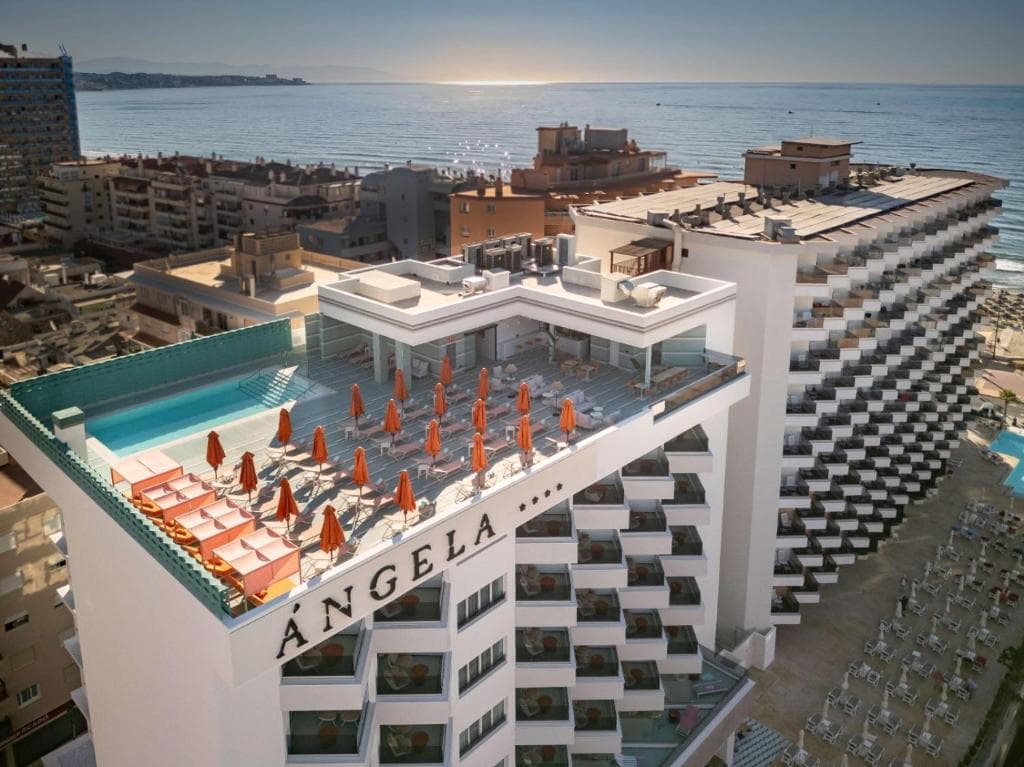


Where to stay in Fuengirola
From Málaga Airport, Fuengirola is about 25 kilometres along the A-7 or AP-7 (the AP-7 is a toll road; expect to pay around €2 to €3). Parking in town can be tricky in summer. There are paid car parks near the seafront, and street parking with a blue zone ticket machine system operates in most residential areas.
Getting Around Town
Fuengirola is walkable. The town centre, beach, zoo, and most restaurants are within a 15-minute walk of each other. There's a local bus service for the outer areas, and taxis are plentiful and reasonably priced for short hops.
Day Trips from Fuengirola
Fuengirola's location makes it an excellent base for exploring the wider region.
Mijas Pueblo
The whitewashed village of Mijas Pueblo sits just 8 kilometres up the hill from Fuengirola. Bus line M-122 runs from Fuengirola bus station to Mijas roughly every 30 to 60 minutes. The fare is around €1.50. The village is genuinely charming and the views back down to the coast are excellent. The Mijas Pueblo guide covers everything you need to know before you go.
Marbella
Marbella is about 25 kilometres west along the coast. The bus (line M-120 or M-121 depending on direction) takes around 40 minutes. Marbella's old town is one of the best on the coast, and the Puerto Banús marina is worth at least a wander, even if the prices aren't.
Málaga City
The train to Málaga takes 45 minutes and puts you in the heart of the city. Málaga has genuinely excellent museums (the Picasso Museum, the Carmen Thyssen, the Centre Pompidou), a great food market at Atarazanas, and an old town that rewards a full day. If you haven't been, go. The things to do in Málaga guide is a good starting point for planning your day.
Ronda
Ronda is doable as a day trip from Fuengirola, though it requires a bus change in Marbella or Málaga. The journey takes around two hours each way. It's a long day, but Ronda is spectacular. The Ronda day trip guide from Málaga has all the practical details.
Best Time to Visit Fuengirola
July and August are the peak months. The beach is packed, restaurants are full, and prices are at their highest. Hotel rooms can cost two to three times more than in shoulder season. If you're coming in summer, book accommodation early, and accept that the beach will be busy.
June and September are the sweet spot. The sea is warm (around 22 to 24°C in September), the weather is reliably sunny, the crowds are thinner, and prices drop noticeably. I'd pick late September over August without hesitation.
October and November are surprisingly pleasant. The weather can still hit 20 to 22°C on good days, most restaurants and attractions are still open, and the town feels like a real place again rather than a holiday resort.
December to February is quiet. Some beach restaurants close, but the town itself is very much alive. The Christmas lights are actually good, and the Three Kings parade in January is a proper local event worth seeing if you're around.
Practical Tips for Your Visit
A few things that will make your trip smoother:
The paseo maritimo is long. If you're staying at one end of town, factor in that a walk to the other end takes 30 to 40 minutes. The local bus runs along the main road parallel to the beach if your feet give out.
Fuengirola has a large Tuesday and Sunday market scene, but if you want to pick up genuine local produce, the covered market (Mercado Municipal) on Calle Miguel Márquez is open most weekday mornings and is where local residents actually shop.
The town's fiesta week, Feria de Fuengirola, usually happens in early October. It's a full week of flamenco, fairground rides, food stalls, and late nights. It's one of the best local ferias on the coast and largely attended by residents rather than tourists. If your dates overlap, don't leave early.
For accommodation, the area around Paseo Marítimo Rey de España gives you the best beach access. The Los Boliches end tends to be slightly quieter and a bit cheaper than the central seafront.
Finally, Fuengirola is not trying to be Marbella. It's a real town with real people living in it. Treat it that way, learn a few words of Spanish, and you'll have a much better time than if you stick to the English-language bubble that exists in parts of the resort. The official Costa del Sol tourism site has useful up-to-date information on events and local listings throughout the year.
In This Guide

Fuengirola Beach Guide: Tips for Your Costa del Sol Trip
You know, most people think of Fuengirola's beach as one big, continuous stretch of sand. From the moment you step off the train at Carvajal until you reach the Castillo Sohail at the other end, it certainly feels like it. But locals know better. What you're actually walking along is an impressive e
Read more →Things to Do in Fuengirola: A Complete 2024 Travel Guide
You know, the first thing you notice about Fuengirola isn't its beaches or its castle, it's the train. The C1 cercanías line runs right through the town, connecting it effortlessly to Malaga city and the airport. This train is a game-changer for holidays here. It means you can land at Malaga, hop on
Read more →