
Flamenco in Málaga: Best Shows, Venues & Insider Tips
The best flamenco shows in Malaga, from intimate tablaos to free festival nights. Find out where to book, what to pay and what to avoid.

By Anna Collins
Updated 3 April 2026
Flamenco was born in Andalucía, and Málaga has its own distinct style called malagueñas, a form so tied to this city that you won't hear it performed quite the same way anywhere else in Spain. Most visitors assume Seville or Granada have the monopoly on great flamenco. They're wrong.
Whether you're spending a week on the Costa del Sol or just passing through the city for a day, there are genuine, moving flamenco experiences to be had here. You just need to know where to look and, more importantly, where to avoid.

What Makes Málaga's Flamenco Different
Most people know flamenco as a single thing. It isn't. There are dozens of distinct palos (styles), each with its own rhythm, mood, and regional character. Málaga gave the world the malagueña, a deeply emotional, largely unaccompanied vocal style that developed in the 19th century among the city's working-class neighbourhoods.
Unlike the bulerías of Jerez or the soleá of Seville, the malagueña is often performed without a fixed rhythmic structure. It's freer, more plaintive, and built around the singer's voice rather than the dancer's footwork. Hearing it live, in a small room, is genuinely affecting.
The city also has strong connections to verdiales, a rougher, older folk tradition from the mountain villages around Málaga. You'll sometimes see verdiales performed at festivals, and it looks nothing like the flamenco you see in tourist posters. It's loud, joyful, and a little chaotic. I love it.

The Best Flamenco Venues in Málaga City
Malaga Flamenco Shows: Quick Comparison
| Venue | Price | Show Times | Duration | Dinner? | Days |
|---|---|---|---|---|---|
| Tablao Flamenco Alegria | EUR 25-28 | 4pm, 6pm, 8pm, 10:30pm | Not stated | Yes - restaurant on-site | Daily |
| Teatro Flamenco Malaga | From EUR 29 | 5pm, 6:30pm, 8pm, 9:30pm | 60 min | No | Daily |
| El Gallo Ronco | EUR 28 | 7pm, 9pm | 50 min | No | Daily |
| Kelipe Centro de Arte | From EUR 28 | 8pm | 90 min | No | Wed-Sun |
| Vino Mio | EUR 15 + EUR 15 food minimum | 7:30pm, 9:30pm | 60 min | Yes - dining required | Wed-Sun |
| Jaleo / MIMMA Museum | EUR 22 (show + museum) | Varies: check site | 45 min | No | Most days |
| Tablao Los Amayas | approx EUR 25 | 7pm, 9pm (verify) | 60 min | No | Verify current status |
Book tours and activities in Málaga
Kelipé Centro de Arte Flamenco
This is the place I send people first. Kelipé is on Calle Ramón Franquelo, just a short walk from the Alcazaba, and it operates as both a flamenco school and a performance space. Shows here tend to be small, with audiences of 30 to 50 people, which means you're genuinely close to the performers.
Tickets typically run around €20 to €25 per person for an evening show. The format usually includes guitar, singer, and dancer, and the quality is consistently high because many of the performers are also teachers. Booking ahead is sensible, especially in July and August. Check their website or call directly, as schedules change seasonally.
Teatro Cervantes
For a grander night out, the Teatro Cervantes on Calle Ramos Marín is Málaga's main municipal theatre and occasionally hosts major flamenco productions and touring companies. Ticket prices vary widely depending on the production, but expect to pay anywhere from €15 to €60. The building itself is worth seeing. It dates from 1870 and has been beautifully restored.
This isn't the place for an intimate tablao experience, but if a significant company is passing through, it's worth going. Check the theatre's official programme before your trip.
Vino Mío
This is a wine bar and restaurant near Plaza de la Merced that puts on flamenco nights several times a week. It's more relaxed than a dedicated tablao, and you can eat and drink while you watch. The flamenco here is professional but the atmosphere is sociable rather than reverent. Expect to pay around €10 to €15 for the show, separate from food and drink. Good for groups or families who want the experience without feeling like they have to sit in hushed silence.

Flamenco Shows Outside Málaga City
The Costa del Sol resort towns aren't known for their flamenco culture, but there are options if you're staying in Torremolinos, Fuengirola, or Marbella.
Fuengirola and Torremolinos
Both towns have flamenco nights that are squarely aimed at tourists, and there's no shame in that. The performers are often genuinely skilled. The issue is the format: large rooms, set menus, and a show designed to move people in and out efficiently. If you're staying in Fuengirola or Torremolinos and don't want to make the trip into Málaga city, these evenings can still be enjoyable. Just go in with the right expectations.
Ask your hotel for current recommendations rather than booking through the hotel itself, as commissions can inflate prices. A typical dinner-and-show package in these towns runs around €45 to €65 per person.
Ronda
If you're planning a day trip to Ronda, which I'd strongly encourage, the town has a genuine flamenco culture and occasionally hosts performances in its old town. Ronda's dramatic landscape and Moorish heritage give it a particular atmosphere that suits flamenco well. Check what's on before you go. The tourist office on Paseo de Blas Infante can advise on current events. You can find more detail about visiting Ronda in our Ronda day trip from Malaga guide.

Free and Festival Flamenco in Málaga
Feria de Málaga
The city's main summer fair, usually held in mid-August, is one of the best times to catch spontaneous flamenco. The fairground (Recinto Ferial) has dozens of casetas (marquees), and in some of them, particularly the ones run by peñas flamencas (flamenco clubs), you'll find people singing and dancing late into the night. It's not a performance. It's just what happens. Getting in is free, though you'll spend money on food and drink inside.
The fair also brings professional flamenco performances to outdoor stages around the city, often at no charge. Keep an eye on the Ayuntamiento de Málaga's events calendar in the weeks leading up to the fair.
Peñas Flamencas
Málaga has several peñas flamencas, which are essentially members' clubs for flamenco enthusiasts. They're not tourist venues. They're places where aficionados gather to sing, play, and talk about the art form. Some of them occasionally open their doors to the public for specific events, and if you can get into one of these evenings, it's a completely different experience from anything you'll find in a ticketed show.
The Peña Flamenca Fosforito on Calle Don Cristián is one of the more established ones in the city. It's not always easy to get into public events, but it's worth enquiring if you're serious about the music.

Where to Stay
Practical Information: Booking, Prices, and Getting There
When to Go
Flamenco happens year-round in Málaga, but the summer months from June to September bring the most performances, including outdoor events and festival programming. August is particularly rich, partly because of the Feria and partly because the city is full of visitors creating demand. Spring (April and May) is also excellent. The weather is good, the city is less crowded, and venues are still running regular shows.
Booking Ahead
For the dedicated tablao venues like Kelipé, book at least a few days in advance in high season. Most venues now have online booking, but a direct email or phone call sometimes gets you better seats. If you're booking a dinner-and-show package anywhere, read the reviews carefully. The quality of food at these evenings varies enormously.
Getting to Málaga City from the Coast
If you're staying in one of the resort towns along the Costa del Sol, getting into Málaga city for an evening show is straightforward. The C1 Cercanías train runs along the coast from Fuengirola through Torremolinos and into Málaga María Zambrano station. Trains run frequently and the journey from Fuengirola takes around 45 minutes. A single ticket costs around €3.60. From the station, the city centre is walkable.
If you're staying in Benalmadena, the Cercanías stops at Arroyo de la Miel and Torremolinos, both easy connections. Taxis back after a late show are a reasonable option too. Expect to pay around €25 to €35 from Málaga city centre to Fuengirola late at night.

Tips for Getting the Most Out of a Flamenco Show
Go without a set dinner if you can. Eating before or after means you can focus on the performance rather than a mediocre three-course meal. The best tablao experiences are the ones where the room is small and nothing is competing for your attention.
Arrive early to get a good seat. In small venues, the difference between a front-row view and sitting behind a pillar is significant. Most shows don't have assigned seating in the tablao format.
Don't applaud in the wrong places. In a proper flamenco performance, the audience responds to moments of particular intensity with shouts of olé or así se hace (roughly: that's how it's done). Clapping after every musical phrase is the tourist tell. Watch the locals and follow their lead.
Learn a little before you go. Even spending 20 minutes reading about the different palos and what to listen for will transform the experience. The duende, that untranslatable quality of raw emotional power in flamenco, is easier to feel when you understand what you're hearing.
If you want to go deeper into the broader Andalucían flamenco scene beyond Málaga, our guide to the best flamenco shows in Malaga and Andalucia covers more venues across the region. You might also find it useful to browse the wider range of things to do in Malaga to plan the rest of your time in the city.
A Note on Authenticity
This word gets thrown around a lot, and it can become a kind of snobbery. A tourist-oriented flamenco show is not automatically bad flamenco. Some of the most technically accomplished dancers and singers in Andalucía work the tablao circuit because it pays reliably. What you lose in those settings is spontaneity and emotional risk. The performer knows the show runs 60 minutes and ends with a bow. There's no room for the unexpected.
The most memorable flamenco I've seen in 12 years here wasn't in a venue at all. It was at a private party in the Pedregalejo neighbourhood, where someone's uncle picked up a guitar at midnight and a woman who turned out to be a retired professional dancer got up and danced in a kitchen. Nobody planned it. That's duende.
You probably won't stumble into that. But the closer you can get to a small room with real performers who care about the music, the closer you'll get to understanding why this art form has lasted for centuries and still makes people cry.
For context on the wider cultural landscape of the region, the Instituto Nacional de las Artes Escénicas y de la Música maintains records of officially supported flamenco programming across Spain, which can be useful for tracking touring productions before you travel.
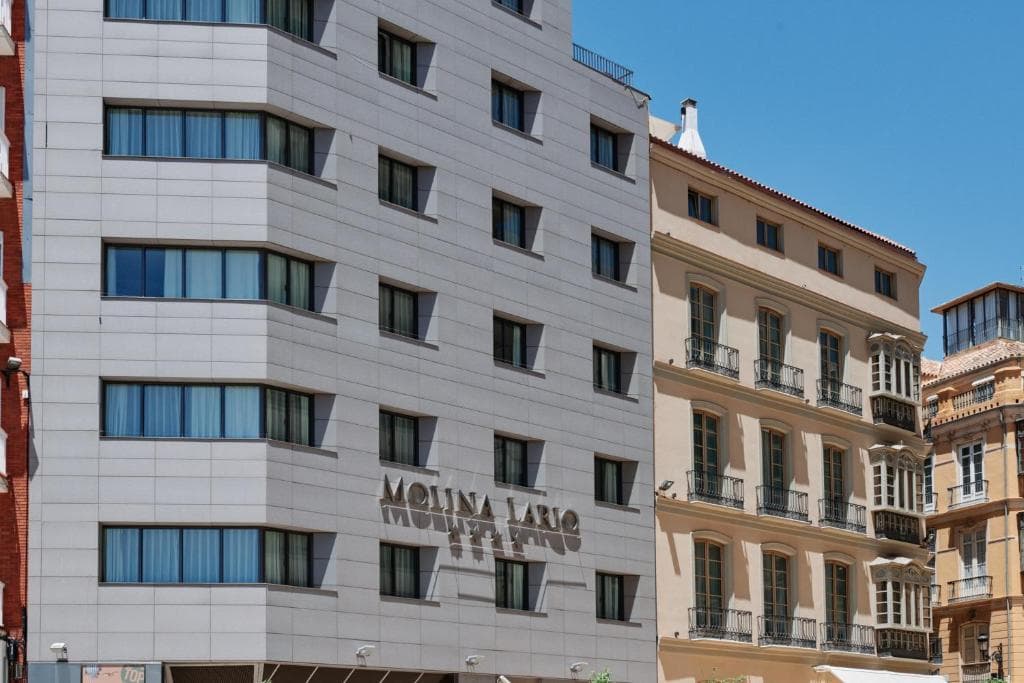
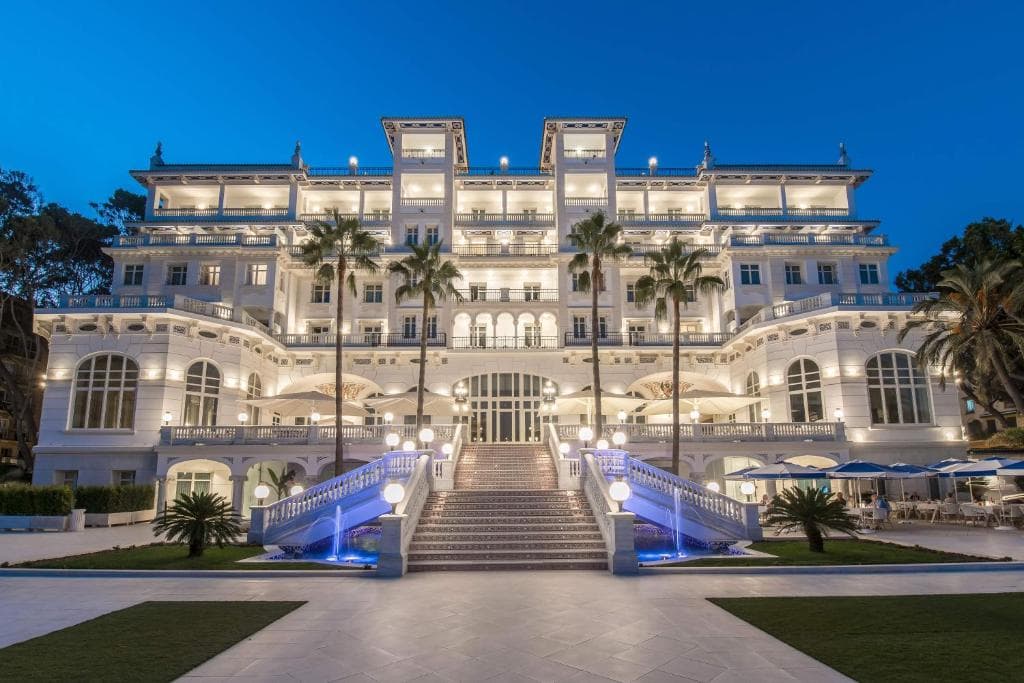
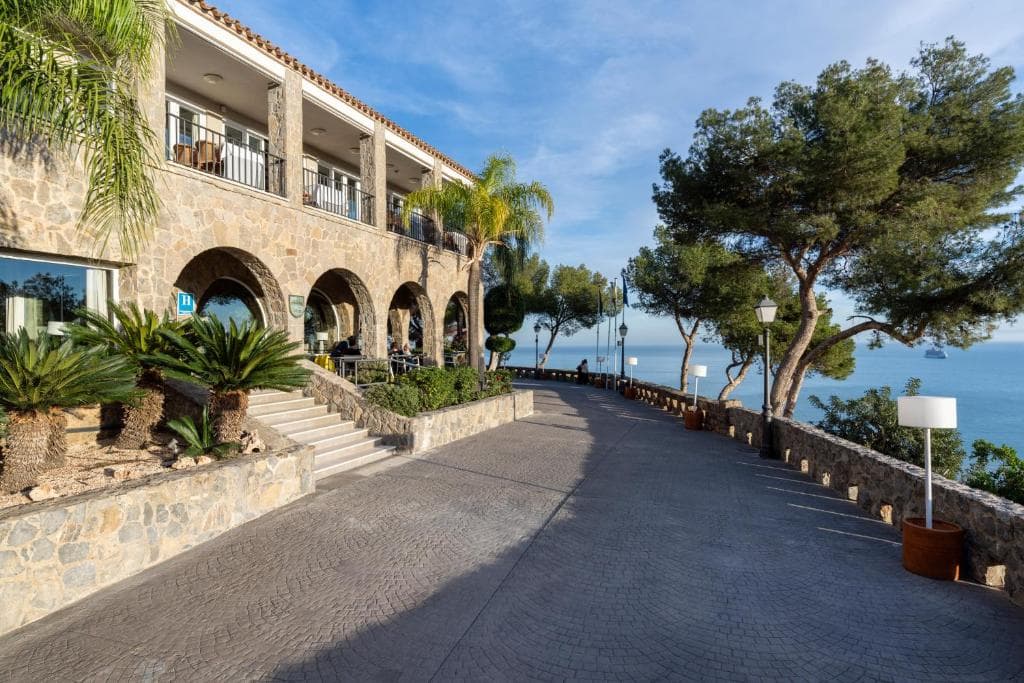
Where to stay for flamenco in Málaga
Frequently Asked Questions
More in Malaga 2026: What to See, Do & Eat Beyond the Airport

3 Days in Málaga: Ultimate Itinerary & Local Tips
You know, for years, when you mentioned Málaga to folks back home, they'd often just picture the airport, a quick stop before heading off to Torremolinos or Marbella. But trust me, that's not the Málaga I've known for the last 12 years. This city has quietly, confidently, become a proper destination
Read more →
Best Hotels in Málaga City 2026: Where to Stay & What to Pay
# Best Hotels in Málaga City 2026: Where to Stay and What to Pay
Read more →
Best Restaurants in Málaga City: A Local's Food Guide
You'll notice something quickly about Málaga city: it closes early. Not every restaurant, of course, but many traditional spots finish lunch service around 3:30 PM and don't reopen until 8 PM. Plan your meals around this schedule, especially if you're used to eating dinner at 6 PM. It's a small adju
Read more →
Caminito del Rey Tickets: Prices, Booking & What to Know
Complete guide to Caminito del Rey tickets prices, how to book, what is included, and how far ahead you need to plan.
Read more →Cheap Flights to Málaga from UK: Airlines & Booking Tips
# Cheap Flights to Málaga from the UK: Airlines, Booking Tips and the Best Time to Fly
Read more →
Costa del Sol Resorts 2026: A Local's Guide to All 10 Towns
From the glamour of Marbella to the family beaches of Torremolinos — a guide to the five most popular holiday resorts on the Costa del Sol.
Read more →
Málaga Itinerary: How to Spend 3 Perfect Days in the City
Málaga is often seen as a gateway to the Costa del Sol, a place you land at before heading off to Torremolinos or Marbella. That's a mistake. After 12 years living here, I can tell you Málaga city itself is a cracking destination, far more than just an airport stop. It's got history, art, proper foo
Read more →Málaga Old Town: Complete Guide to Sights, Food & Tips
You know, for all the talk about Málaga being a city that's really found its feet in recent years, one thing hasn't changed much in the Old Town: the smell of roasting almonds from street vendors. It hits you, sweet and smoky, usually around Calle Granada, reminding you that this isn't just another
Read more →Málaga Wine Guide: Types, Tours and Where to Taste It
Málaga produces some of Spain's most distinctive fortified wines. A local guide to the five classifications, best bodegas and wine tours in the province.
Read more →
Málaga for Couples: A Local's Romantic Travel Guide
You might think Málaga is all about stag and hen parties, especially if you've heard some of the Costa del Sol stories. But after 12 years living here, I can tell you that the city itself, Málaga proper, is actually a cracking spot for couples. It's got that easy-going Spanish charm, plenty of histo
Read more →Málaga for Families: A Complete Guide to a Kid-Friendly Trip
I've lived on the Costa del Sol for twelve years now, and one thing I often hear from friends back home is how they think Málaga city is just for grown-ups. They imagine late-night tapas and art galleries, not playgrounds and child-friendly beaches. But honestly, Málaga is one of the most family-fri
Read more →
Only YOU Hotel Málaga Review: An Urban Oasis in the City Centre
A boutique design hotel steps from Calle Larios — here's what it's actually like to stay.
Read more →
Room Mate Valeria Málaga Review: Great Location, Strong Value
A well-positioned city hotel in the heart of Málaga — ideal for exploring on foot.
Read more →