
Mijas Pueblo: Complete Visitor Guide | Costa del Sol
# Mijas Pueblo: The Complete Guide to This Whitewashed Village Above the Coast
Most people who visit Mijas Pueblo arrive by donkey taxi, snap a few photos, and head back down the hill within two hours. That's a shame, because this mountain village above Fuengirola rewards anyone who stays longer, eats lunch here, and actually wanders beyond the main square.
Mijas Pueblo sits at around 430 metres above sea level in the hills above the Costa del Sol. On a clear day, you can see across to Morocco from the mirador at the top of the village. That view alone is worth the drive up.
This guide covers everything you need to plan a proper visit: how to get here, what to actually do, where to eat, and how to avoid the worst of the tourist crowds. I've been visiting regularly for years and I'll give you the honest picture.
Getting to Mijas Pueblo
By Bus from Fuengirola
The easiest and cheapest option for most visitors is the M-122 bus from Fuengirola. It runs roughly every 30 to 45 minutes from the bus station on Avenida Jesús Santos Rein, just a short walk from the Fuengirola train station. The journey takes about 25 minutes and costs around €1.50 each way. Check the Avanza bus company website for current timetables before you travel, as the schedule changes seasonally.
By Car
If you're hiring a car, the drive from Fuengirola takes around 20 minutes via the A-387. Parking in the village itself is limited. There's a free car park near the bullring on the main road into the village, and a paid underground car park near the Plaza de la Constitución. Expect to pay around €1.50 to €2 per hour in the paid car park. Arrive before 10am in summer if you want a free space.
From Málaga and Further Afield
From Málaga city, you'll need to take the Cercanías train to Fuengirola (around 45 minutes, roughly €2.70 each way) and then connect to the M-122 bus. If you're visiting as a day trip from Málaga, check out the Mijas day trip guide from Málaga on this site for more transport options. Alternatively, a taxi from Fuengirola to Mijas Pueblo costs around €15 to €20 one way.
What to Do in Mijas Pueblo
Book tours and activities in Mijas Pueblo
The Bullring (Plaza de Toros)
Mijas has one of the few oval bullrings in Spain, which makes it architecturally unusual, most arenas are circular. It's also one of the smallest. You can visit the small museum inside for around €3. Whether you're a fan of bullfighting or not, the building itself is genuinely interesting, and the museum gives a decent overview of the history. It opens at 11am daily in summer.
The Donkey Taxis
Yes, they're touristy. Yes, you've seen the photos. The donkey taxis on Calle Virgen de la Peña have been operating since the 1960s, and they remain one of the most photographed things in the entire province. A short ride costs around €10 to €15 depending on the route. I'd say go for it if you have children with you. Otherwise, the village is small enough to walk comfortably.
The Carromato de Max Museum
This is genuinely odd, and I mean that as a compliment. The Carromato de Max is a collection of miniature artworks, some no bigger than a pinhead. There are tiny portraits painted on grains of rice, a copy of Leonardo's Last Supper on a fish scale, and a flea dressed in a bullfighter's costume. Entry costs around €3. It's on Avenida del Compás, near the main car park.
The Church of the Immaculate Conception
The Iglesia de la Inmaculada Concepción dates from the 17th century and sits at the top of the village near the mirador. It's free to enter and usually quiet in the mornings. The interior is simple and cool, a good contrast to the heat outside in summer.
The Mirador and Gardens
Walk up past the church to the Jardines de la Muralla and you'll find the best viewpoint in the village. On a clear winter day, the African coast is visible. The gardens are free, well-maintained, and usually much quieter than the main square. There are benches if you want to sit and take it all in.
The Cave Sanctuary (Santuario de la Virgen de la Peña)
The patron saint of Mijas is housed in a small cave chapel carved into the rock face above the village. It's on Calle Virgen de la Peña, and entry is free. The chapel is tiny but atmospheric, and there's a small garden outside with views down the valley. This is one of the places most day-trippers miss entirely.
Where to Eat and Drink in Mijas Pueblo
Avoiding the Tourist Traps
The restaurants immediately around Plaza Virgen de la Peña are aimed squarely at coach tour groups. The menus are translated into six languages, the portions are generous, and the food is... fine. You can do better.
Local Recommendations
El Mirlo Blanco on Calle Cuesta de la Villa has been one of the best restaurants in Mijas since 1968, specialising in Basque cuisine. It's well-regarded locally and popular enough that booking ahead is advisable. Expect to pay around €25 to €40 per person.
Restaurante El Padrastro is perched on the edge of the cliff near the mirador and the views from the terrace are genuinely impressive. The food is solid Spanish cooking rather than anything groundbreaking, but the location makes it worth a visit for lunch. A two-course meal with wine will cost around €25 to €35 per person.
Valparaíso is a long-established restaurant on the road between Fuengirola and Mijas Pueblo, technically outside the village itself. It's been going since 1984 and is popular with locals for special occasions. The menu is more international than traditionally Spanish, and prices are higher, around €40 to €50 per person for dinner.
For coffee and pastries in the morning, the small cafés around Calle San Sebastián are cheaper and quieter than anything on the main square.
Shopping in Mijas Pueblo
The main shopping street running from the car park to the Plaza de la Constitución is lined with souvenir shops. Most of it is the usual Costa del Sol merchandise, ceramic tiles, leather goods, and fridge magnets. That said, there are a few shops worth a look.
The leather goods sold in several shops along Calle San Sebastián are often genuinely good quality. Spain has a strong leather-working tradition, and you can find belts, bags, and wallets at reasonable prices if you look around. Expect to pay €20 to €60 for a decent leather bag.
Ceramic tiles with hand-painted designs are also a good buy. Several shops stock tiles made in the traditional Andalucían style. A single decorative tile costs around €5 to €15.
The weekly market in Mijas Pueblo runs on Saturdays and is worth timing your visit around if you can. It's smaller than the coastal markets but has local produce, plants, and occasionally some interesting handmade crafts.
Best Time to Visit Mijas Pueblo
Summer (June to August)
This is peak season, and Mijas Pueblo gets extremely busy, particularly between 10am and 2pm when the coach tours arrive. The heat at this altitude is slightly more bearable than on the coast, but summer afternoons can still be very warm. If you're visiting in summer, arrive before 9:30am or after 4pm to avoid the worst of the crowds. Parking becomes almost impossible by mid-morning.
Spring and Autumn
April, May, September, and October are the best months to visit. The weather is warm and settled, the light is excellent, and the village is noticeably quieter. Spring brings wildflowers to the surrounding hillsides, and the walking trails around the village are at their best. I'd pick May or October as the ideal months if you have flexibility. The Junta de Andalucía's tourism portal has useful seasonal information on events and local festivals if you want to time your visit around something specific.
Winter
Where to Stay
Where to stay near Mijas
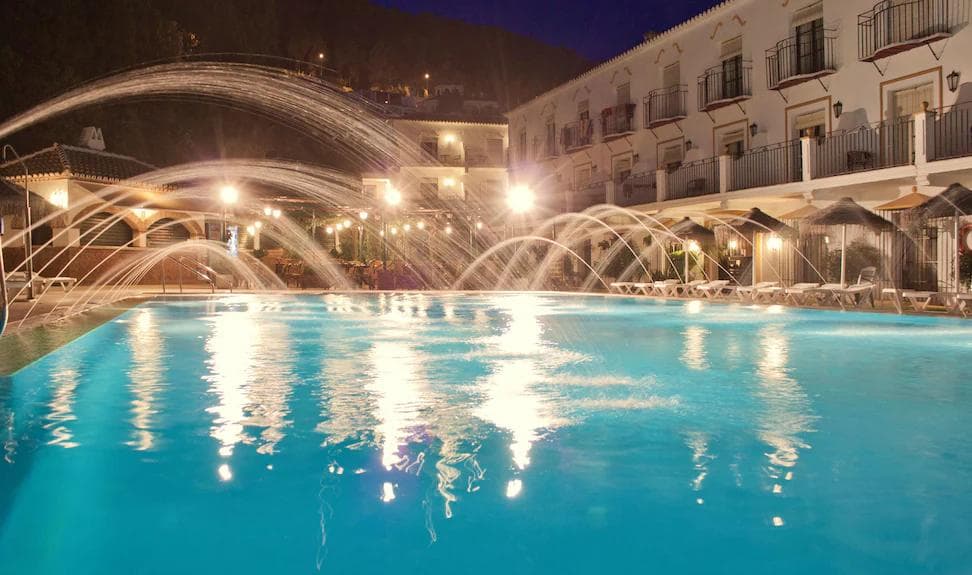
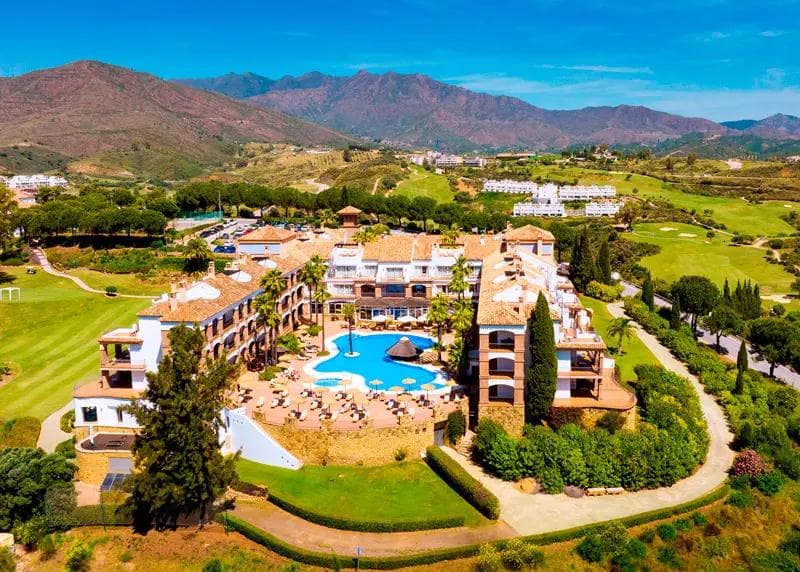
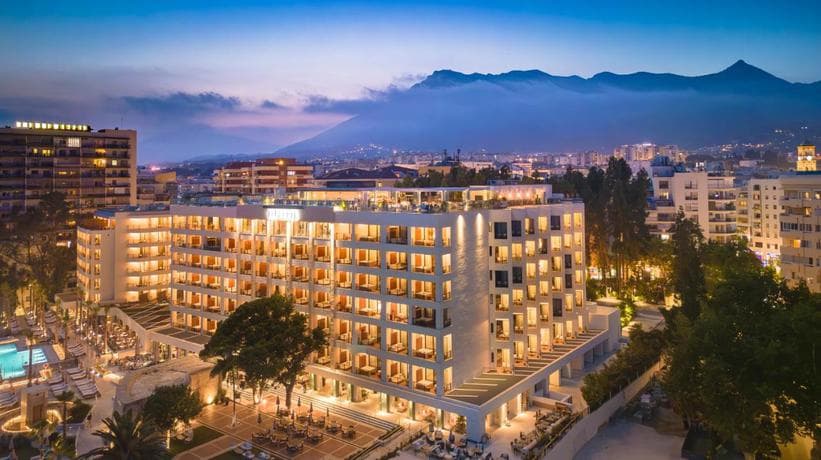
Where to stay near Mijas
Mijas Pueblo in winter is a different experience entirely. The village is quiet, the restaurants are mostly open (though some close on weekdays), and the light on the whitewashed walls in December and January is extraordinary for photography. It can be cool and occasionally misty at this altitude, so bring a layer. Temperatures typically range from around 10°C to 18°C in winter.
Day Trips and Combining Your Visit
Mijas Pueblo works well as a half-day visit combined with time on the coast. Fuengirola is the obvious base, with its long beach and good transport links. The things to do in Fuengirola guide on this site covers what to do at sea level.
If you're interested in other Andalucían villages, Mijas pairs well with a visit to Marbella's old town, which is about 30 minutes along the coast by car. The Marbella Old Town guide on this site covers the casco antiguo in detail.
For something more ambitious, Ronda is around 90 minutes from Mijas by car and makes for a memorable full-day excursion. The Ronda day trip guide from Málaga covers the logistics well.
La Cala de Mijas, the coastal resort directly below the village, is worth knowing about if you want beach time. The La Cala de Mijas guide covers the beaches and restaurants there, and it's a straightforward 15-minute drive down the hill. If you're planning a beach day, the La Cala de Mijas beach guide has everything you need on what to expect at the shore.
Practical Tips for Visiting Mijas Pueblo
Wear sensible shoes. The streets are steep and the cobbles are uneven. I see people in flip-flops struggling every single time I visit. Trainers or walking sandals are the minimum.
Bring cash. Most restaurants and shops accept cards now, but some of the smaller cafés and market stalls are cash only. There's an ATM near the main car park.
Book lunch in advance in summer. The better restaurants fill up quickly, particularly on weekends. El Padrastro in particular is worth booking ahead if you want a terrace table.
The village is small. You can walk the entire historic centre in about 20 minutes. Don't feel pressured to rush. The pleasure of Mijas Pueblo is in slowing down, finding a quiet corner, and sitting with a coffee.
Accessibility. The steep streets and cobbles make Mijas Pueblo challenging for wheelchair users and pushchairs. The main square and a few of the wider streets are manageable, but much of the village is not.
Photography. The best light for photography is early morning (before 9am) or the hour before sunset. The midday light in summer is harsh and flat. For more on what makes the Costa del Sol's whitewashed villages so photogenic, the Wikipedia entry on Pueblos Blancos gives useful background on the architectural tradition across Andalucía.
Key Facts at a Glance
- Getting there by bus: M-122 from Fuengirola, around €1.50 each way
- Parking: Free car park near the bullring, paid underground parking around €1.50 to €2 per hour
- Bullring museum: Around €4, typically open 10am to 7pm in summer
- Carromato de Max: Around €4
- Donkey taxis: Around €10 to €15 per ride
- Cave sanctuary: Free
- Best months to visit: May and October
- Average lunch cost: €15 to €35 per person depending on where you eat
- Nearest train station: Fuengirola (Cercanías line from Málaga)
For official visitor information, the Costa del Sol tourism website has up-to-date details on events, opening hours, and local transport across the region.
In This Guide

Mayan Monkey Mijas: The Chocolate Workshop in Mijas Pueblo
A working chocolate factory, cafe and 25-minute hands-on workshop in Plaza Virgen de la Pena. Here is what to order, what it costs and when to go.
Read more →
Mijas Pueblo 2026: 15 Best Things to Do, See & Eat
Mijas Pueblo sits 430 metres above the Costa del Sol with cobbled lanes, donkey taxis and wide sea views. Find out the 15 best things to do and see.
Read more →
La Cala de Mijas: Guide to the Costa del Sol's Best-Kept Secret
La Cala de Mijas is the Costa del Sol spot the old guard has been trying to keep quiet for years. A small beach town between Fuengirola and Marbella that has quietly gone upmarket, with serious golf country ten minutes inland at La Cala Golf Resort.
Read more →
Mijas Day Trip from Malaga: A Complete Visitor's Guide
The first time I drove up to Mijas Pueblo, I thought my satnav had lost its mind. The road winds, climbs, and then suddenly, you're there, a huddle of white houses clinging to the hillside, high above the sprawl of the Costa del Sol. It's a place many visitors to Málaga have on their list, and for g
Read more →