
Fuengirola Beach Guide: Tips for Your Costa del Sol Trip
You know, most people think of Fuengirola's beach as one big, continuous stretch of sand. From the moment you step off the train at Carvajal until you reach the Castillo Sohail at the other end, it certainly feels like it. But locals know better. What you're actually walking along is an impressive e

By Anna Collins
Updated 4 April 2026
You know, most people think of Fuengirola's beach as one big, continuous stretch of sand. From the moment you step off the train at Carvajal until you reach the Castillo Sohail at the other end, it certainly feels like it. But locals know better. What you're actually walking along is an impressive eight kilometres of coastline, officially divided into seven distinct beaches, all linked by our fantastic Paseo Marítimo. Each section has its own little character, its own favourite chiringuitos, and its own regulars. Don't expect blinding white Caribbean sand here, though. This is typical Andalusian beach, a coarser, darker golden colour that gets wonderfully hot under your feet in July.
The Beaches of Fuengirola: A Closer Look
Fuengirola's coastline isn't just one beach, it's a collection. Knowing the names helps you find your bearings. Starting from the Benalmádena side and heading west towards Marbella, you'll find Carvajal, Torreblanca, Las Gaviotas, Los Boliches, San Francisco, Fuengirola, and El Ejido. They all share the same long promenade, which is great for walking, cycling, or just people-watching.
All these beaches consistently earn Blue Flag status. That means they meet strict standards for water quality, environmental management, safety, and services. You can swim with confidence knowing the water is regularly tested and clean. The sand itself is a mix, generally fine gravel near the water's edge, becoming coarser further back. It's not the powdery stuff you see in postcards from other places, but it's comfortable enough for sunbathing and building sandcastles. The entry into the sea is generally shallow and gentle, making it a good spot for families with younger kids. You won't find sudden drops or strong currents here, which is a real plus.
Carvajal Beach
This is the easternmost beach, closest to Benalmádena. It's often a bit quieter than the central sections, especially outside of peak summer. You'll find a good selection of chiringuitos and sunbed rentals here. It's popular with families and those looking for a slightly more relaxed atmosphere. The train station is right across the road, making it easy to reach.
Los Boliches Beach
Los Boliches is probably my favourite section for a proper beach day. It's got a slightly more traditional, Spanish feel than some other parts. There's an accessible bathing area with ramps and special chairs for those with mobility issues, usually staffed in summer. The sand here is well-maintained, and there are plenty of chiringuitos serving up fresh seafood. It also has its own train station, so access is simple.
Fuengirola Beach (Town Centre)
This is the main stretch directly in front of the town centre and the port. It's usually the busiest, with lots of hotels, shops, and restaurants just steps away. You'll find more water sports operators here. While it's convenient, it can get crowded in July and August. If you like to be in the thick of it, this is your spot.
Getting to the Fuengirola Front
Getting to Fuengirola's beach is straightforward, whether you're coming from Málaga airport or another Costa del Sol town. The beauty of Fuengirola is its excellent transport links.
Book tours and activities in Fuengirola
The easiest way from Málaga airport, or from Málaga city, Torremolinos, or Benalmádena, is the local Cercanías C1 train line. This train runs frequently, typically every 20 minutes, from early morning until late evening. A single ticket from Málaga Airport to Fuengirola costs around €2.70. The journey takes about 35 minutes. Crucially, the train has four stops right along the beach: Carvajal, Torreblanca, Los Boliches, and Fuengirola. This means you can pick which part of the beach you want to arrive at. The Fuengirola station is right in the town centre, a two-minute walk from the main beach.
If you're driving, be warned: parking can be a challenge, especially in summer. There are several underground car parks in the town centre, like the one under Plaza de España or near the port. Expect to pay around €2-3 per hour, or €18-20 for a full day. You might find some street parking further back from the beach, but it's often residential and fills up quickly. My advice? Use public transport if you can.
Local buses also run along the Paseo Marítimo, connecting different parts of Fuengirola. If you're staying a little further inland, these are a cheap and easy way to get down to the sea. A single bus ticket usually costs around €1.50.
Beachside Comforts: Beds, Showers, and Lifeguards
Fuengirola's beaches are well-equipped, which makes a day by the sea easy and comfortable. You'll find everything you need close at hand.
Most sections of the beach have operators renting out sunbeds (hamacas) and parasols (sombrillas). You'll see them lined up in neat rows. Expect to pay around €6-8 for a sunbed for the day, and a similar amount for a parasol. It's often cheaper to rent both together. They usually operate from around 10 am to 7 pm during high season. Don't try to reserve them by leaving a towel early in the morning; it's bad form and they'll likely remove it. Just turn up and ask for what you need.
You'll find public showers and foot washes dotted along the promenade. These are free to use and a blessing for rinsing off salty water and sand before heading back to your hotel. Public toilets are less common directly on the beach, but many chiringuitos will let you use theirs if you're a customer. There are also a few public facilities, some of which might charge a small fee, usually around €0.50.
Lifeguards are on duty during the main swimming season, typically from June to September. You'll see their towers and flags indicating sea conditions: green for safe, yellow for caution (perhaps small waves or jellyfish), and red for unsafe. Always pay attention to these flags. In the shoulder seasons, lifeguard presence might be reduced or non-existent, so be more cautious if you're swimming.
Accessibility is a priority on some sections. Los Boliches beach, in particular, has designated accessible areas with wooden walkways right down to the water and adapted changing facilities. They often provide amphibious chairs for people with reduced mobility, with assistance from staff during specific hours in summer.
Eating and Drinking on the Front
You can't really experience a Spanish beach day without visiting a chiringuito. These are the beach bars and restaurants that line the Paseo Marítimo, and Fuengirola has dozens of them. From casual spots serving quick snacks to more upscale places for a proper meal, there's a huge choice.
One thing you absolutely must try is espetos de sardinas. These are fresh sardines skewered on a cane stick and grilled over an open fire in a sand-filled boat. You'll see the smoke and smell the delicious aroma long before you reach them. They're a simple, traditional, and incredibly tasty snack, usually costing around €4-6 for a skewer of about 6-8 sardines. Most chiringuitos will offer them, especially for lunch.
For a good seafood meal, I'd suggest places like Chiringuito Rivera or El Rinconcillo in the Los Boliches area. They serve up excellent paella, grilled fish, and fritura malagueña (fried fish platter). Expect to pay around €12-20 for a main course, though a fresh grilled fish might be priced by weight. If you're after something a bit fancier, Los Marinos José is renowned, but that's more of a special occasion place and you'll pay accordingly.
Many chiringuitos also offer lighter options like salads, bocadillos (sandwiches), and raciones (plates to share). For drinks, a cold caña (small beer) or a glass of tinto de verano (red wine with lemonade) hits the spot on a hot day. Expect to pay around €2.50-3.50 for a beer.
Beyond the chiringuitos, the Paseo Marítimo is also lined with plenty of ice cream parlours, cafes, and international restaurants. If you fancy a pizza or a burger, you won't have trouble finding one. For a proper local meal, though, stick to the chiringuitos.
Getting Wet: Activities and Water Sports
Fuengirola's calm waters are ideal for trying out a few water sports. You won't find huge waves here, which makes it safe and enjoyable for beginners and families.
You'll spot kiosks and rental points along the main beach sections, especially around the port and the central Fuengirola beach.
*Pedal Boats (Pedalos):* These are a family favourite. You can rent them with or without a slide, making them extra fun for kids. Expect to pay around €15-20 for an hour. They're a gentle way to explore the coastline from the water.
Paddleboarding (SUP): Stand-up paddleboarding has become hugely popular. The flat, often glassy water in the mornings is perfect for it. You can rent a board for around €10-15 per hour. Some places also offer lessons if you're a complete novice.
Jet Skis: If you're looking for a bit more speed, jet ski rentals are available. You'll usually have to stay within a designated area and might be accompanied by an instructor for safety. Prices are typically €50-70 for 20-30 minutes.
Parasailing: Get a bird's-eye view of Fuengirola by parasailing. You're strapped into a harness and lifted into the air behind a boat. It's a fantastic experience and offers some memorable photos. Prices are generally €50-60 per person for a single flight.
Banana Boats and Other Inflatables: These are great for groups and families wanting a bit of a laugh. You sit on a large inflatable towed by a speedboat. It's a bumpy, wet ride. Expect to pay around €10-15 per person for a short session.
Always check that the rental operator is licensed and that you're given appropriate safety gear, like life vests. Don't forget your sun cream, even when you're on the water.
Fuengirola for Families: Kid-Friendly Beach Days
Fuengirola is a fantastic spot for families, and its beaches are a big reason why. The combination of gentle slopes into the sea, good facilities, and plenty of space makes for stress-free beach days.
The shallow entry into the sea means young children can paddle and play safely close to the shore. The water often stays quite shallow for a good distance out, so parents don't need to worry about sudden deep spots. Look for the green flags from the lifeguards, especially during summer months.
Along the Paseo Marítimo, you'll find several dedicated children's playgrounds. These are usually shaded and have swings, slides, and climbing frames. They're a great option when the kids need a break from the sand or a change of scenery.
Many chiringuitos are very family-friendly, offering high chairs and often having kid-sized portions or simple dishes like chips and chicken. Don't be afraid to ask.
If the kids get tired of the beach, there are a few other options very close by. Bioparc Fuengirola, the town's zoo, is just a short walk inland from the main beach. It's an excellent, modern zoo that focuses on conservation and natural habitats. Another option, a short bus ride away, is Parque Acuático Mijas, a water park that's usually open from May to September. These make for good half-day excursions when you need a break from the sun.
Remember to bring plenty of sun cream, hats, and maybe a small beach tent or umbrella for extra shade, especially for babies and toddlers. The sun here is stronger than you think.
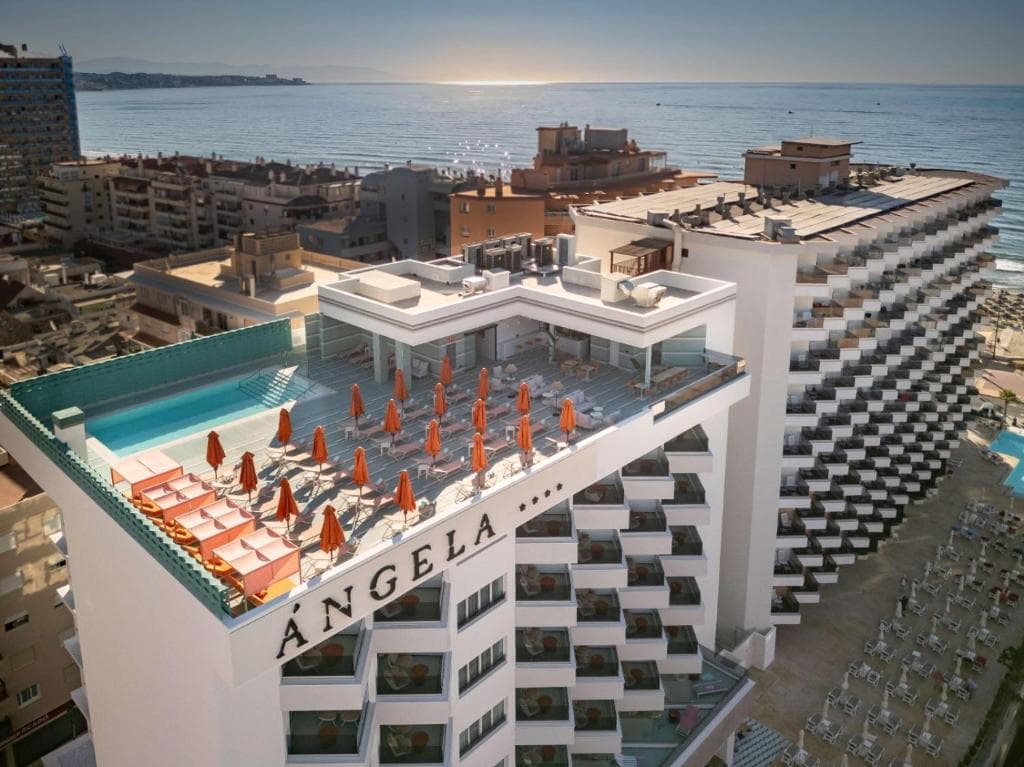
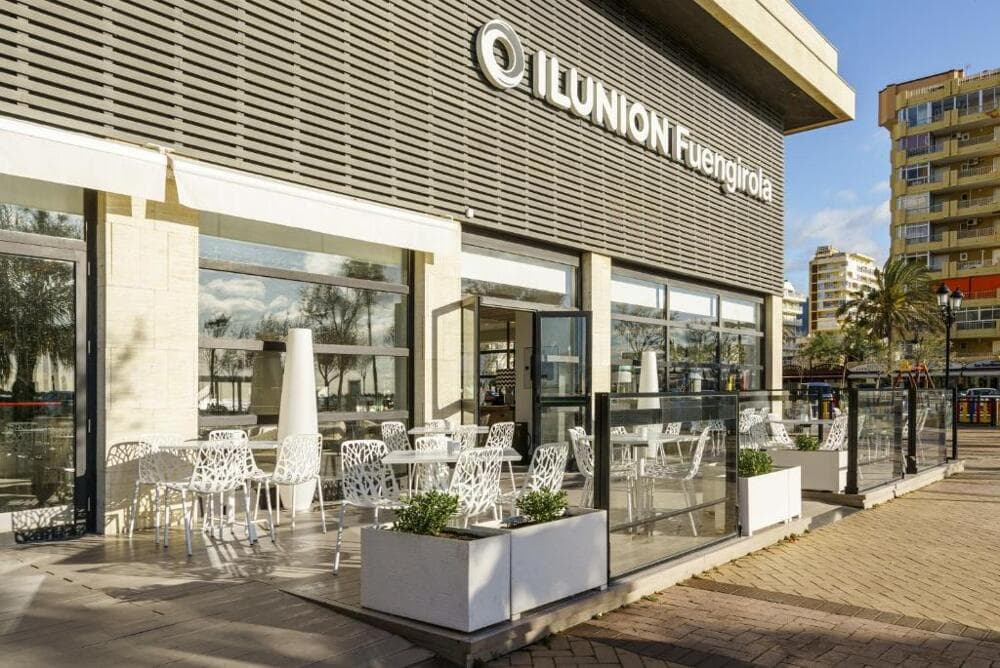
Where to Stay
Where to stay in Fuengirola

Timing Your Visit: Best Seasons for the Beach
When you visit Fuengirola's beach can really change your experience. Each season has its own flavour.
Summer (July and August): This is peak season. It's hot, with daytime temperatures often hitting 30-35°C. The sea is at its warmest, usually around 24-26°C. Everything is open, from every chiringuito to all the water sports operators. Expect crowds, especially on weekends and in the central beach areas. Prices for flights and accommodation are at their highest. If you love heat and a buzzing atmosphere, this is your time. Just be prepared for the crowds.
Spring (April to June): This is my personal favourite. The weather is warm and sunny, typically 20-28°C, but not oppressively hot. The sea is starting to warm up, reaching a comfortable 20-22°C by June. The beaches are much less crowded than in summer, but most facilities are open. You can easily find a quiet spot. It's ideal for those who want to relax, enjoy the sun, and still swim without the intense heat.
Autumn (September and October): Another excellent choice. The summer crowds have thinned out, but the weather is still lovely and warm, often 22-28°C. The sea remains warm from the summer heat, often staying around 22-24°C well into October. It's perfect for a late-season beach holiday. By late October, some water sports might start to pack up, but most chiringuitos stay open.
Winter (November to March): Don't dismiss winter. While you might not be sunbathing in a bikini, temperatures are mild, usually 15-20°C, and there are plenty of sunny days. The beach is wonderfully quiet, perfect for long walks. The sea is too cold for most to swim in, typically 14-16°C. Many chiringuitos stay open, especially for lunch, offering a cosy spot for a meal with sea views. Prices for flights and accommodation are at their lowest. It's a great time for a relaxed break away from the cold British or Irish winter.
If you're coming for a proper beach holiday with swimming and sunbathing, aim for May, June, September, or early October. You'll get great weather without the peak summer madness.
Staying Safe and Savvy on the Sand
A day on Fuengirola beach is usually trouble-free, but a few local tips can make your experience even better and safer.
Sun Protection: This is crucial. The Andalusian sun is powerful, even on cloudy days or in spring and autumn. Use high-factor SPF cream, reapply it often, and wear a hat. Seek shade during the hottest part of the day, usually between 1 pm and 4 pm. Sunburn can ruin your holiday.
Jellyfish: While not a constant problem, jellyfish can appear, especially after certain wind conditions. Look for warning flags on lifeguard stations. If you do get stung, rinse the area with seawater (not fresh water) and seek advice from a lifeguard or local pharmacy. They usually have creams that help.
Valuables: Don't leave your phone, wallet, or other valuables unattended on the beach while you go for a swim. Petty theft can happen, as it can in any busy tourist area. If you're alone, either leave valuables at your accommodation or ask a trusted-looking family nearby to keep an eye on your things for a few minutes.
Hydration: Drink plenty of water throughout the day. Dehydration can creep up on you quickly in the heat. Avoid excessive alcohol consumption, especially during the hottest hours, as it can accelerate dehydration.
Footwear: The sand can get incredibly hot in summer. Wear flip-flops or sandals right up to the water's edge to avoid burning your feet.
Beach Vendors: You'll encounter vendors selling everything from sarongs to cold drinks, and offering massages. A polite "no, gracias" usually suffices. They're generally harmless but can be persistent.
Siesta: While not as strictly observed in tourist areas, many smaller shops and some restaurants still close for a few hours in the afternoon, typically between 2 pm and 5 pm. Don't plan your shopping trips for this time.
Beyond the Beachfront: Fuengirola's Other Charms
While the beach is definitely the main draw, Fuengirola has more to offer. You're perfectly placed to explore other parts of the town and beyond.
The Paseo Marítimo itself is worth exploring beyond just your immediate beach spot. It stretches the entire length of the town and is flat, making it ideal for a long walk or a rented bicycle ride. You'll pass countless shops, cafes, and bars along the way.
At the western end of the beach, you'll find the *Castillo Sohail*. This ancient Moorish castle sits on a hill overlooking the sea and the mouth of the Fuengirola river. It's not a huge, elaborate castle, but it's well-preserved and offers fantastic views. Entry is usually free, and they often host markets, concerts, and medieval fairs there, especially in summer. You can easily walk to it from the beach.
Just a short walk inland from the main beach, you'll find the heart of Fuengirola town. Here, you can wander through the pedestrianised streets, browse the shops, or sit in Plaza de la Constitución for a coffee. The main street market happens every Tuesday near the fairground, a short walk from the Los Boliches beach area. It's a huge market selling clothes, leather goods, souvenirs, and fresh produce. There's also a popular flea market on Saturdays in the same spot.
For animal lovers, Bioparc Fuengirola is an award-winning zoo with a strong focus on natural habitats and endangered species. It's a fantastic place for a family outing and is only a 10-15 minute walk from the centre of town.
And don't forget the train line. It makes day trips incredibly easy. You can hop on the train and be in Benalmádena to ride the cable car, or continue to Torremolinos for its lively promenade, or even go all the way to Málaga city to explore its museums and historic centre. Fuengirola is a great base for exploring the wider Costa del Sol. You'll find plenty of other ideas for things to do in Fuengirola on our site.
