
Nerja Old Town: Local Guide to the Casco Histórico
Nerja Old Town: A Local's Honest Guide to the Best of the Casco Histórico

By Anna Collins
Updated 3 April 2026
Most visitors to Nerja spend their first morning on the Balcón de Europa and their last afternoon on Burriana beach, and somehow miss almost everything in between. The old town, the casco histórico, is where Nerja actually lives, and it rewards the people who slow down enough to notice it.
This guide covers the streets, squares, food, and practicalities you need to get the most from Nerja's historic centre. I've been writing about this stretch of the Axarquía coast for over a decade, and Nerja remains one of the most genuinely pleasant towns on the Costa del Sol to actually walk around.
Getting to Nerja from the Costa del Sol
Nerja sits about 52 kilometres east of Málaga city, which puts it a little outside the usual package holiday orbit. That's part of its appeal. It hasn't been swallowed by the resort sprawl that runs from Torremolinos to Marbella.
By Bus
The ALSA bus from Málaga's bus station (Estación de Autobuses, Paseo de los Tilos) runs regularly throughout the day. The journey takes around 1 hour 20 minutes and costs roughly €5 to €6 each way. Buses run from around 7am to 9pm, though the timetable thins out on Sundays. You can buy tickets at the station or online at alsa.es.
From the bus stop in Nerja (on Avenida Pescia, near the edge of the old town), it's a flat five-minute walk into the casco histórico.
By Car
If you're driving from Málaga, take the A-7 east. Expect about 55 to 65 minutes depending on traffic, and significantly longer in August when the coast road clogs badly. There's a free car park on Calle Chaparil, about a ten-minute walk from the Balcón de Europa. Parking inside the old town itself is extremely limited and not worth attempting.
From Other Resorts
From Fuengirola or Torremolinos, you'll need to connect through Málaga. From Marbella or Estepona, a car is the most practical option. Nerja works well as a day trip from Málaga city, it's one of the more rewarding options covered in the best day trips from Málaga guide.
Book tours and activities in Nerja
The Balcón de Europa: Start Here, But Don't Stop Here
Every visit to Nerja's old town starts at the Balcón de Europa. It's a broad promenade on a clifftop promontory, built on the site of an old fortress, with the sea on three sides. Alfonso XII visited in 1885 after an earthquake devastated the area and reportedly called it the balcony of Europe. The name stuck.
It's genuinely lovely, particularly early in the morning before the tour groups arrive. Get there before 9am in summer and you'll have it almost to yourself.
But here's the thing: most people arrive, take their photos, eat an overpriced breakfast at one of the terrace cafés, and leave. The actual old town starts the moment you turn your back on the sea.
Walk north from the Balcón along Calle Pintada, which is the main artery of the casco histórico. This is where you'll find the best independent shops, the most interesting restaurants, and the architecture that makes Nerja different from the resort towns further west.
The Streets Worth Walking: A Practical Route
The old town is compact. You can cover it properly in two to three hours, more if you stop to eat. Here's how I'd approach it.
Calle Pintada
This is the main pedestrianised street running through the historic centre. The name means "painted street," a reference to the colourful facades. It's lined with independent boutiques, ceramics shops, and a handful of decent restaurants. Avoid the places with laminated menus and photos of paella, they're aimed squarely at tourists and the food reflects that.
Plaza Cavana and the Church of El Salvador
Follow Calle Pintada north and you'll reach Plaza Cavana, a proper Andalusian square with orange trees and a fountain. The Church of El Salvador on the eastern side dates from the 17th century and has a distinctive Mudéjar-influenced ceiling inside. It's free to enter and usually open in the mornings. The square itself is a good place to sit with a coffee and watch Nerja going about its day.
Calle Carabeo
Turn off Pintada onto Calle Carabeo and you get into the quieter, more residential part of the old town. There are a few small galleries and independent restaurants along here, and the street eventually leads to some steps down towards the cliffs and the sea. It's noticeably less touristy than the main drag.
El Pueblo Market
On Tuesday and Saturday mornings, a street market sets up near the old town. It sells the usual mix of produce, clothing, and crafts. The fresh fruit and vegetable section is worth a look, particularly in summer when local farmers bring in tomatoes, peppers, and figs.
Where to Eat and Drink in the Old Town
Nerja has a noticeably better food scene than most towns of its size on the Costa del Sol. The Axarquía region produces excellent olive oil, almonds, subtropical fruits, and some interesting local wines. The restaurants that take this seriously are the ones worth seeking out.
El Molino de Fabian
On Calle San Miguel, this is one of the most consistent restaurants in the old town. They do a good rabo de toro (oxtail stew) and the grilled fish is reliably fresh. Expect to pay around €15 to €22 for a main course. Book ahead in July and August.
Bar El Pulguilla
Down near the beach end of town on Calle Almirante Ferrandiz, this place has been serving fried fish and cold beer to locals and visitors since the 1970s. The pescaíto frito (mixed fried fish) is excellent and costs around €10 to €14 for a generous portion. It's not fancy, which is exactly the point.
Tapas on Plaza Cantarero
Plaza Cantarero, just off Calle Pintada, has a cluster of tapas bars that do a decent free tapa with each drink. This tradition is alive and well in Nerja in a way it isn't further west. Order a caña (small beer) or a glass of local white wine and see what arrives. You won't spend much.
Local Wine
The Axarquía region produces wine from the Moscatel grape, and it's not just for dessert. Look for dry or semi-dry whites from producers around Cómpeta and Frigiliana. Some of the bars in the old town stock these by the glass. It's worth asking. For more background on the region's wine traditions, the Málaga wine guide from the regional tourism board is a useful reference.
Where to Stay
Where to stay in Nerja
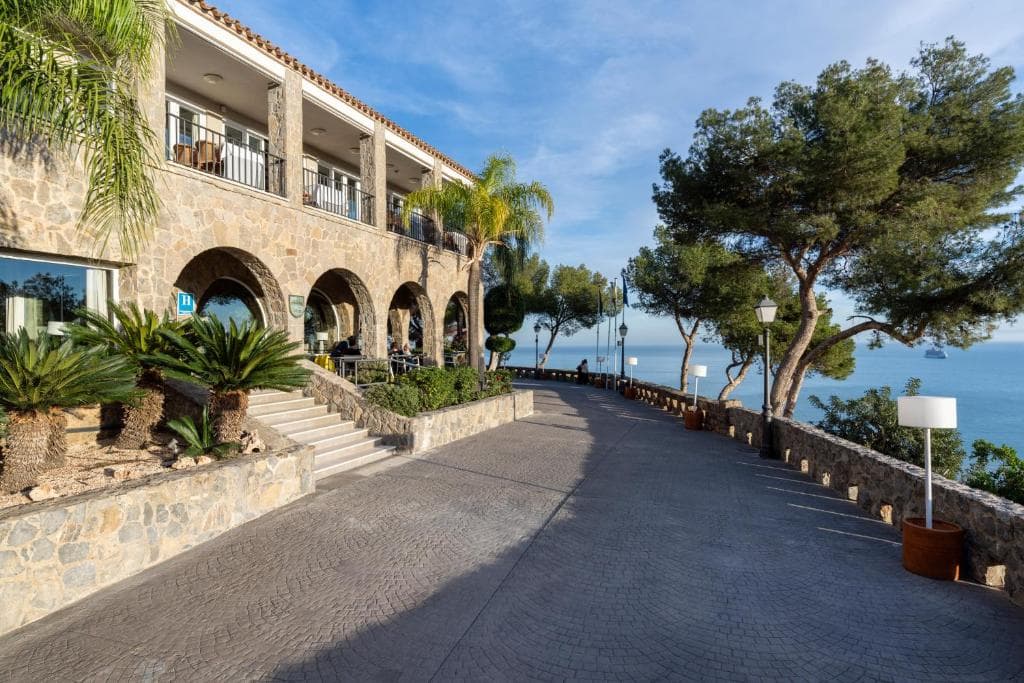
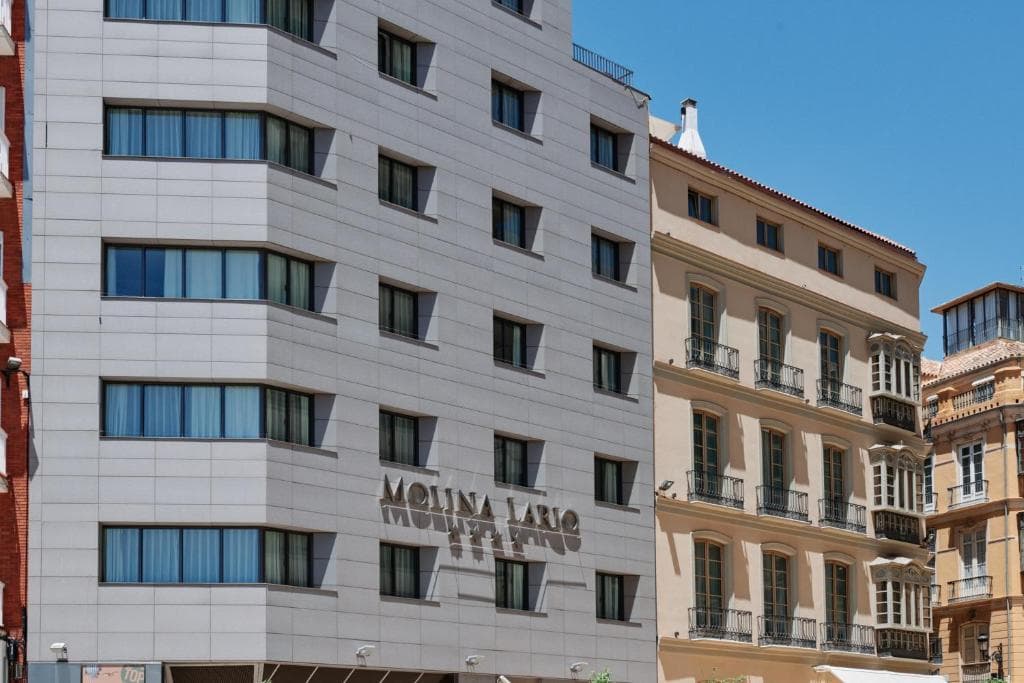
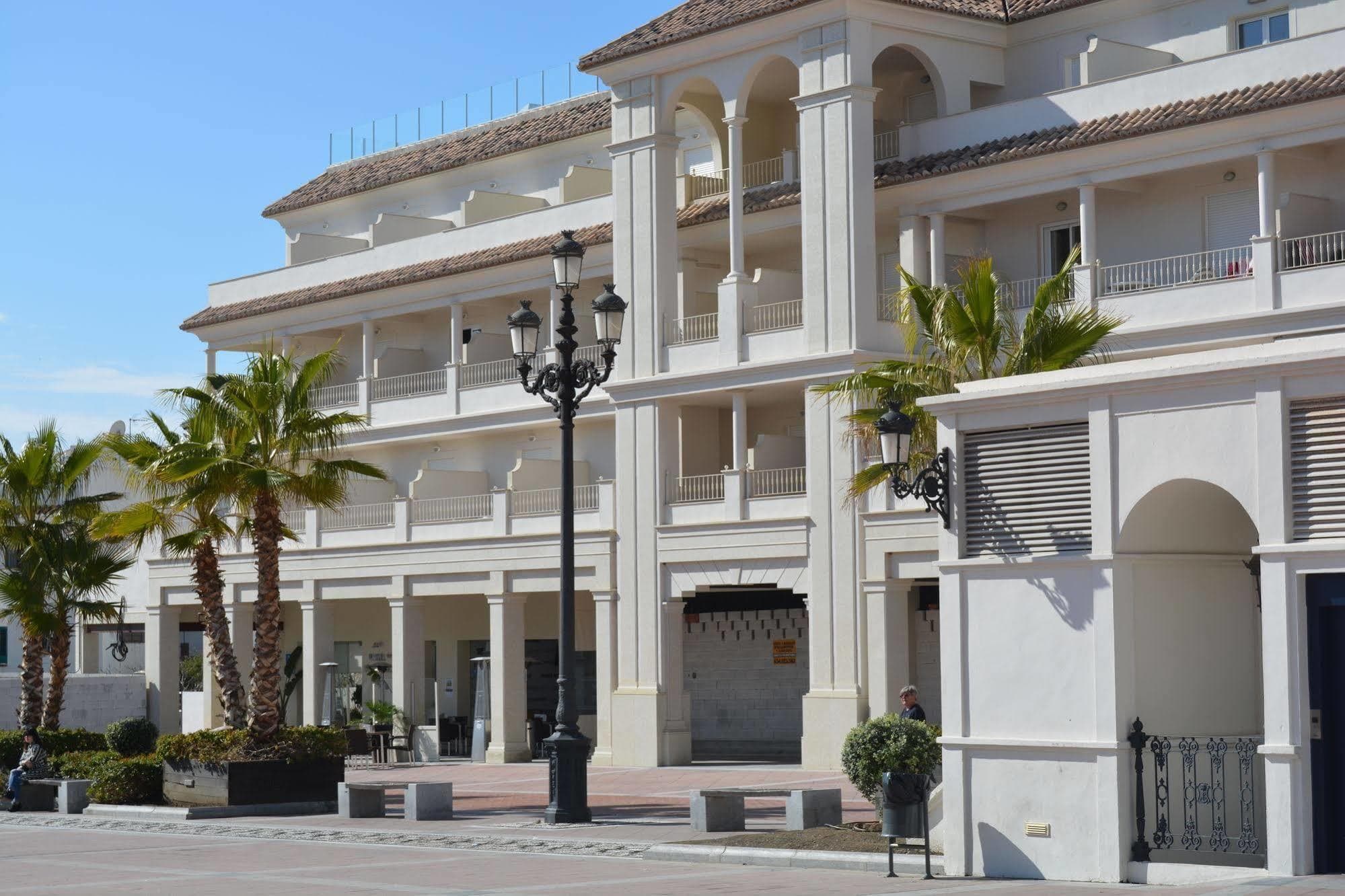
Nerja Caves: Worth the Short Trip Out
The Cuevas de Nerja are about 3 kilometres from the old town, and they're genuinely remarkable. The cave system stretches for over 4 kilometres and contains one of the largest known stalagmite columns in the world. The cave paintings inside are thought to be among the oldest in Europe.
You can get there by taxi (expect around €8 to €10 from the old town) or on foot along the coastal path, which takes about 40 minutes and is a pleasant walk in itself.
Tickets cost around €12 for adults and should be booked in advance in summer. The caves are significantly cooler than outside, so bring a light layer even on hot days. The Nerja Caves guide on this site has full ticket and booking information.
Frigiliana: The White Village Above Nerja
If you have a car, or if you don't mind a taxi, Frigiliana is 7 kilometres up into the hills above Nerja and is one of the best-preserved Moorish villages in Andalucía. The whitewashed streets are steep and narrow, the views back down to the coast are extraordinary, and there are several good restaurants and a local honey and raisin wine producer worth visiting.
A taxi from Nerja old town costs around €12 to €15 each way. There's also a local bus service, though it runs infrequently. Frigiliana is small enough to see in two to three hours, which makes it an easy half-day addition to a Nerja visit. It sits within the broader Axarquía comarca, a region of inland villages that remains largely off the main tourist circuit.
Best Time to Visit Nerja Old Town
Nerja is busy from late June through August. The old town becomes genuinely crowded in July and August, particularly around the Balcón de Europa and Calle Pintada. If you're coming in summer, do your old town walking in the morning before 11am or after 6pm. The midday heat in August is not conducive to enjoying much.
May, June, September, and October are the sweet spots. The weather is warm and reliable, the restaurants are fully open, and the streets are navigable. I'd particularly recommend late September and October, when the summer crowds have gone but the sea is still warm from months of sunshine.
Winter is quiet but not dead. Many restaurants and shops stay open year-round, and the old town has a pleasant unhurried quality from November to March. Expect daytime temperatures of 15 to 19 degrees Celsius, which is perfectly comfortable for walking.
The Feria de Nerja runs in mid-October and is a proper local celebration with flamenco, food stalls, and live music around the old town. If your dates overlap with it, don't rearrange them.
Practical Information for Visiting Nerja Old Town
Getting around: The old town is entirely walkable. Flat shoes are fine on the main streets, but Calle Carabeo and some of the side streets have uneven cobbles.
Money: Most restaurants and shops accept cards, but smaller tapas bars sometimes prefer cash. There's a Cajasur ATM on Calle Pintada and a CaixaBank on Calle Diputación.
Tourist information: The tourist office is on Calle Carmen, just off the Balcón de Europa. They have free maps and can advise on current opening times for the church and local attractions. The official Nerja tourism page lists current events and seasonal opening hours.
Beaches: The beaches closest to the old town are Playa de la Calahonda and Playa de la Caletilla, both accessible via steps from the cliff path below the Balcón. Playa de Burriana, about 1.5 kilometres east, is larger and has more facilities. The best beaches on the Costa del Sol guide covers the wider region if you're planning a beach-focused trip.
Day trip or overnight stay: Nerja works well as a day trip from Málaga, but it rewards an overnight stay. The old town has a different quality in the evening, when the day-trippers have gone and the local restaurants fill up. There are several good small hotels and apartment rentals within the casco histórico itself.
Combining with other towns: If you're touring the eastern Costa del Sol, Nerja pairs naturally with Málaga city, which has its own excellent old town, and with the inland villages of the Axarquía. The Málaga old town guide is a good companion to this one. If you're spending more time on the coast, the Marbella old town is another historic centre worth comparing.
Frequently Asked Questions
More in Nerja, Málaga: The Complete Travel Guide to Spain's Jewel

Balcón de Europa Nerja: Complete Visitor Guide
Balcón de Europa, Nerja: Everything You Need to Know Before You Visit
Read more →
Best Hotels in Nerja 2026: Where to Stay & What to Pay
# Best Hotels in Nerja 2026: Where to Stay, What to Pay and What to Avoid
Read more →Hotels in Nerja: Where to Stay, What to Pay & What to Avoid
Hotels in Nerja: Where to Stay, What to Pay, and What to Avoid
Read more →Málaga to Nerja: Every Way to Get There | Travel Guide
Málaga to Nerja: Every Way to Get There and What to Do When You Arrive
Read more →
Nerja Beach: Complete Guide to Every Beach in Nerja
Nerja Beach: Everything You Need to Know Before You Go
Read more →Nerja Restaurants: Where to Eat, What to Order & Skip
Nerja Restaurants: Where to Eat, What to Order, and What to Skip
Read more →Things to Do in Nerja: A Local's Complete Guide
Things to Do in Nerja: A Local's Complete Guide
Read more →Villa Rentals in Nerja: Prices, Areas & Booking Tips 2025
Villa Rentals in Nerja: What You Actually Get for Your Money
Read more →