
Torremolinos Beach Guide: Best Beaches, Food & Tips
You know, for a town often pigeonholed by its past, Torremolinos has a surprisingly long and varied coastline. We're talking about seven kilometres of sandy stretches, each with its own flavour. From the lively pulse of Playamar to the more relaxed feel of La Carihuela, there’s more to these beaches

By Anna Collins
Updated 3 April 2026
You know, for a town often pigeonholed by its past, Torremolinos has a surprisingly long and varied coastline. We're talking about seven kilometres of sandy stretches, each with its own flavour. From the lively pulse of Playamar to the more relaxed feel of La Carihuela, there’s more to these beaches than meets the eye. It’s not just one big beach. It's a collection of distinct areas that flow seamlessly into each other.
Getting Your Bearings: The Different Beachfronts
Torremolinos' coastline is essentially one long ribbon of sand, but locals and regular visitors know it divides into several distinct zones. Each part has its own feel and loyal following. You'll find it easy to walk from one to the next. The entire beachfront is connected by a wide, flat promenade, the Paseo Marítimo. This makes exploring simple.
Los Álamos Beach
Starting at the eastern end, closest to Málaga Airport, you'll find Los Álamos. This area has become quite a hotspot for younger crowds and those who enjoy beach clubs. It's where you'll hear the music pumping a bit louder. There are several popular chiringuitos and beach clubs here. They often have DJs playing throughout the day and into the evening. You can expect a more contemporary vibe here. Think daybeds, cocktails, and a livelier atmosphere. It's a popular spot for locals too, especially on weekends. Parking can be a bit easier to find here than further west.
Playamar Beach
Moving west from Los Álamos, you reach Playamar. This section is a good all-rounder. It's popular with families and couples alike. The sand is soft, and the water is generally calm. You'll find plenty of sunbeds and parasols for hire. There are also numerous chiringuitos and restaurants directly on the promenade. Playamar has a good mix of facilities. You'll see play areas for children and fitness equipment for adults. The promenade here is wide, making it pleasant for a stroll or a cycle. It's a little less frenetic than Los Álamos but still has a good buzz.
El Bajondillo Beach
This is the beach directly in front of the main town centre of Torremolinos. It's probably the most recognised stretch. To get down to El Bajondillo from the town, you can take the steps, a public lift, or the winding streets. The lift, near Calle San Miguel, costs around €0.50 per ride. El Bajondillo is usually busy. It has all the typical beach amenities you'd expect. There are lots of shops, cafés, and restaurants lining the promenade. You'll find a wide variety of places to eat and drink. It's convenient if you're staying in the town centre.
La Carihuela Beach
Continuing west, past El Bajondillo, you'll enter La Carihuela. This area has a slightly different character. It feels a bit more traditional and has a strong fishing village heritage. The promenade becomes a little narrower in places. La Carihuela is famous for its seafood restaurants. Many people come specifically for the espetos de sardinas here. You'll notice a more relaxed, almost village-like atmosphere. It’s popular with older visitors and families seeking a quieter experience. You can find out more about this specific area on our La Carihuela Torremolinos page. It's a personal favourite of mine for a relaxed lunch.
Book tours and activities in Torremolinos
Sun, Sand, and Sea: What to Expect
When you come to Torremolinos, you're here for the beach. So, let's talk about what you'll find when you get your toes in the sand. The entire coastline here is sandy. It's generally a fine, dark golden sand, not the bright white variety you might find elsewhere. It gets very hot underfoot in summer, so flip-flops or sandals are essential.
The Mediterranean Sea here is usually calm and clear. The water temperature is pleasant for swimming from late May through to October. In July and August, it can feel like a warm bath. You'll find the seabed slopes gently. This makes it a good spot for families with younger children. The water depth increases gradually.
Sunbeds and Parasols
You'll see rows of sunbeds and parasols available for hire along all sections of the beach. These are managed by the chiringuitos or independent operators. Expect to pay around €6 to €8 for a sunbed for the day. A parasol will be a similar price. Sometimes you can get a deal for two sunbeds and a parasol. It's a good idea to secure one early in the morning during peak season. You can usually pay directly to the attendant or at the nearest chiringuito.
Facilities and Safety
All the main beach areas have public showers, often cold water, for rinsing off sand and salt. You'll also find public toilets at regular intervals along the promenade. These are usually clean and well-maintained. Lifeguards are on duty during the main summer season, typically from June to September. They operate from watchtowers along the beach. Always pay attention to the flag system. A green flag means safe swimming, yellow means caution, and red means no swimming.
The beaches are cleaned daily, usually in the early mornings. This keeps them tidy. Rubbish bins are plentiful along the promenade. Please use them.
Eating and Drinking by the Sea: Chiringuito Culture
You can't talk about Torremolinos beach without talking about the chiringuitos. These beachside restaurants are an institution here. They serve up fresh seafood, cold drinks, and a relaxed atmosphere. They're not fancy, but they are authentic.
What to Order
The absolute must-try is espetos de sardinas. These are fresh sardines skewered on a cane and grilled over an open wood fire in a sand-filled boat. You'll see these fires dotted along the beachfront. They're simple, delicious, and cheap, usually around €4-€6 for a plate of five or six sardines. You eat them with your fingers.
Beyond sardines, look for fritura malagueña. This is a plate of mixed fried fish. It typically includes small fish like anchovies (boquerones), squid (calamares), and sometimes prawns. It's a great way to try a bit of everything. Expect to pay €12-€18 for a good portion. Other popular dishes include paella, grilled prawns (gambas a la plancha), and fresh salads.
For drinks, a cold caña (small beer) or a tinto de verano (red wine with lemonade) are perfect on a hot day. Expect to pay €2-€3 for a caña. Soft drinks are around €2.50.
My Picks for Chiringuitos
- Chiringuito El Gato (La Carihuela): This place is a long-standing favourite. They do excellent espetos and fried fish. It's often busy, which is usually a good sign. You'll find it towards the western end of La Carihuela.
- Chiringuito Los Nidos (Playamar): Good for families, with a play area nearby. They have a varied menu beyond just fish. It’s a reliable choice for a casual lunch.
- Chiringuito El Sardinero (El Bajondillo): Another solid option for traditional fried fish and a lively atmosphere. It's easy to get to from the town centre.
Don't be afraid to just pick one that looks busy and has a good vibe. Most chiringuitos along the Torremolinos beach are pretty decent.
Activities on the Water and Land
The beaches of Torremolinos aren't just for sunbathing. There's plenty to keep you active, both in the water and along the promenade.
Water Sports
You'll find various water sports operators dotted along the beach. They typically set up kiosks or small stands.
- Pedal Boats: These are great for families. Some even come with a small slide. You can rent them by the hour. Expect to pay around €15-€20 for an hour.
- Paddleboarding (SUP): Stand-up paddleboarding has become very popular. It's a lovely way to explore the coastline from the water. You can rent boards for around €10-€15 for an hour. Lessons are also available if you're a beginner.
- Jet Skis: For something a bit more exhilarating, jet skis are usually available. You'll need to follow safety instructions. Prices vary but budget around €50-€70 for 15-20 minutes.
- Parasailing: If you fancy a bird's-eye view of the coast, parasailing is an option. It's a fantastic experience. Prices are typically €50-€70 per person.
- Banana Boats and Inflatables: These are fun group activities. You're towed behind a speedboat. Expect to pay around €10-€15 per person for a ride.
Most water sports operate from June to September. Always check the weather conditions and listen to the operators.
Along the Paseo Marítimo
The Paseo Marítimo is a hive of activity itself. It stretches for miles.
- Walking and Jogging: It's a fantastic place for a morning jog or an evening stroll. You can walk all the way from Los Álamos to Benalmádena Marina without interruption. That's a good 7-8 kilometre walk.
- Cycling: You'll see people cycling, rollerblading, and scooting along the promenade. There are bike rental shops in Torremolinos town and along the beach. Expect to pay around €10-€15 for a half-day bike rental.
- Beach Volleyball: Some sections of the beach have nets set up for volleyball. You'll often see groups playing.
- Outdoor Gyms: In some areas, particularly Playamar and Los Álamos, there are free outdoor gym machines. These are popular with locals.
- Children's Play Areas: There are several dedicated play parks for children right on the sand or just off the promenade.
Getting To and Around the Beaches
Torremolinos is well-connected, making its beaches very accessible.
From Torremolinos Town Centre
If you're staying in the main town, getting to El Bajondillo beach is straightforward.
- Steps: There are numerous sets of steps that lead down from the town centre to the promenade. They're steep in places but offer good views.
- Lift: The public lift (ascensor) is located near the end of Calle San Miguel. It's a quick way down. It costs around €0.50. It usually operates from 9 AM to midnight.
- Calle de las Mercedes: This street winds its way down from the town centre to the beach. It's a gentler incline than the steps.
By Train (Cercanías C1)
The Cercanías C1 train line runs along the coast from Málaga city to Fuengirola. It's an excellent way to get to different parts of Torremolinos beach. You can find more information on the official Renfe Cercanías Málaga website.
- Torremolinos Station: This station drops you in the town centre. From there, you'll walk down to El Bajondillo beach.
- Montemar Alto Station: This is a good option if you're heading to the western end of La Carihuela. You'll have a walk downhill from the station.
- El Pinillo Station: Also for the western side of La Carihuela, a similar walk downhill.
- Los Álamos Station: This station is right by Los Álamos beach. It's probably the most convenient station for direct beach access.
Where to Stay
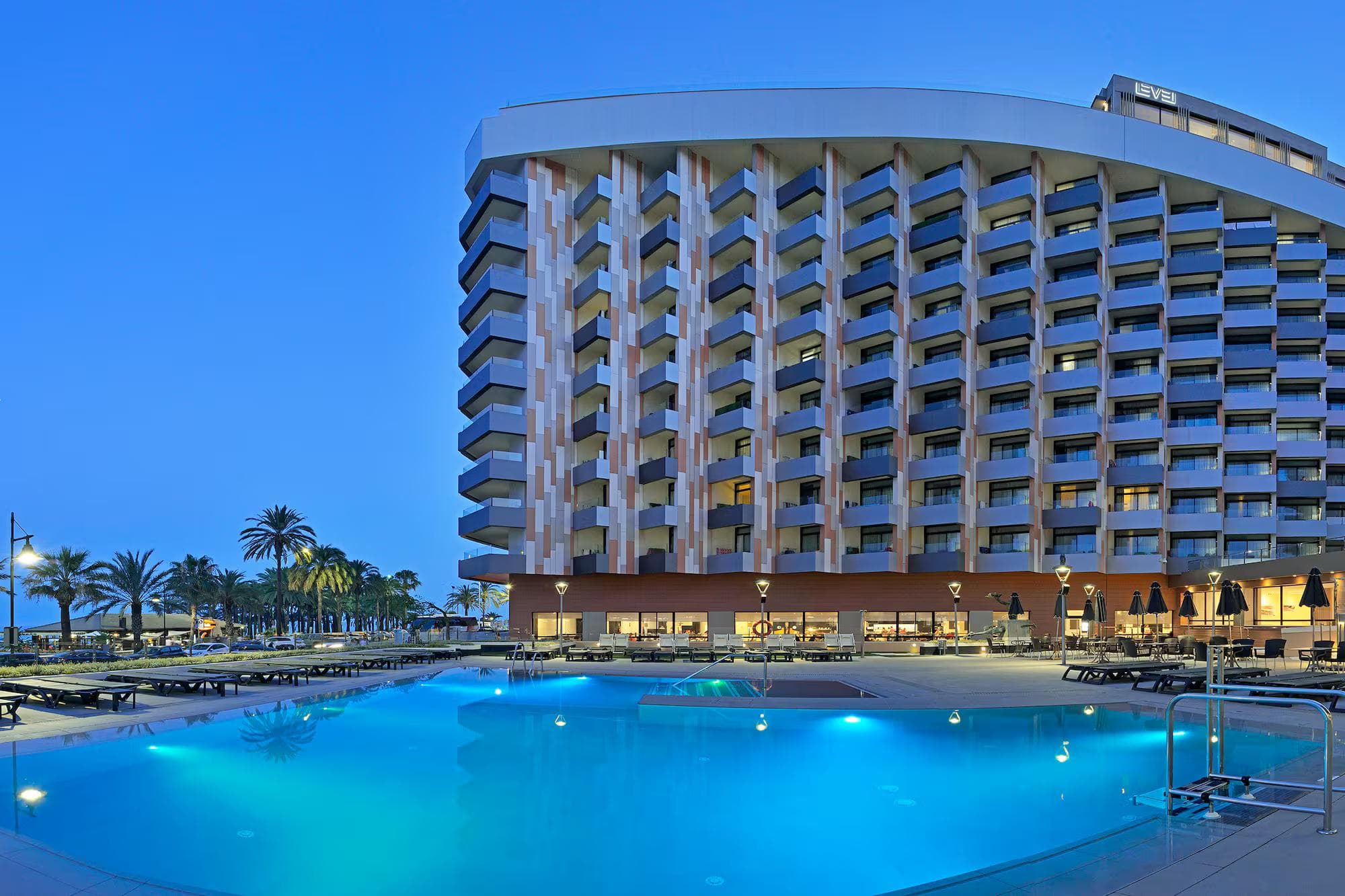
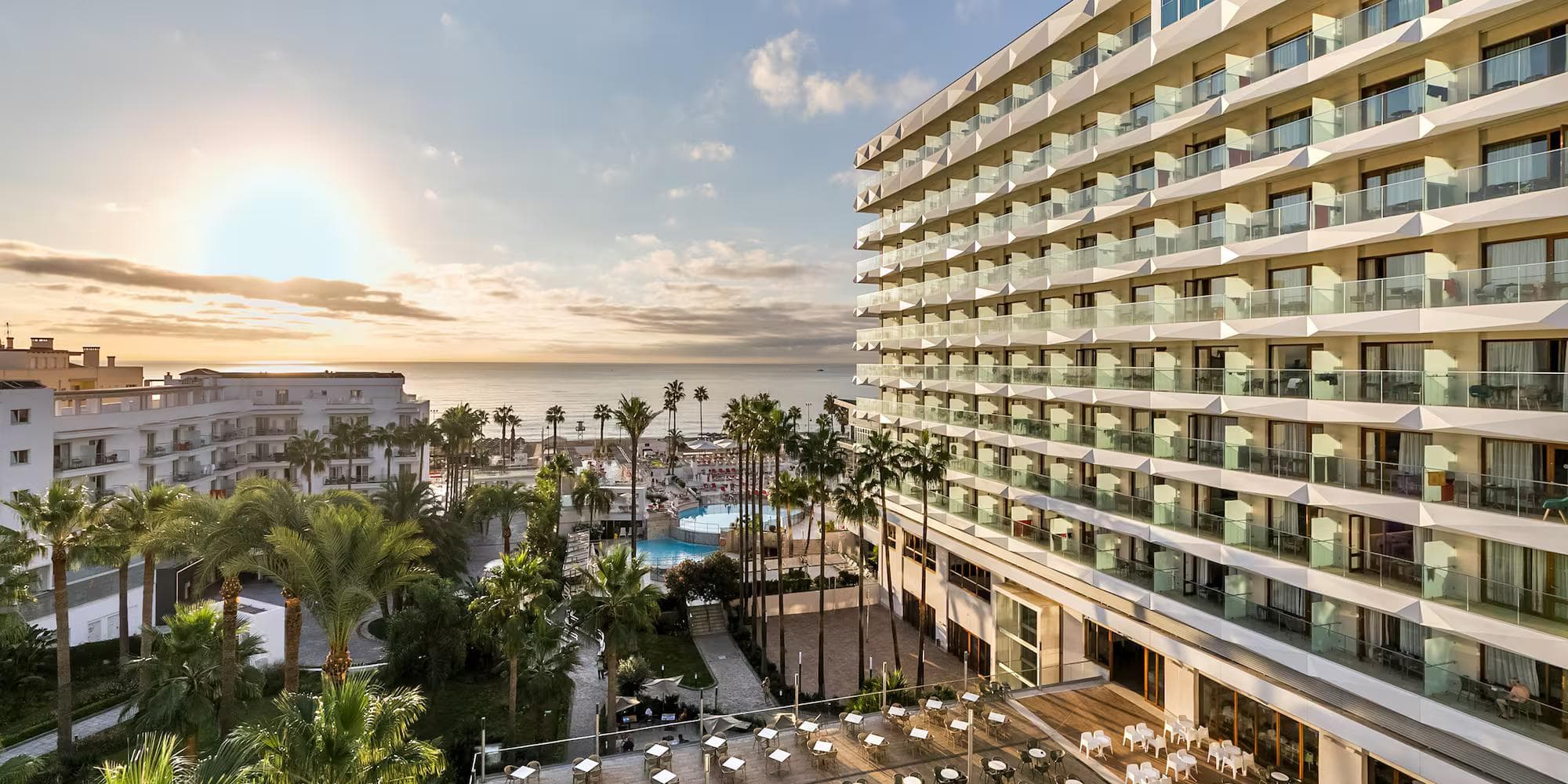
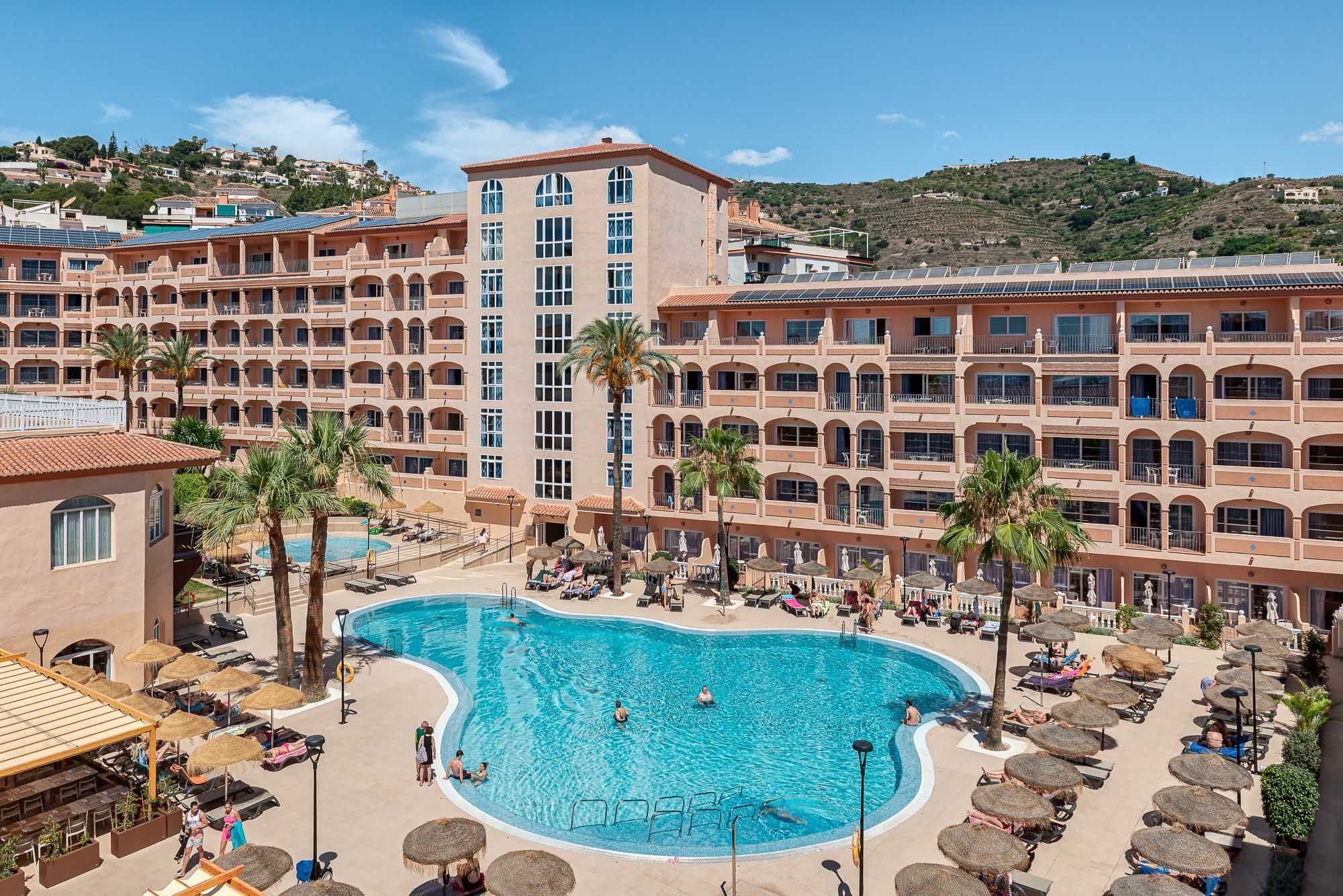
Where to stay in Torremolinos
A single ticket from Torremolinos town to Los Álamos costs around €1.80. The trains are frequent, typically every 20 minutes.
By Bus
Local bus services connect different parts of Torremolinos. The L1 bus route covers a good portion of the beachfront. Check the local bus timetables at stops or online. A single journey usually costs around €1.30. Intercity buses also stop in Torremolinos, connecting it to other towns like Benalmádena and Fuengirola.
By Car
If you're driving, parking can be a bit challenging, especially in summer.
- Underground Parking: There are several underground car parks in the town centre. Prices vary, but expect to pay €1.50-€2.50 per hour.
- Street Parking: Some street parking is available, but it's often metered (blue zones). Look for the blue lines on the road. You'll need to pay at a machine. White lines mean free parking, but these spots are rare.
- Los Álamos: This area generally has more street parking options, some of which are free.
It's often easier to use public transport or walk if you're staying locally.
Best Time to Visit and Practical Tips
Choosing the right time to visit can make a big difference to your beach experience.
Seasons
- Summer (June - August): This is peak season. The weather is hot, the sea is warm, and the beaches are packed. Expect lively atmospheres, full chiringuitos, and plenty of activity. If you like a buzz and don't mind crowds, this is your time. Book accommodation and sunbeds in advance if you can.
- Spring (April - May) and Autumn (September - October): These are often the sweet spots. The weather is still warm and sunny, but the intense heat and crowds of summer have subsided. The sea is warm enough for swimming, especially in September and October. Prices for flights and accommodation can be lower too. It's my favourite time to enjoy the beaches.
- Winter (November - March): The beach is much quieter. You'll still get plenty of sunny days, but it's generally too cool for swimming unless you're very hardy. It's perfect for long walks along the promenade. Many chiringuitos remain open, especially on sunny weekends. Temperatures are mild, usually around 15-20°C.
Practical Tips
- Sun Protection: The sun here is strong, even on cloudy days. Always use high-factor sun cream. Reapply it frequently, especially after swimming. Wear a hat and sunglasses. Seek shade during the hottest parts of the day (1 PM - 4 PM).
- Footwear: As I mentioned, the sand gets incredibly hot in summer. Wear flip-flops or sandals right up to the water's edge.
- Hydration: Drink plenty of water throughout the day. You can buy cold drinks at any chiringuito or beach kiosk.
- Valuables: Don't leave valuables unattended on the beach. While generally safe, it's always wise to be cautious. Only take what you need to the beach.
- Accessibility: The Paseo Marítimo is flat and mostly smooth, making it accessible for wheelchairs and prams. Some beach areas, particularly El Bajondillo and La Carihuela, have wooden walkways that extend closer to the water. Some beaches even offer assisted bathing services during summer for people with reduced mobility. These usually need to be booked in advance through the local tourist office.
- Evening Strolls: The promenade takes on a different charm in the evenings. It's cooler, and families come out for a walk. The lights of the chiringuitos create a lovely atmosphere. It's a great time for an ice cream.
Beyond the Immediate Beachfront
While the beaches are undoubtedly the main draw, don't forget there's more to explore just a stone's throw away. The town of Torremolinos itself has plenty to offer. You can find more details on our main /torremolinos/ page.
A short walk or bus ride west from La Carihuela will bring you to Benalmádena Marina. This marina is a beautiful spot with plenty of restaurants, shops, and boat trips. It's a real change of scenery from the main Torremolinos beach. You could easily spend a few hours there. We have a full guide to /benalmadena/marina/ if you want to know more.
If you head inland from El Bajondillo, you'll reach the main shopping street, Calle San Miguel. It's pedestrianised and usually buzzing with activity. You'll find souvenir shops, fashion boutiques, and plenty of places for a coffee or a tapas lunch. For more general information about the area, check out the official Visit Costa del Sol tourism website.
For a bit of greenery, the Parque de la Batería is a lovely park just a short walk from Montemar Alto train station. It has a lake, paddle boats, and even an old battery with cannons. It offers a peaceful contrast to the lively beach.
Torremolinos beach is more than just a place to sunbathe. It's a living, breathing part of the Costa del Sol. It offers a genuine slice of Spanish beach life. You'll find good food, warm waters, and a friendly atmosphere. It's a place where you can relax or be as active as you like. You'll find your own favourite spot along its long sandy stretch.
Frequently Asked Questions
More in Things to Do in Torremolinos: Beaches, Culture & Day Trips

RIU Costa del Sol Review: Torremolinos All-Inclusive Done Well
One of Torremolinos's best-known resorts — here's the honest view on whether it delivers.
Read more →
Top Things to Do in Torremolinos: A Local's Guide
You know, for a place often pegged as an old-school package holiday spot, Torremolinos has a surprising amount of green space. It’s not all beach and bars, though you'll find plenty of those too. I’ve lived down the road for over a decade, and I’ve seen Torremolinos evolve, keeping its lively spirit
Read more →Torremolinos Nightlife: Bars, Clubs & Live Music Guide
Torremolinos has a funny reputation, doesn't it? For decades, it was the poster child for package holidays, then went a bit quiet. But if you think it's just cheap pints and karaoke, you're missing the point. The town has reinvented itself, especially when the sun goes down. You'll still find plenty
Read more →