
Top Things to Do in Estepona, Málaga: A Local's Guide
Most people come to Estepona expecting another busy Costa del Sol resort, but they're often surprised. You'll notice it immediately when you step into the old town: hundreds of flower pots, each one different, hanging from whitewashed walls. The town council even employs a team just to look after th

By Anna Collins
Updated 4 April 2026
Most people come to Estepona expecting another busy Costa del Sol resort, but they're often surprised. You'll notice it immediately when you step into the old town: hundreds of flower pots, each one different, hanging from whitewashed walls. The town council even employs a team just to look after them. It's a genuine effort to make the place beautiful, and it gives Estepona a distinct character you won't find in many other coastal towns.
Getting Your Bearings in Estepona
Estepona sits on the western side of the Costa del Sol, about an hour's drive west of Málaga airport. It's well-connected but far enough from the airport to feel a bit more relaxed than places closer to Málaga city. Think of it as a proper Spanish town that happens to have great beaches and tourist facilities, rather than a purpose-built resort.
Getting There from Málaga Airport (AGP):
- Car Hire: This is usually the easiest way if you plan to explore the wider region. You can pick up a car directly at the airport. Driving to Estepona takes roughly 50-60 minutes on the AP-7 toll road. Expect to pay around €8-€12 in tolls each way, depending on the season and time of day. The A-7 coastal road is free but much slower, especially in summer.
- Direct Bus: The Avanza bus company runs direct services from Málaga airport to Estepona. Check their website (avanzabus.com) for up-to-date schedules. The journey takes about 1 hour 15 minutes to 1 hour 30 minutes. A single ticket usually costs around €12-€15. The bus station in Estepona is on Avenida Litoral, a short walk or taxi ride from the centre.
- Taxi/Transfer: A taxi from the airport will set you back about €90-€120. Pre-booked private transfers can sometimes be a bit cheaper, around €80-€100. This is a good option if you're arriving late or have lots of luggage.
Getting Around Estepona:
Once you're in Estepona, the town centre and marina are very walkable. You won't need a car for daily strolls.
- Local Buses: Estepona has a good local bus service, L-1, L-2, L-3, L-4, L-5, that connects the old town, marina, and residential areas. A single ticket typically costs €1.15. You can buy tickets directly from the driver. Look for the 'Parada de Autobús' signs.
- Taxis: Taxis are readily available at ranks, especially near the marina and the main promenade. A short ride within town will be about €6-€10. They're metered, but it's always wise to confirm an approximate fare for longer journeys.
Estepona's Old Town: The Flower Garden
Estepona's old town, or Casco Antiguo, is probably its biggest draw. They've spent years renovating it, and the results are fantastic. Forget the usual tourist traps; this feels like a real, living Spanish village, just a few minutes from the beach.
The town launched its 'Garden of the Costa del Sol' project years ago. Each street has a different colour of flower pot, and they're always full of geraniums, bougainvillea, and petunias. It's a joy to wander without a map. Just let yourself get lost.
Key Spots to Look Out For:
- Plaza de las Flores: This is the heart of the old town. It's a lovely square shaded by orange trees, with plenty of cafes and restaurants spilling out onto the paving. Grab a coffee or a glass of wine and watch the world go by. Bar El Callejón is a reliable spot for a drink and some tapas here.
- Calle Terraza and Calle Real: These are the main shopping streets, running parallel to the coast. You'll find local boutiques, shoe shops, and a few souvenir places. They're pedestrianised and pleasant for a browse.
- Torre del Reloj (Clock Tower): You'll spot this old bell tower near Plaza de las Flores. It's all that remains of the original 15th-century church. It's a nice photo opportunity and a good landmark.
- Castillo de San Luis Ruins: Just a short walk from the clock tower, you'll find the remains of the old castle walls. There isn't much left, but it gives you a sense of Estepona's history. It's free to walk around.
- Museo Etnográfico: This small ethnographic museum on Calle San Fernando shows you what life was like in Estepona in times gone by. It's a quick visit, usually only a few euros entry. It's interesting to see the traditional tools and crafts.
- Orchidarium (Orquidario de Estepona): This impressive glass dome houses over 1,300 species of orchids. It's a truly beautiful place, especially on a hot day. The waterfall inside is quite something. Entry is typically around €3-€5. It's usually open from 10:00 to 18:00, but check their website for current times, as they can vary. You'll find it on Calle Terraza, near the Parque Botánico-Orquidario.
Don't rush your visit to the old town. Take your time, explore the narrow lanes, and discover the small squares. You'll find plenty more specific details and routes in our dedicated guide to /estepona/old-town/.
Book tours and activities in Estepona
Beaches and the Promenade: Sun, Sea, and Sand
Estepona has some fantastic beaches, and they're generally cleaner and less crowded than those closer to Málaga city. The Paseo Marítimo (promenade) stretches for miles, connecting the marina to the old town and beyond. It's perfect for a morning run or an evening stroll.
My Favourite Beaches:
- Playa de la Rada: This is Estepona's main town beach, running right alongside the promenade. It's a long, wide sandy beach with plenty of space. You'll find showers, toilets, sunbed rentals (expect to pay around €6-€8 for a sunbed and umbrella for the day), and easy access to chiringuitos (beach bars) and restaurants. The sand is dark, typical for this part of the coast, but it's well-maintained.
- Playa del Cristo: If you're travelling with kids, or just prefer calmer waters, this beach is ideal. It's in a sheltered cove to the west of the marina, so the water is usually very still and shallow. It's popular with families and has a couple of decent chiringuitos right on the sand. Get there early in summer to grab a good spot, as it fills up quickly. It's a 15-20 minute walk from the marina, or a short taxi ride.
- Playa Bahía Dorada / Playa Arroyo Vaquero: For a quieter experience, head further west. These beaches are more natural, with fewer facilities, but they're great if you want to escape the crowds. You'll likely need a car to reach them easily.
Chiringuitos:
You'll find plenty of chiringuitos along the promenade. They're great for a casual lunch of espetos de sardinas (sardines cooked on a skewer over an open fire, usually around €8-€10 a plate) or a refreshing drink.
- Chiringuito La Rada: Right on Playa de la Rada, this spot is reliable for fresh seafood and a good atmosphere.
- Palm Beach: On Playa del Cristo, it's a popular choice for its location and relaxed vibe.
- El Pescador: A bit further along the promenade towards the marina, known for its traditional fish dishes.
Water Sports:
During summer, you can usually find places to hire paddleboards, kayaks, or even jet skis along Playa de la Rada and Playa del Cristo. Prices vary, but expect to pay around €10-€15 for an hour's paddleboard rental.
For more general information on the Costa del Sol's shores, you can check our guide to /beaches/.
Estepona Marina: Boats, Bites, and Nightlife
Estepona's marina is a lively spot, a bit more modern than the old town, but still with a relaxed Spanish feel. It's where you'll find most of the evening entertainment and a good selection of restaurants.
Things to Do at the Marina:
- Sunday Market: Every Sunday morning, the marina hosts a popular street market. You'll find everything from clothes and jewellery to leather goods and local crafts. It's a nice place to pick up souvenirs or just enjoy the atmosphere. It usually runs from around 9:00 to 14:00.
- Boat Trips: Several companies offer boat trips from the marina. You can go dolphin watching (expect to pay around €25-€40 per person for a 2-3 hour trip), fishing, or simply enjoy a coastal cruise. Look for the kiosks near the main pontoon.
- Restaurants and Bars: The marina is packed with places to eat and drink. You'll find a mix of Spanish, Italian, and international cuisine.
La Escollera:* This is a classic for fresh seafood. It's not fancy, but the fish is excellent and caught locally. Expect to pay around €20-€30 per person for a main course and drinks.
Restaurante El Cazador:* Good for traditional Spanish meat dishes.
Reinaldo's:* A popular spot for pizza and Italian food, often busy with families.
For a relaxed drink, Bar La Pepa* is a good local choice.
Nightlife:
The marina offers a good selection of bars, many with outdoor terraces where you can enjoy a drink as the sun sets. It's generally a more subdued nightlife compared to, say, Puerto Banús, but you'll find places open late.
- Havana Bar: Often has live music and a good atmosphere.
- Bar La Palma: A classic, no-frills Spanish bar where you can have a beer and some olives.
The marina is a great place to spend an evening, whether you're looking for a quiet meal or a few drinks.
Beyond the Town Centre: Parks, Arts, and Nature
Estepona isn't just about the old town and beaches. There's plenty to explore a little further afield, from art on the streets to proper wildlife encounters.
Street Art and Sculptures:
Estepona has embraced street art in a big way. They've commissioned large-scale murals on the sides of buildings, turning the town into an open-air art gallery.
- Mural Route (Ruta de Murales Artísticos): Grab a map from the tourist office or just keep your eyes peeled. There are over 50 murals now, depicting everything from fishermen to a girl watering her plants. One of the most famous is 'Día de Pesca' (Fishing Day) on Calle Terraza, covering an entire apartment block. It's genuinely impressive.
- Sculpture Route: Along the promenade and in various squares, you'll find a growing collection of sculptures by local and international artists. The 'Monument to the Tourist' on the promenade is a popular spot.
Parks and Gardens:
- Parque de San Isidro Labrador: This park, a bit inland from the old town, is home to the Ermita del Calvario chapel. It's a peaceful spot with lovely views over the town and out to sea. It's especially popular during the San Isidro festival in May.
- Parque del Calvario: Another green space, good for a quiet walk.
- Parque de los Niños: A dedicated children's park with playgrounds, if you're travelling with little ones.
Selwo Aventura:
This is a large wildlife and adventure park located a few kilometres east of Estepona, towards Marbella. It's not a zoo in the traditional sense; animals like giraffes, rhinos, and lions roam in large enclosures designed to mimic their natural habitats.
- Activities: Beyond seeing the animals, you can cross suspension bridges, try zip-lining, or take a safari truck ride.
- Tickets: Entry is usually around €25-€30 for adults, with discounts for children. It's a full-day activity.
- Getting There: You'll need a car or a taxi. There's a dedicated bus service from Estepona in summer, but check their official website for details. It's about a 15-minute drive from Estepona centre.
Sierra Bermeja:
For those who love hiking and nature, the Sierra Bermeja mountains rise dramatically behind Estepona. The name means "red mountain range" because of the reddish peridotite rock.
- Hiking: There are numerous trails, ranging from easy walks to more challenging hikes. You can find maps at the tourist office or online.
- Views: From higher points, you can get incredible views across the Mediterranean, sometimes even seeing Gibraltar and the coast of Africa on a clear day.
- Los Reales de Sierra Bermeja Natural Park: This park is home to a unique Spanish fir forest (Pinsapar). It's a cooler escape during the hotter months.
Eating and Drinking in Estepona: My Local Picks
One of the best parts of living here is the food, and Estepona doesn't disappoint. You'll find everything from traditional Spanish tapas to international cuisine, but I always recommend sticking to the local stuff for the best experience.
Tapas Culture:
Tapas are a way of life here. Don't expect huge portions; it's about trying lots of small dishes. A caña (small beer) or a copa de vino (glass of wine) with a tapa is a classic Spanish evening. Expect to pay €2-€4 per tapa, and €2-€3 for a drink.
- El Tejar: A local favourite in the old town, on Calle Real, known for its traditional tapas and friendly atmosphere. Try their gambas al pil-pil (sizzling garlic prawns).
- La Taberna del Curro: On Calle Caridad, another solid choice for classic Spanish tapas and a good selection of wines.
- Bar Estepona: Near the promenade, it's a bustling spot with a wide range of seafood tapas.
Seafood Specialities:
Being a coastal town, Estepona excels at fresh seafood.
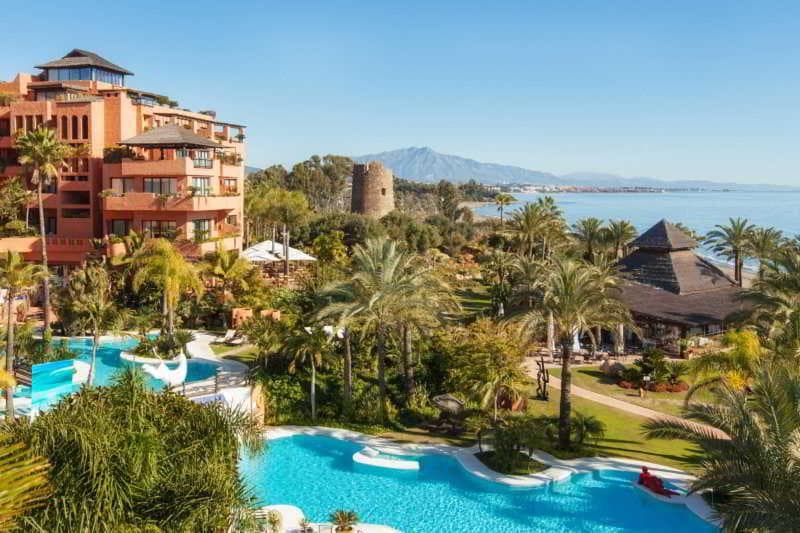
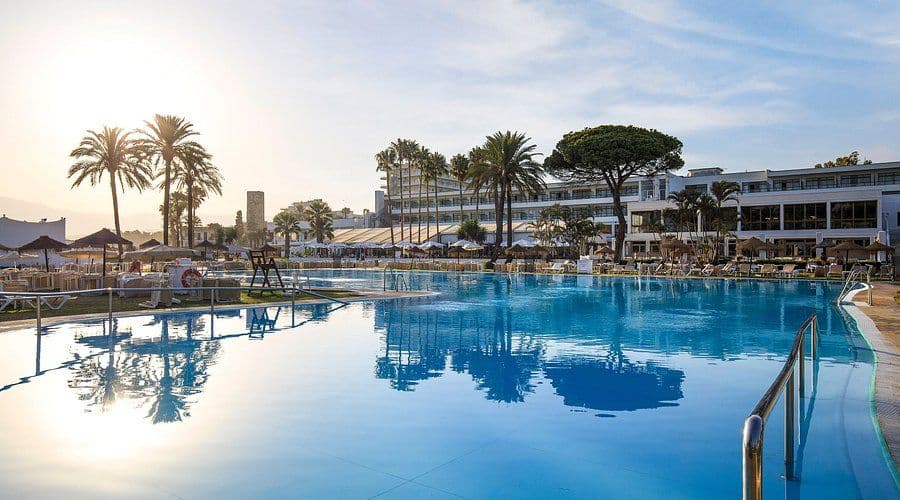
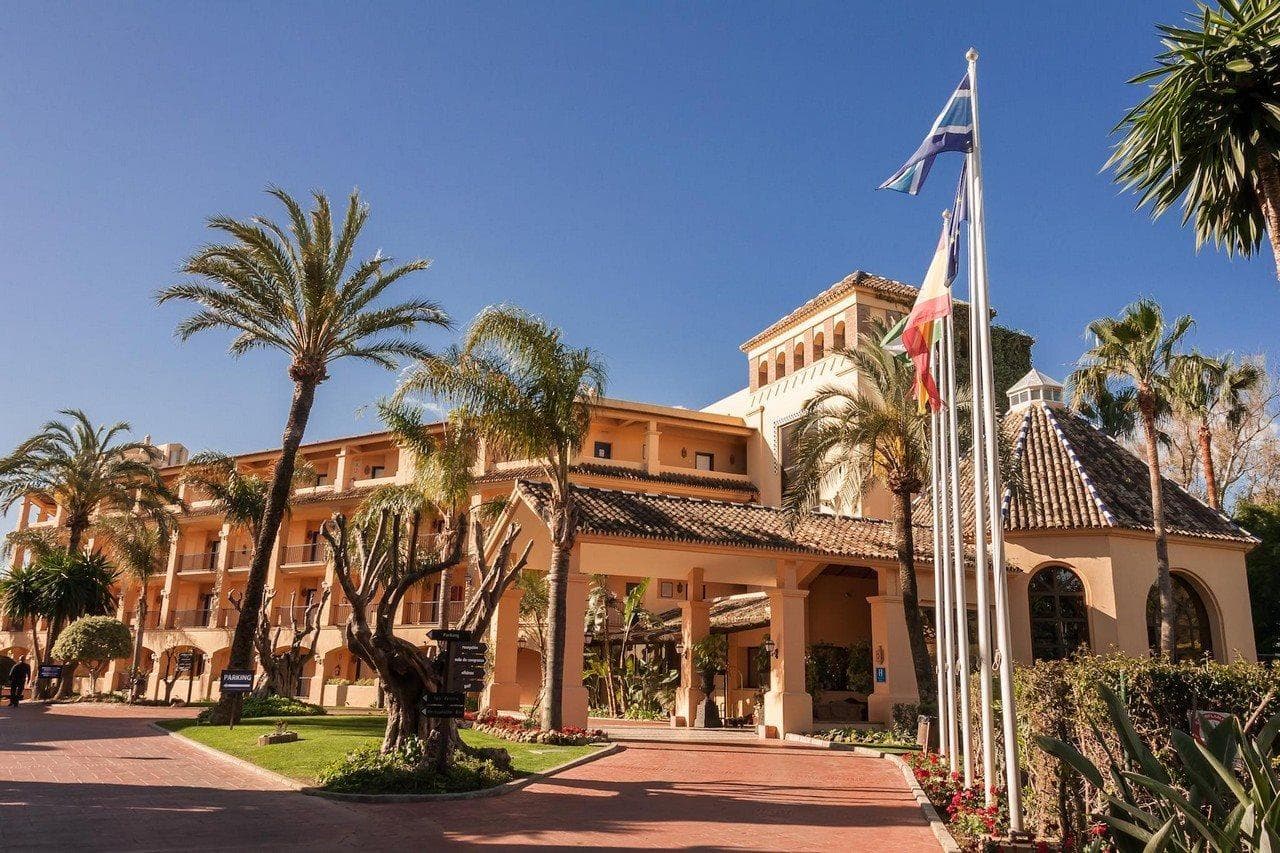
Where to Stay
Where to stay in Estepona
- Espetos de Sardinas: You'll see these being cooked on small boats filled with sand on most chiringuitos along the beach. They're simple, fresh, and delicious.
- Fried Fish (Pescaito Frito): A platter of mixed fried fish (boquerones, calamares,rosada) is a must-try.
- Marisquerías: Restaurants specialising in shellfish. Try Marisquería El Palangre on the promenade for a slightly more upscale experience, or La Escollera in the marina for a more rustic, authentic feel.
Other Local Flavours:
- Gazpacho/Salmorejo: Cold tomato soups, incredibly refreshing in summer.
- Ajoblanco: Another cold soup, made with almonds, garlic, and bread, often served with grapes.
- Churros con Chocolate: For breakfast or an afternoon treat, head to Churrería La Artesana on Calle Caridad for fresh churros and thick chocolate. Expect to pay around €3-€5.
My Go-To Places:
- For a relaxed, authentic Spanish lunch, I often head to Bar Los Rosales in the old town. It's small, family-run, and serves excellent homemade food at good prices. Their daily specials are always worth asking about.
- If you're after something a bit more modern, El Balcón in the old town offers creative Mediterranean dishes with a lovely atmosphere. Mains are around €18-€25.
- For a simple, good value breakfast, many small cafes in the old town offer a tostada con tomate y jamón (toast with tomato and Iberian ham) and a coffee for around €3-€4. Cafe de la Plaza on Plaza de las Flores is a good option for people-watching.
Don't be afraid to try places that look busy with locals. That's usually a good sign.
Day Trips from Estepona: Exploring Further Afield
Estepona's location makes it a great base for exploring more of Andalucía. You're well-placed for both coastal towns and inland villages.
- Ronda: This historic town, perched dramatically on a gorge, is a classic day trip. The Puente Nuevo bridge is an incredible sight. It's about an hour's drive inland. You'll find a detailed guide on /day-trips-from-malaga/ronda/. Expect to pay about €2.50 to walk down to the bottom of the gorge for the best views of the bridge.
- Casares: Just 20 minutes inland from Estepona, Casares is one of the most striking pueblos blancos (white villages). It clings to a steep hillside beneath a Moorish castle. It's small, so you can explore it in a couple of hours. Grab a coffee in the main square and enjoy the views.
- Gibraltar: If you fancy a taste of Britain abroad, Gibraltar is about a 45-minute drive from Estepona. Remember your passport! Parking can be tricky, so consider parking on the Spanish side (La Línea de la Concepción) and walking across the border. Don't miss the macaques on the Rock and St. Michael's Cave. Be aware of potential queues at the border, especially during peak season.
- Marbella and Puerto Banús: For a change of pace, the glamour of Marbella and its famous marina, Puerto Banús, are just 20-30 minutes east. See the luxury yachts, designer shops, and lively nightlife. Our guides on /marbella/ and /marbella/puerto-banus/ will give you plenty of ideas.
- Málaga City: The capital of the province is a bit further, about an hour by car or direct bus (Avanza). It's a fantastic city for culture, with the Picasso Museum, the Alcazaba, and a lively old town. It's definitely worth a day trip, or even an overnight stay. Find out more in our /malaga/ guide.
- Tarifa: If you're into watersports, especially kitesurfing or windsurfing, head to Tarifa, about an hour's drive west on the Atlantic coast. It's known for its strong winds and laid-back, bohemian vibe.
Remember that a car makes these day trips much easier. Public transport options are available for some, but often involve changes and longer journey times.
Practical Tips for Your Estepona Holiday
After living here for over a decade, I've picked up a few things that might make your trip smoother.
Best Time to Visit:
- Spring (April-May): My favourite time. The weather is warm (around 20-25°C), the flowers in the old town are at their best, and it's not too crowded.
- Summer (June-August): Hot (often 30°C+), sunny, and busy. Great for beach holidays, but book accommodation and popular restaurants well in advance. July and August are peak season.
- Autumn (September-October): Still warm and pleasant (20-28°C), with fewer tourists than summer. The sea is still warm enough for swimming.
- Winter (November-March): Mild and sunny days are common (15-20°C), but you can get rain. It's much quieter, good for hiking and exploring without the heat. Many chiringuitos and some smaller shops might close for a few weeks in January/February.
Language:
While many people in tourist areas speak some English, a few basic Spanish phrases will go a long way. Hola (hello), gracias (thank you), por favor (please), la cuenta, por favor (the bill, please), and ¿Cuánto cuesta? (how much does it cost?) are always appreciated.
Siesta:
Don't be surprised if some smaller shops and businesses close between roughly 14:00 and 17:00, especially outside the main summer season. This is the traditional siesta time. Plan your shopping or errands accordingly. Restaurants, however, are usually open for lunch during this period.
Money and Tipping:
- The currency is the Euro (€). Credit and debit cards are widely accepted, but it's always good to carry some cash for small purchases, market stalls, or smaller tapas bars.
- Tipping isn't as ingrained as in the UK/Ireland. For good service in restaurants, rounding up the bill or leaving 5-10% is common, but not obligatory. For a quick coffee or drink, leaving a few coins is fine.
Safety:
Estepona is a very safe town. Like anywhere, be aware of your belongings in crowded areas like markets or busy tourist spots. Don't leave valuables unattended on the beach. More information on local safety can be found on the official tourism website.
Local Customs:
- Dinner is eaten late here, typically from 20:30 onwards. If you arrive at a restaurant at 19:00, you might be the only ones there.
- Expect a relaxed pace of life. Things don't always happen quickly, especially service in busy bars or restaurants. Just go with the flow.
Getting Around Town:
As I mentioned, the old town and marina are easily explored on foot. Wear comfortable shoes, especially for the cobbled streets of the old town. The local buses are reliable for getting to slightly further-flung beaches or residential areas.
Estepona offers a lovely mix of authentic Spanish charm, beautiful beaches, and enough activities to keep you busy. It's a place where you can relax, soak up the sun, and really feel like you're on holiday, without being overwhelmed by crowds.
Frequently Asked Questions
More in Things to Do in Estepona | Costa del Sol Guide

Best Hotels in Estepona 2026: Where to Stay & What to Pay
# Best Hotels in Estepona 2026: Where to Stay and What to Pay
Read more →
Estepona Old Town: A Guide to the Flower-Filled Streets
You know how some places claim to be full of flowers, then you get there and it's a couple of planters? Estepona Old Town isn't like that. They've gone all-in on the flowers, really. Every street, almost every house, has pots of geraniums, bougainvillea, and petunias spilling out. It's an actual rio
Read more →