
Antequera Spain Day Trip from Malaga: A Complete Guide
You know, when people talk about Málaga, they often think of beaches and Picasso, but head an hour north and you find a city that feels like a whole different Spain. Antequera, often overlooked by those sticking to the coast, is a place where history isn't just in a museum. It's built into the very

By Anna Collins
Updated 4 April 2026
You know, when people talk about Málaga, they often think of beaches and Picasso, but head an hour north and you find a city that feels like a whole different Spain. Antequera, often overlooked by those sticking to the coast, is a place where history isn't just in a museum. It's built into the very land, a crossroads of ancient civilisations and dramatic geology. This isn't a sleepy village. It's a proper working Andalusian city with serious archaeological weight and some truly unique natural beauty right on its doorstep.
Antequera: More Than Just a Pretty Face
Antequera sits squarely in the heart of Andalusia, a place where three major motorways meet. This city has always been important, long before tourists arrived. It was a significant Roman settlement, then Moorish, then a crucial Christian outpost after the Reconquista. You can see this layered history everywhere you turn, from Roman baths to Moorish fortresses and grand Renaissance churches.
What truly sets Antequera apart, though, is its prehistoric past. It's home to some of Europe's most impressive megalithic tombs, the Dolmens, which are a UNESCO World Heritage site. You won't find anything quite like them anywhere else in Andalucía. Then there's El Torcal, a natural park that looks like it's been sculpted by an alien hand. It's a proper geological marvel.
This isn't just another pretty whitewashed town. Antequera has a real sense of itself, a proud history, and a slower pace than the coastal resorts. If you're staying on the Costa del Sol and fancy a proper dose of Andalusian culture, history, and nature, then Antequera makes for a brilliant day out. It's a proper escape from the beach crowds, offering something genuinely different.
Getting to Antequera from Málaga: Your Transport Options
Getting to Antequera is straightforward from Málaga, whether you prefer to drive, take a bus, or catch a train. Each option has its pros and cons, so pick what suits your day best.
By Car
Driving is often the most flexible way to visit Antequera, especially if you plan to include El Torcal Natural Park or Lobo Park in your day. The journey is about 50 kilometres and takes roughly 45 to 55 minutes, depending on traffic.
You'll take the A-45 motorway directly north from Málaga. It's a good, well-maintained road. Once you reach Antequera, follow signs for the city centre or for parking. There's underground parking available, for example, at Plaza de Castilla or in the car park beneath the bullring, Plaza de Toros. Expect to pay around €1.50 to €2 per hour for parking, or a daily maximum of about €15. Having your own car means you can easily drive up to the Dolmens site, and crucially, make the 15-kilometre drive up to El Torcal, which is significantly harder to reach by public transport.
By Bus
The bus is a reliable and affordable option if you're not keen on driving. Buses depart regularly from Málaga, Estación de Autobuses de Málaga, which is right next to the María Zambrano train station.
The main operator is ALSA. You'll find direct services to Antequera. The journey typically takes about an hour and 15 minutes. A single ticket usually costs around €5 to €7. It's a good idea to check the latest schedules and book your tickets online in advance, especially during peak season. The bus station in Antequera is quite central, making it easy to walk to the main sights, though the Alcazaba is a steep climb.
By Train
You can also travel by train, though it's a slightly less direct option for the city centre itself. High-speed AVE and Avant trains run from Málaga María Zambrano station to Antequera-Santa Ana station. This station is actually about 18 kilometres outside Antequera city.
The train journey itself is quick, often just 25-30 minutes. Tickets can range from €10 to €20 for a single, depending on how far in advance you book and the type of service. From Antequera-Santa Ana, you'll need to catch a local bus or a taxi into Antequera city. There's usually a local bus service timed with train arrivals, costing a couple of euros. A taxi will be more like €20-€25. This option is best if you prefer train travel and don't mind the extra step of getting from Santa Ana station to town.
Book tours and activities in Day Trips
Exploring the Ancient World: Antequera's Dolmens
Antequera is home to three extraordinary megalithic burial mounds, or dolmens: Menga, Viera, and El Romeral. These are some of the most important prehistoric monuments in Europe, and they're a UNESCO World Heritage site for good reason. They date back over 5,000 years, older than the pyramids of Egypt.
You'll find the Dolmens of Menga and Viera right next to each other, just on the outskirts of Antequera. El Romeral is a short drive away, about 4 kilometres north of the main pair. There's a visitor centre at the Menga and Viera site that provides context and information.
Dolmen de Menga
This is the largest and most impressive of the three. It's a massive structure, with enormous stone slabs forming a long chamber and a huge capstone. What's truly remarkable is how it was built. The main chamber is aligned with La Peña de los Enamorados, a distinctive mountain nearby, rather than the sunrise. This suggests a deep spiritual connection to the landscape for the people who built it. You can walk right inside, feeling the cool, ancient air. It's an awe-inspiring experience to stand in a space built by people so long ago, using tools we can barely imagine.
Dolmen de Viera
Right next to Menga, Viera is a slightly smaller but equally fascinating structure. It's a corridor dolmen, meaning it has a long, narrow passage leading to a rectangular burial chamber. Unlike Menga, Viera is aligned with the sunrise on the equinoxes. This shows a different astronomical understanding or purpose. You can also walk through its passage, feeling the ancient stones around you.
Tholos de El Romeral
A short drive from Menga and Viera, El Romeral is a tholos, a different type of megalithic tomb. It's built with smaller stones and a false dome ceiling, leading to two circular chambers. It's aligned with the winter solstice sunrise. The engineering here is different again, demonstrating evolving building techniques and beliefs. It feels a bit more enclosed and mysterious than the other two.
Entry to the Dolmens site is free, which is incredible considering their significance. They're typically open from 9:00 AM to 6:00 PM, with slightly shorter hours in winter and sometimes closing on Mondays. Check the official website for exact times before you go. Allow at least an hour and a half to properly explore Menga and Viera, and an extra 45 minutes for El Romeral if you make the trip.
Stepping Back in Time: Antequera's Alcazaba and Old Town
Antequera's Alcazaba sits high on a hill, a formidable Moorish fortress that once protected the city. Its thick walls and towers tell tales of centuries of battles and sieges. This is where you really get a sense of Antequera's strategic importance in Andalusian history.
The Alcazaba
To reach the Alcazaba, you'll need to climb. It's a steep but rewarding walk up through narrow, cobbled streets from the town centre. Once inside, you can walk along parts of the ramparts, offering sweeping views over Antequera's rooftops, the fertile plains stretching out towards Málaga, and La Peña de los Enamorados mountain. The Torre del Homenaje, the main keep, is particularly impressive. You can climb to the top for even better panoramas.
Entry to the Alcazaba usually includes access to the Real Colegiata de Santa María la Mayor, the collegiate church right next door. Expect to pay around €6 to €7 for a combined ticket. It's typically open from 10:00 AM to 6:00 PM, but hours can vary seasonally. Give yourself at least an hour to explore the fortress properly.
Real Colegiata de Santa María la Mayor
This grand collegiate church, built in the early 16th century, is one of Andalusia's first Renaissance churches. Its imposing façade and spacious interior are a stark contrast to the more traditional Gothic churches you might see elsewhere. It feels more like a classical temple than a typical church. It's a beautiful example of early Renaissance architecture in Spain, and definitely worth a look alongside the Alcazaba.
Wandering Antequera's Old Town Streets
After the Alcazaba, take your time descending into Antequera's old town. The streets are a charming maze of whitewashed buildings, wrought-iron balconies, and colourful flower pots. You'll find plenty of smaller churches, convents, and palaces tucked away.
The Plaza de Coso Viejo is a lovely square, often with a fountain and orange trees. It's a good spot for a coffee. The Municipal Museum, housed in the Palacio de Nájera, is also worth a quick visit if you have time. It displays local archaeological finds, including a Roman statue of Efebo, and art. Entry is usually around €3.
Don't forget to look out for the numerous churches. Antequera is sometimes called the "city of churches" because it has so many, some say over 30. Iglesias del Carmen and San Sebastián are two particularly notable ones, each with their own artistic flair and history. Just wandering and getting a little lost is part of the charm here. You'll stumble upon pretty courtyards and quiet corners.
El Torcal Natural Park: A Landscape from Another Planet
Just 15 kilometres south of Antequera, El Torcal Natural Park is a geological marvel that feels like something out of a science fiction film. This karstic landscape, formed over millions of years by the erosion of limestone, features incredible, stacked rock formations that seem to defy gravity. It's a truly unforgettable sight.
The park is relatively small but packed with dramatic scenery. When you arrive, there's a visitor centre with a small exhibition explaining the geology and ecology of the area. There's also a café and restrooms.
Walking Trails
El Torcal offers several well-marked walking trails, suitable for different fitness levels.
- Green Route (Ruta Verde): This is the shortest and easiest, a 1.5-kilometre circular route that takes about 45 minutes to an hour. It's perfect if you're short on time or have mobility issues. You'll still get a fantastic feel for the unique rock formations.
- Yellow Route (Ruta Amarilla): This is a more challenging 3-kilometre circular route, taking about two hours. It climbs higher, offering more expansive views and taking you deeper into the heart of the rock labyrinth. This one is highly recommended if you have the time and energy.
Both routes are clearly signposted. You'll walk amongst towering stone pillars, through narrow passages, and past natural arches. Keep an eye out for fossils embedded in the rock. The views from the higher points, especially on a clear day, are quite something, stretching across the valley and even to the sea on the distant horizon.
Practicalities for El Torcal
- Getting there: A car is almost essential for El Torcal. There's no regular public transport. You'll drive up a winding road to the visitor centre. During busy periods, especially weekends and holidays, the road to the top car park might be closed. In that case, you'll need to park lower down and take a shuttle bus (a few euros return) up to the visitor centre. Check the park's official website for current access information.
- What to wear: Wear sturdy, comfortable walking shoes. The paths can be uneven and rocky.
- When to go: Mornings are best to avoid the heat, especially in summer. The park can get quite cold and windy in winter, so bring layers. Fog can also roll in quickly, adding to the atmosphere but reducing visibility.
- Entry: Entry to the park and its trails is free.
Lobo Park (Wolf Park)
If you have extra time and an interest in wildlife, Lobo Park is near the road up to El Torcal. It's a private park dedicated to wolves, offering educational tours where you can observe different wolf species in spacious enclosures. It's about a 20-minute drive from Antequera centre. Entry is around €12-€15. It's a good option for families, but you'll need a car to get there.
Where to Eat in Antequera: Local Flavours
Antequera has a strong culinary tradition, with plenty of restaurants serving up hearty Andalusian fare. You won't find many tourist traps here. Expect good, honest food at reasonable prices.
Must-Try Local Dishes
- Porra Antequerana: This is Antequera's signature dish, a thicker, richer version of gazpacho or salmorejo. It's a cold, creamy soup made from tomatoes, bread, garlic, and olive oil, often served topped with diced ham, hard-boiled egg, and sometimes tuna. It's incredibly refreshing on a warm day.
- Pio Antequerano: Another local speciality, this is a salad made with orange segments, cod, olives, and onion, dressed with olive oil.
- Bienmesabe: For dessert, try this sweet treat. It's a rich almond and honey cake, often served in small portions. The name literally means "tastes good to me."
- Molletes de Antequera: These are soft, fluffy bread rolls, often eaten for breakfast with olive oil and tomato. You'll find them in local bakeries.
Restaurant Recommendations
You'll find many good restaurants in the town centre, particularly around the main squares like Plaza de San Sebastián or Plaza de Coso Viejo, and along Calle Infante Don Fernando.
- Restaurante Arte de Cozina: This place is a real institution. They focus on traditional Antequera and Andalusian recipes, some of them centuries old. It's a bit more upmarket, so expect to pay around €25-€40 for a main course, but the quality is exceptional. You'll find it on Calle de la Carreteros. Book ahead if you want to eat here.
- Mesón Casa Diego: A more casual, traditional tavern feel. They serve excellent tapas and generous portions of local dishes. It's popular with locals, always a good sign. A meal here with a couple of drinks might set you back €15-€25 per person. You'll find it on Plaza de San Sebastián.
- Restaurante Lozano: Located near the bullring, this is another reliable spot for traditional Andalusian food. Their grilled meats are particularly good. Expect main courses around €15-€25.
- Cafetería Restaurante La Espuela: For a quick, solid lunch or some tapas, this place is a good bet. It's often busy and offers good value. You can get a plate of "raciones" (larger tapas portions) for €8-€12.
Many places offer a "Menú del Día" (set lunch menu) during weekdays, typically costing €12-€18 for two or three courses, including a drink. This is always a great value option.
Practical Tips for Your Antequera Day Trip
To make sure your day trip to Antequera goes smoothly, keep a few things in mind. Planning a little bit helps you get the most out of your visit.
Where to Stay
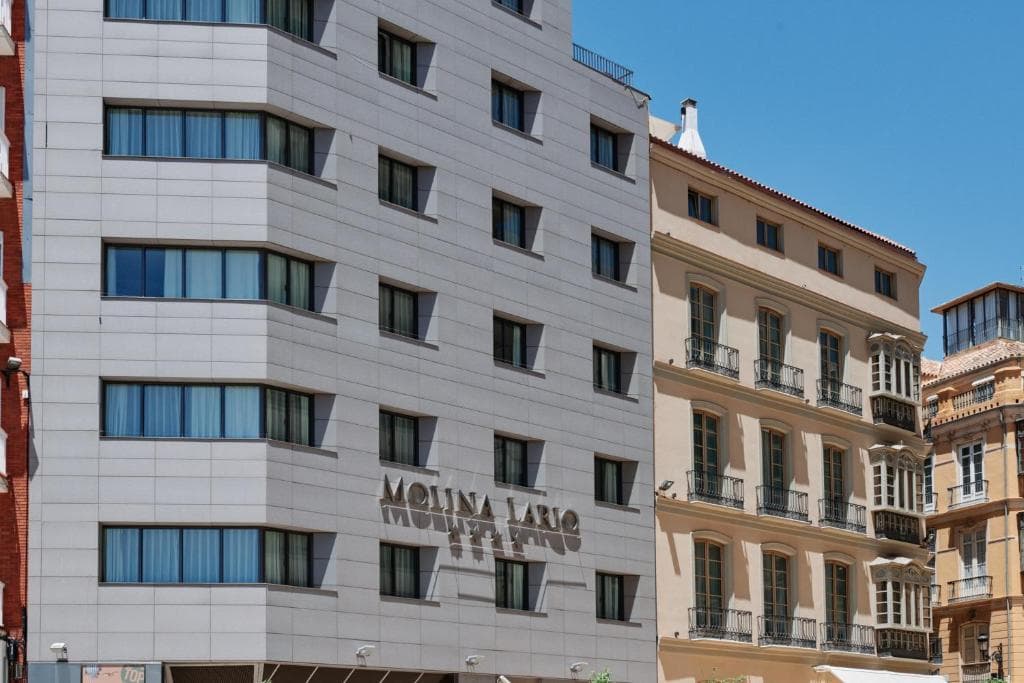
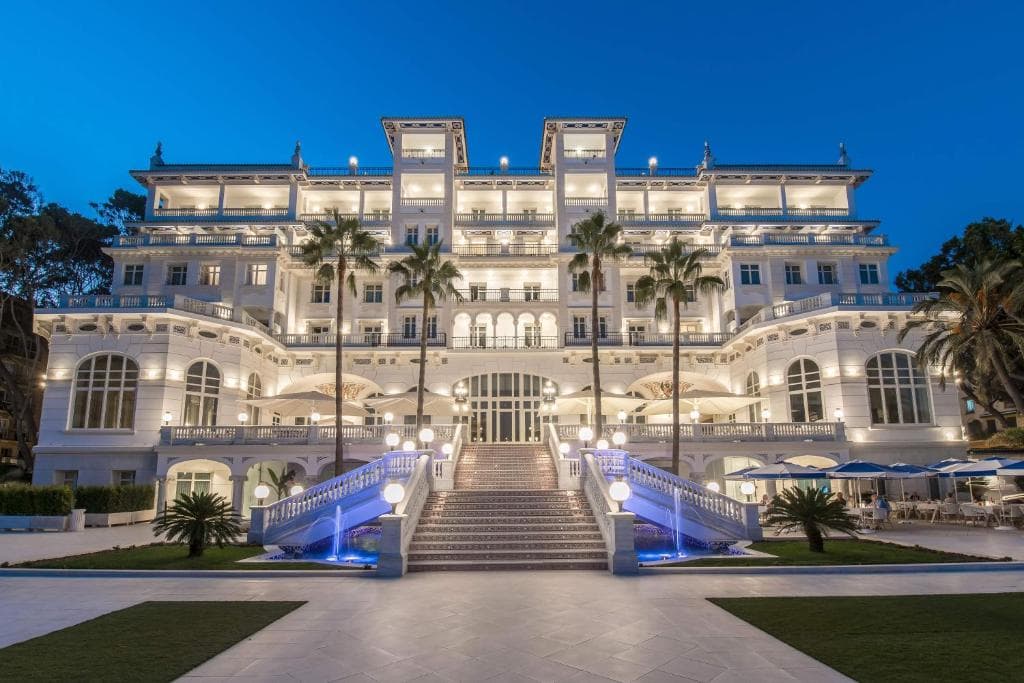
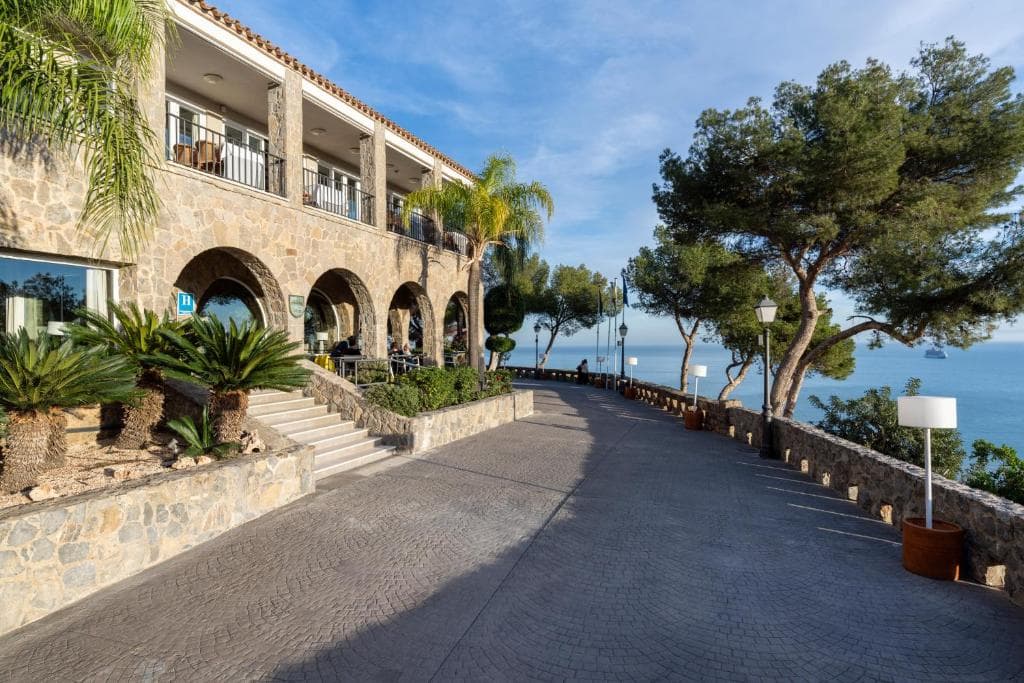
Where to stay in Málaga
Best Time to Visit
- Spring (March to May) and Autumn (September to November): These are by far the best times. The weather is pleasant, typically warm but not scorching, making it ideal for walking around town and hiking in El Torcal. The countryside is green and often dotted with wildflowers.
- Summer (June to August): Antequera can get very hot in summer, with temperatures often exceeding 35°C. If you visit then, plan your activities for early morning or late afternoon. Take a siesta during the hottest part of the day. Stay hydrated and seek shade. El Torcal can be particularly exposed.
- Winter (December to February): It can get chilly, especially in the mornings and evenings. El Torcal can be quite cold and windy, and occasionally even see a dusting of snow. However, the mild, sunny days are perfect for exploring without the crowds.
What to Wear
- Comfortable Shoes: This is non-negotiable. You'll be doing a lot of walking, often on cobbled streets and up hills to the Alcazaba. If you plan to visit El Torcal, sturdy walking shoes are essential.
- Layers: Even in spring or autumn, temperatures can change throughout the day. Bring a light jacket or cardigan, especially if you're visiting El Torcal where it can be windy.
- Sun Protection: A hat, sunglasses, and high-factor sun cream are important year-round, but especially in summer.
Getting Around Antequera Town
Antequera is a city that rewards walking. Most of the main sights in the old town are within walking distance of each other, though some climbs are steep.
- On Foot: This is the best way to experience the charm of the old streets.
- Local Bus: If you need to cover longer distances, like getting from the bus station to the Dolmens (which are a bit of a walk) or if you want to save your legs for the Alcazaba climb, there are local bus services. Ask at the bus station for routes and schedules.
- Taxi: Taxis are readily available and reasonably priced for short trips within the city.
Combining Sights
- Dolmens and Alcazaba/Old Town: These are easily combined in a single day. Start with the Dolmens in the morning, then head into town for the Alcazaba, followed by lunch and a wander through the old town.
- El Torcal: If you have a car, you can fit El Torcal into the same day. Many people visit El Torcal in the morning (before it gets too hot or crowded) and then head to Antequera for the afternoon. Or, do the town sights in the morning, have lunch, and then drive up to El Torcal for a late afternoon walk. Allow at least 2-3 hours for El Torcal, including travel time from Antequera and a walk.
- Lobo Park: If you're visiting El Torcal by car, Lobo Park is on the way or very close by. It can be combined, but it will make for a very full day.
Language
While many people in tourist-focused areas of the Costa del Sol speak some English, in Antequera, especially in smaller shops or family-run restaurants, you'll find less English spoken. A few basic Spanish phrases will go a long way and are always appreciated.
Opening Hours
Always double-check opening hours for specific attractions closer to your visit. Spanish opening times can sometimes be a bit fluid, and many places close for a few hours in the afternoon for siesta, especially smaller shops, typically from 2 PM to 5 PM. Major attractions usually stay open through the day.
Making the Most of Your Day: Sample Itinerary
Here's an idea of how you might structure your day trip to Antequera, assuming you have a car for maximum flexibility.
Morning (9:00 AM - 1:00 PM): History and Prehistory
- 9:00 AM: Arrive in Antequera. Head straight to the Dolmens of Menga and Viera. They're usually quieter first thing. Spend about 1.5 hours exploring these ancient sites.
- 10:30 AM: Drive a few minutes to El Romeral Dolmen. Spend about 45 minutes there.
- 11:30 AM: Drive into Antequera town. Park your car. Walk up to the Alcazaba and the Real Colegiata de Santa María la Mayor. Explore the fortress and the church, taking in the views. This will take about 1.5 hours.
Lunch (1:00 PM - 2:30 PM): Local Flavours
- 1:00 PM: Head down into the old town. Find a spot for lunch. Try Mesón Casa Diego or a similar local establishment for some authentic porra antequerana and other regional dishes.
Afternoon (2:30 PM - 6:00 PM): Nature or Town Wander
- Option A: El Torcal Nature (if you have a car): After lunch, drive up to El Torcal Natural Park (about 25 minutes). Do the Yellow Route walk, which takes around 2 hours. Enjoy the otherworldly landscape. This is a brilliant way to finish your day.
- Option B: Town Exploration: If you prefer to stay in town or don't have a car, spend the afternoon wandering Antequera's charming streets. Visit some of the other churches, browse the local shops, or relax in a café in Plaza de San Sebastián. You could also visit the Municipal Museum.
Late Afternoon/Evening (6:00 PM onwards): Head Home
- 6:00 PM: Start your journey back to Málaga. If you're driving, it's a straightforward trip. If you're taking the bus, make sure you know the last bus times.
This schedule gives you a comprehensive taste of Antequera's unique blend of history, culture, and natural beauty. It’s a day trip that offers a real contrast to the coast, leaving you with a deeper appreciation for the diverse landscapes and stories of Andalucía.